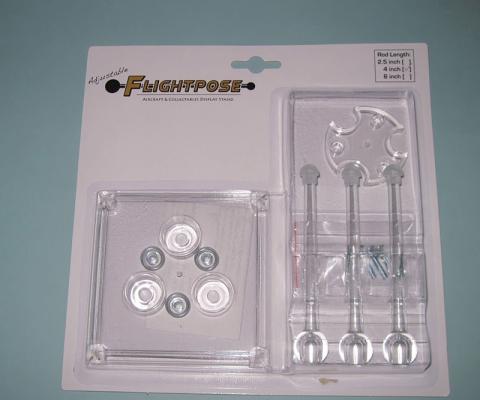
One of the long time problems modelers have had is what to do if they want to pose an aircraft in flight- after all, that's their natural habitat, in the air. Another problem we modelers have had is how to show off the underside of our exquisitely detailed airplanes or the like while they sit on their gear.
all 2011
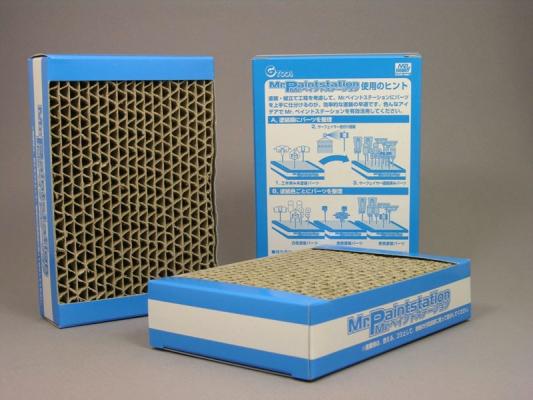
When I saw the review list and “Mr Paint Station” and “Gunze” I was thinking this could be cool. In reality it’s not exactly what the name implies. What Mr Paint Station is actually is a holding device for painting. What you get in cellophane bag are four 3” x 5” “boxes” that are built so that the corrugation is facing out. These open corrugations then allow you to place toothpicks or other thin holding clamps you may have, into them to hold parts while they dry or perhaps when you paint them.
The cellophane bag shows that Gunze may produce a set of holding sticks that are meant to insert into the corrugation, none are supplied in the Mr Paint Station package. Unfortunately I can’t read Japanese, so I don’t know what their actual product name is or how much they cost.
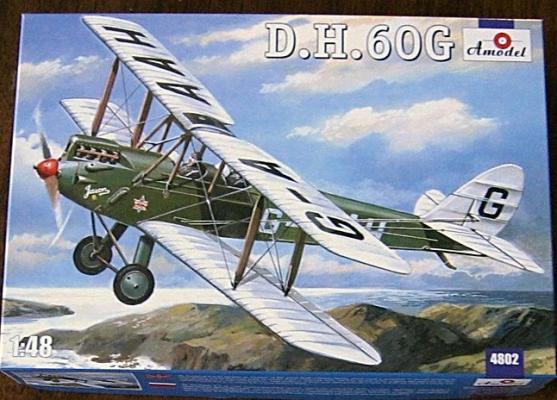
First of all, thanks to Amodel and IPMS/USA for the opportunity to build this kit. I received the kit from fellow IPMS Phoenix club member Brian Baker. It had been sent to him for review, but since he only builds 1/72 aircraft he offered it to me to build. The reason that he received it in the first place is that fact that the instructions state that the kit is 1/72 scale. However, the box and kit number indicate that it is indeed 1/48. Since I prefer 1/48 aircraft, I agreed to give it a go.
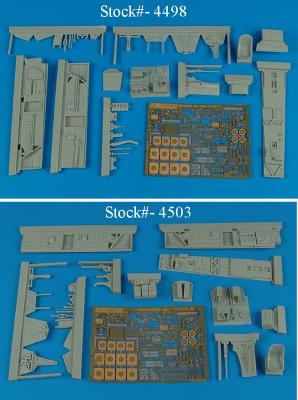
Editor's note: P/N 4498 = $35.50; P/N 4503 = $37.50
The Italeri (also boxed by Tamiya) Ar-196A-3/A-4 and Ar-196A-5 are beautiful kits. They have huge canopies though and the kit cockpit while nice really just screams out for more detail. Enter Aires. What they provide is nothing short of phenomenal. Comprising resin, photoetch and film pieces this set is comprehensive to say the least. While marketed as a cockpit set this set also includes parts for other parts of the model, such as the engine, gun cowling and pontoons. It really is a kit upgrade set not just a cockpit set.
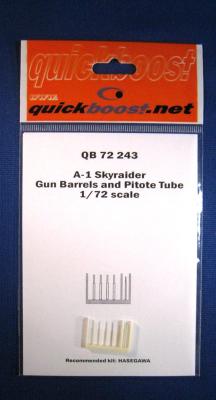
In going through all of my references on the Skyraider, I found pictures of at least three types of 20mm cannon barrels. I guess it’s another one of those cases where you have to have pictures of the exact aircraft you are modeling; to be sure you get it right. The castings are very well done, very sleek and very fragile. They are one-to-one replacements for the barrels on the Hasegawa kit. Just glue the wing halves together, snip off the kit barrels and drill a hole in the leading edge, and you’re ready to go. If you are depicting a step-down barrel, this is the way to go, because you just won’t find any thin walled tubing that will give you that nice of a step-down. The pitot tube is very thin and very fragile. And, of course, the quality of the casting of Quickboost detail parts is great.
My thanks to Aires for the review sample and to IPMS/USA for letting me do the review.
Cleanly cast in pinkish-tan styrene the kit consists of 16 pieces, including 2 sets of arms and 2 sets of legs, a base textured in wood grain and cobblestone, and an ornamental bat. The fit is fairly good, and the parts snap together firmly, leaving the arms free to move if desired. I glued everything solidly together for this review.
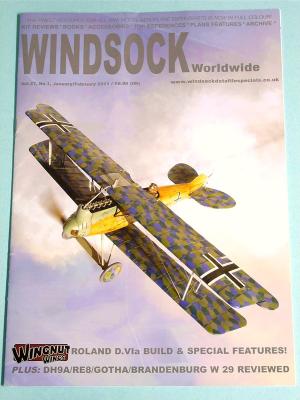
If you have a passion for WWI aircraft this is the magazine for you. In this installment Lance Krieg walks us thru scratch building wings in the Harry Woodman approach where the wing core is cut and shaped from either balsa or basswood or even plastic stock and is then covered with a plastic skin. The process is thoroughly covered in five pages with 42 photos showing wing fabrication as well as the aft flying surfaces. Variants to the Woodman approach are also considered and shown as well, very useful addition to one’s knowledge that may be of use later.
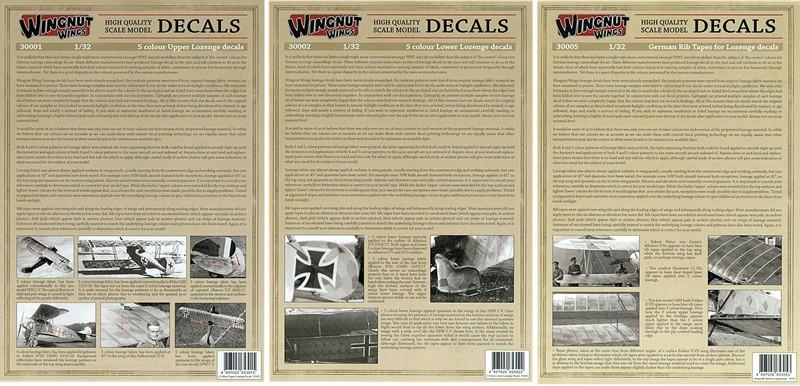
Editor's note: Sheet no.s 30001 and 30002 - $12.50 each; 30005 - $7.50
For those of us who love nothing better than trying to figure out where all of those flying wires go to and how to attach them, New Zealand’s Wingnut Wings has been a blessing and the best thing that has happened to our hobby in many years. 1/32ndscale is a fantastic scale for WWI aircraft, yet they don’t take up a lot of display room.
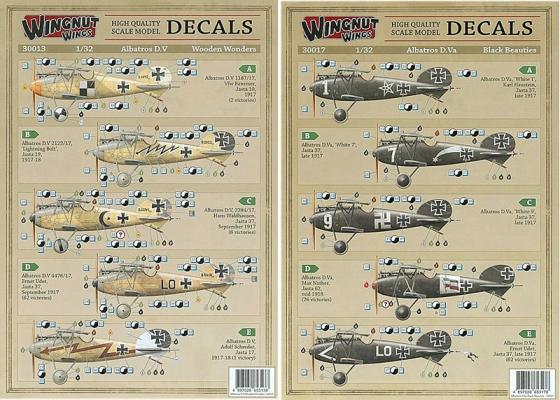
For those of us who love nothing better than trying to figure out where all of those flying wires go to and how to attach them, New Zealand’s Wingnut Wings has been a blessing and the best thing that has happened to our hobby in many years. 1/32ndscale is a fantastic scale for WWI aircraft, yet they don’t take up a lot of display room. The quality of the Wingnut Wings’ releases is still hard to digest, especially at their very reasonable price and free shipping, to boot. To complement their fantastic kits, they have now started releasing some equally stunning decals, all of which are printed in Italy by Cartograf. The registry is without fault; they are thin, and Wingnut Wings even recommends that a hair dryer be used to get their decals to conform to the model’s surface, instead of setting solutions. Amazingly, it works. Why, I don’t know, but there’s no cleanup afterwards.
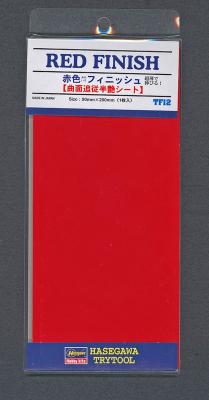
Most model builders think of useful small hobby tools when they hear someone say TRITOOL. However, this TRITOOL item is a fundamental building material for use in scratch building, customizing or finishing models. It is a unique self-adhesive sheet of thin pre-finished foil (film) that is intended to replicate red finishes on aircraft or other models (other primary colors are available, such as white, black, yellow, orange, blue, etc.). The package contains one 90mm x 200mm sheet of material that has a red semi-gloss finish. It appears to be the correct color for reproducing a Japanese Hinomaru.
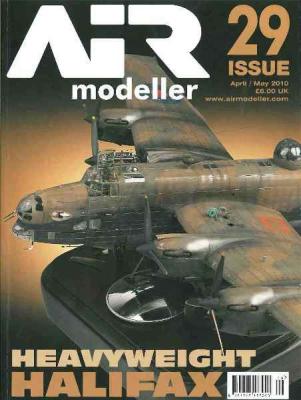
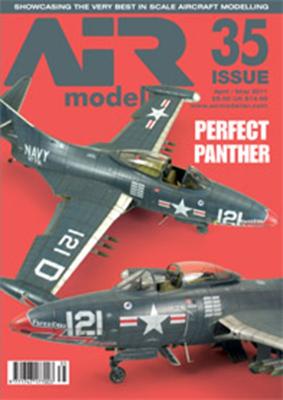
This publication is edited in the UK and is dedicated to airplane models, as the title implies. It is 65 pages and printed in full color. There are 65 pages in an issue, this one in particular having 6 pages devoted to product reviews and the remaining 59 dedicated to the 7 outstanding models featured in the issue. It is printed on high quality heavy weight paper with a glossy finish. The cover is on heavier bond paper and should hold up well with repeated viewing.
This issue features the following builds:
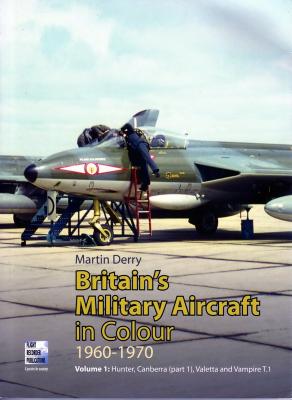
I have always been interested in aircraft colors and markings. My library is full of books from Karl Ries, Monogram, Ducimus, Harleford and many others. I had expected this book to be a similar tome devoted to three view drawings, color call-outs and marking drawings. The authors would provide the data and then choose a photo to illustrate their information.
This book is different. It is a collection of very interesting photos, most from the Newark Air Museum. The Photos illustrate a great variety of color and markings of the four covered aircraft, during the target timeframe. Aircraft that are covered include the Hunter, the Canberra (part 1), the Valetta and the Vampire T.11. All of the photos appear to have been taken in the UK and the aircraft are primarily RAF aircraft.
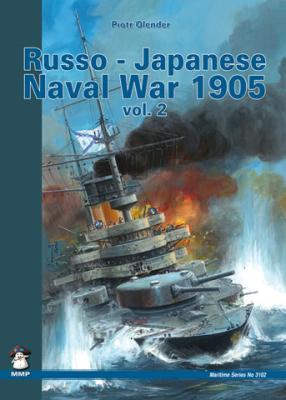
My thanks to Roger Wallsgrove, Editor-in-Chief of Mushroom Model Publications, who provided this review sample. I have had the pleasure of meeting him and his team at Nationals.
Contents
- Cover Article…"The Perfect Panther”" – F9F-2 by Zdenek Sebesta on the Trumpeter 1/48th scale kit.
- Hurricane MK1(early) – Pacific Miniatures kit by Jamie Haggo
- The Martin Baltimore Special Hobbys 1/72nd kit by Andrea Vignocchi
- Photo Gallery of the Baltimore by David Doyle
- Hellenic Air Force T-2 Buckeye (2Bobs 1/48th kit) by Periklis Salessiotis
- Bell P-39 Airacobra (MPar 1/32nd) by Daniel Zamarbide
- Air Born…A listing of New Releases
- SM79 “Sparviero” (Classic Airframes 1/48th) by Jean Barby
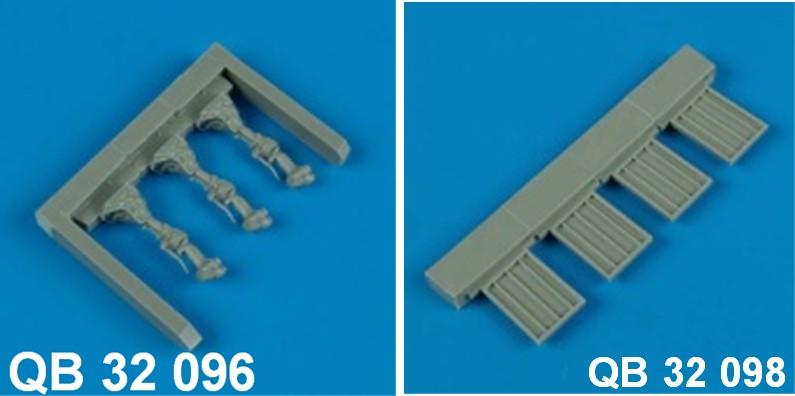
Quickboost just added another fine addition to their list of after market parts. This time they have done the much needed and awaited correction to the Hasegawa B-24 Liberator, the front undercarriage doors. It is up to their usual standards; molded in a cream colored resin, smooth, seamless and bubble free. One thing of note is that they are really easy to remove from the mold block because of a nice perforation. It only takes a couple of minutes with a saw blade and a gentle touch to remove them. Just make sure not to get too over zealous or the part may snap.
The cockpit set comes in four cream colored pieces – tub, seat, stick and panel/coaming. The parts are nicely detailed and well-cast, if only a tad rough on the surface. The texture was not an issue with parts this small and I did nothing special to prepare the parts for painting, including skipping the washing stage often recommended. The parts were prepared simply by cutting them from their casting blocks.
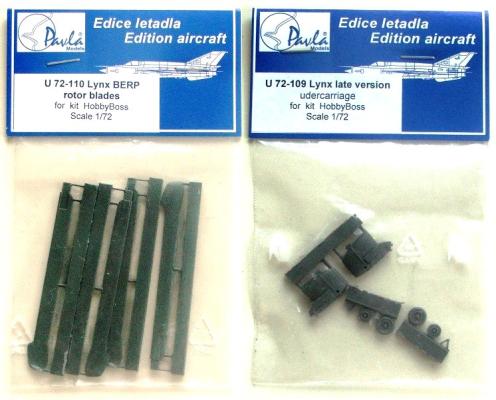
Editor's note: P/N U72-110 = $7.50; P/N U72-109 = $5.50
It was with great anticipation that I awaited the release of the Hobbyboss 1/72 Westland Lynx HAS.3. When it hit the street, I was not surprised to learn that it was a nice kit with some curious accuracy issues as this seems to be typical for this manufacturer. Pavla has addressed two of the major hiccups with these two resin sets and I jumped at the chance to incorporate them in my build for this review.
The first shortcoming addressed by the two sets reviewed here is the lack of BERP rotor blades applicable to this variant. The kit includes the older straight style on a separate sprue just for the rotor blades and this is particularly frustrating as other boxings of this kit have the correct BERP rotor blades – a simple mix up that should have been easily avoided. The second issue addressed in this review is more of a design flaw as the shape of the sponsons is inaccurate and simplified.
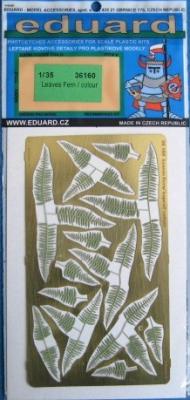
When this package arrived I pulled it out of its mailing pouch, and if I didn’t recognize the Eduard Logo and packaging, I would have thought that someone had sent me real tiny leaves. That’s how realistic these fern leaves looked. They are already colored green and the color is perfect. It is colored on both sides, which makes assembly easy due to not having to worry about the wrong side showing because of it not being painted. They are very thin which also make them very fragile but can be easily bent to conform to any angle or shape you may need. Even though Eduard has decided that these ferns are 1/35 scale, they can be used for just about any scale within reason. The only drawback is that there is no picture of any kind, which shows how they should be “planted” or anchored to a “branch”. I guess we’ll have to figure it out on our own; which really isn’t that difficult.
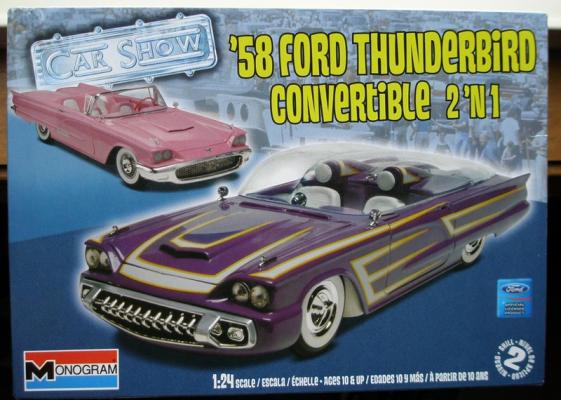
Monogram’s venerable ’58 Thunderbird kit---first released in 1964---has been updated and re-packaged under the “Car Show” banner, meaning it can be built stock or with extra customizing parts in the kit---including a double-bubble clear top of really heroic proportions. Moilded in white plastic, the kit has just a couple of fit issues, but is generally an easy build, and despite its age, can hold its own with today’s releases.
Since I grew up “back in the day” with these classic cars, I opted to build the kit stock. I had some questions with the instructions’ colors for the engine components, so eventually consulted a website for “Squarebird” enthusiasts (www.tbirdranch.com) and though there was a bit of conflicting info there too, I decided to paint mine per the website’s Concours table for ’58 Thunderbirds---Ford light engine blue block with black valve covers. (Great site, by the way.)
I would like to express my sincere thanks to Minicraft Model Kits for providing this kit to IPMS/USA and to them for allowing me to review it.
In the mid-1930s United Airlines decided they needed a larger plane than the DC-3s they were using. They contacted Douglas Aircraft to develop such a plane. Douglas designed and built a large aircraft they called the DC-4E (E for experimental). It flew for the first time on June 7, 1938. More than twice the size of the DC-3 (138 ft. wingspan and 97 ft. long) the cabin had a wide pressurized cross-section, a tricycle landing gear, and triple vertical stabilizers similar to the Lockheed Constellation. With its four Wright R-1820 engines developing 1450 hp each, it could potentially fly nonstop from Chicago to San Francisco.
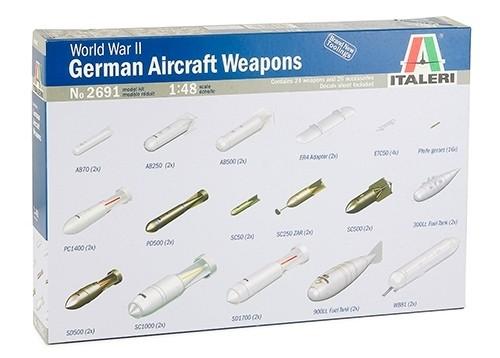
Ever have to rob a perfectly good kit for just the bombs? I have and I regretted it later when I either wanted to build it or sell it. Italeri has a solution to this problem, bombs and lots of them. The latest release contains two identical sprues of 53 parts each and the decals that go with them. You can build AB70, AB-250, AB500, the ER-4 Bomb rack, ETC 50 bomb rack, PC1400, PD500, SC50, SC250 with Dinort fusing, SC500, SD250, SC1000, SD1700, Pfeife Geraete, 300 and 900 liter Fuel Tanks and WB81 gun pods from the kit. That is a lot of ordnance. There are multiple aircraft that can be armed with this set. Included in the instructions are the load out plans for various aircraft such as the Ju-88, He-111, Ju-87, Hs-129, FW-190, and Me-262. As an example, you can use the bombs and gun pod on Italeri Stuka.
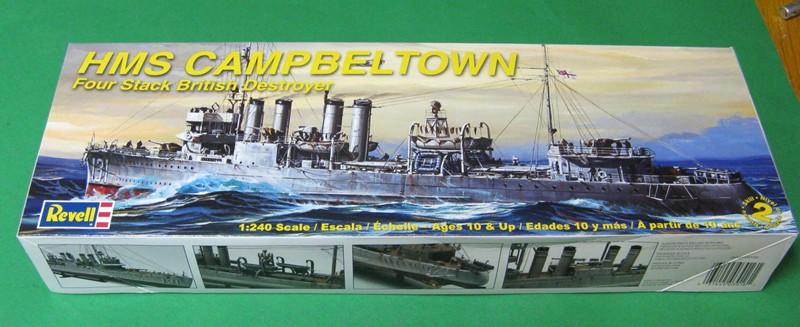
HMS Campbeltown was originally the Wickes-class destroyer USS Buchanan, DD-131. She was commissioned in 1919 and transferred to the UK as part of the “Destroyers for Bases” deal between the US and Britain in 1940. In exchange for 50 aging “four-piper” destroyers like the Buchanan/Campbeltown (obsolete for fleet duties, but still useful as convoy escorts) for the Royal and Royal Canadian navies, the US got basing rights in the Caribbean and Newfoundland.
HMS Campbeltown is one of the most well-known of the traded ships, as she was famously expended as a floating bomb in the “Operation Chariot” raid by British commandos on the St. Nazaire docks in March of 1942. The purpose of the raid – and it succeeded – was to deny the use of the St. Nazaire dry dock to heavy German units such as the battleship Tirpitz.
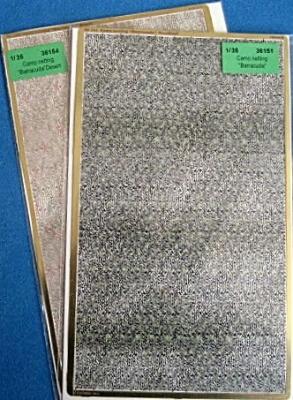
As with all Eduard products, you can expect the detail to be excellent, and these nettings are no exception. The netting is so fine and true to scale and the colors used for the camouflage is perfect. The “Woodland” net is a mixed dark and light color which matches the foliage perfectly. The “Desert” net is of course lighter, but it has both a dark and light sand color which imitates the desert’s coloring perfectly. The size is big enough (5 ¼ x 9 ¼ in) to cover small munitions models and medium size tanks, but for large models, it might fall a little short. The “netting” is a little stiff (after all it is metal) so don’t expect it to just fall on the model and contour itself on its own. Rolling it shouldn’t be a problem but folding it might need something round at the fold to prevent it from creasing and after the fold is complete then the round object could be removed. It would have to be given some thought and planning ahead of time as to where and how it should be placed.
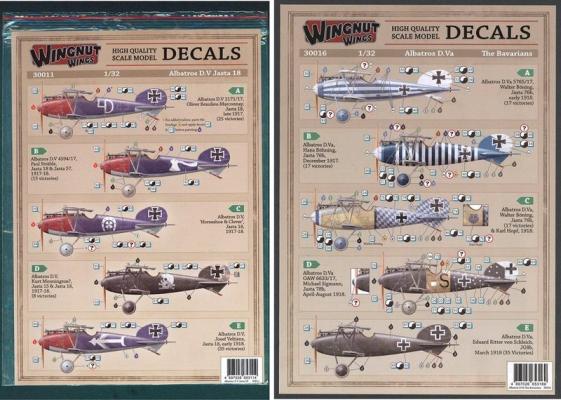
Wingnut Wings is now offering decal sheets for markings that go far beyond those included in their growing line of WW I aircraft kits. The decals are packaged in zip-lock sleeves along with a comprehensive full color 4-page instruction booklet that includes application instructions, aircraft profiles, top and bottom wing plan views, historical information and period photos of each of the aircraft covered by the decal sheets. These sets exhibit the same high level of quality as do all of the kits marketed by Wingnut Wings.
Set 30011 provides markings for five Albatros D.V fighters from Jasta 18. Some of them require upper and under wing lozenge patterns (and rib tape) that Wingnut Wings sells separately.
The markings are for:
A) Albatros D.V 2117/17 flown by Oliver Beaulieu-Marconnay, Jasta 18 in late 1917 (who was credited with 25 victories)
B) Albatros D.V 4594/17 flown by Paul Strähle, Jasta 18 from 1917-1918 (credited with 15 victories)
Short History
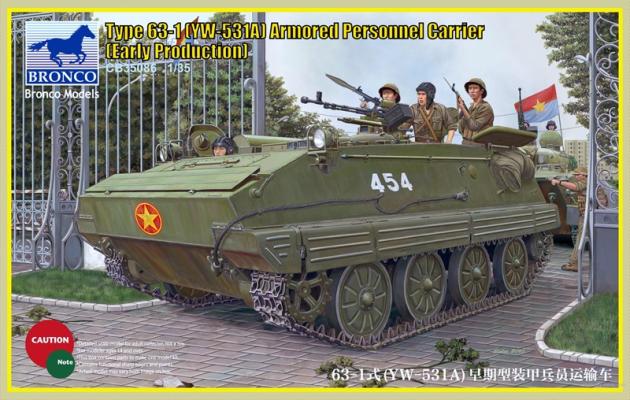
The YW-531a was the first APC manufactured by Norinco for the PLA. It was designed in the early 1960’s and first appeared in 1964. It can carry a crew of 4 to 10 troops. The YW-531 was first used in the Vietnam War by the North Vietnamese Army (PAVN) and was in action again in the Iran-Iraq War.
APCs are usually armed with only a machine gun although variants carry recoilless rifles, anti-tank guided missiles (ATGMs), or mortars. They are not usually designed to take part in a direct-fire battle, but to carry troops to the battlefield safe from shrapnel and ambush. Amor on APCs is usually composed of simple steel or aluminum, sufficient for protection against small fire arms and most shell fragments. Just about any type of anti-tank weapon can defeat the armor of an APC. Some APCs also come with NBC protection, which would protect its crew from radioactive fallout or the like.
Short History
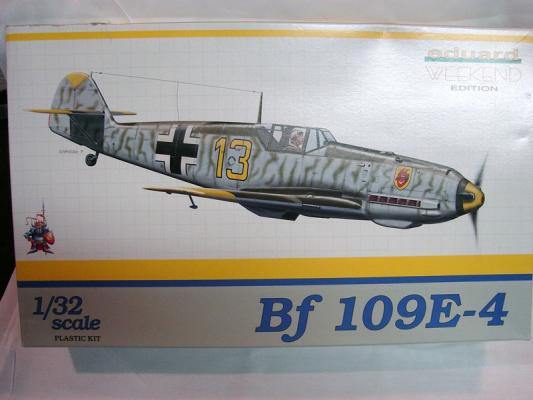
The Bf 109E-4 was an upgrade from the earlier E-1 and the E-3. Units in the Western Europe Theater requested more firepower, so developers added two MG-FF/M cannons in the wings. The new guns were able to fire explosive rounds, along with two large caliber MG 17 machine guns; this gave the aircraft a significantly increased amount of firepower.
The Kit
When I opened the box, each of the 6 spurs totaling 165 parts and 1 transparency with 9 parts were individually wrapped along with 2 decal sheets. This is the basic 1/32 kit, so no mask or PE. But you can find Aftermarket Accessories (PE and resin) for the kit with a little searching on the internet.
Each spur was clean with very little flash. The first thing I noticed was the control surfaces; the simulated fabric areas look nice. The kit has lots of details; the engraved areas are cleanly made. I don’t see any ejection/sink marks that interfere with visible surfaces.
Format
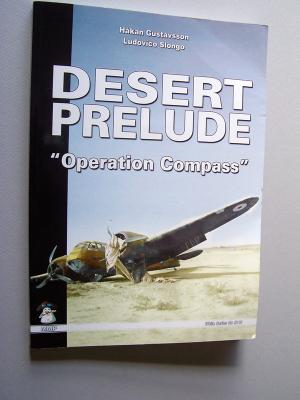
This paperback publication contains 196 8.25” x 11.75” pages, and includes more than 120 black and white photos, scale plans, maps and several color profiles. This is the second volume in this series that addresses the war in North Africa from December 9, 1940 - February 7, 1941 before the Germans became involved to save their Italian allies. I personally have always been interested in the North African combat theater, especially the Afrika Korps, but this publications offer some insight into the battles before the DAK became involved.
Contents
There are numerous photographs of aircraft, mostly Italian, and the pilots, again mostly Italian. There are several color profiles of Italian aircraft and two maps of the area at the back of the publication.
Format
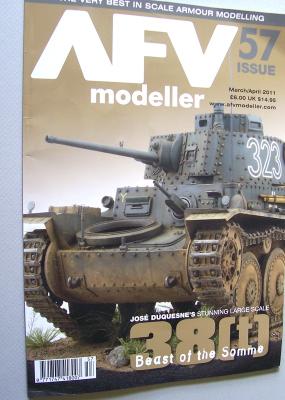
The cover for this issue has a stunning image of Jose‘ Dusquesne‘s Pz. Kpfw. 38 (t). The publication is printed on medium-weight glossy paper, with color images on every page. In some article there are several images numbered and keyed to the text. This issue contain 64 pages.
Contents
The first article is by James Bond, and features The ICM kit of the Russian B-35, “Land Battleship”. The author put a great deal of effort into this model, and several in-progress images are included. The Fruil tracks used in this build were 24” long, and when wound about the suspension should be a model over 10” long. A land battleship for sure. Informative building techniques offered to the reader.
The Detail Parts
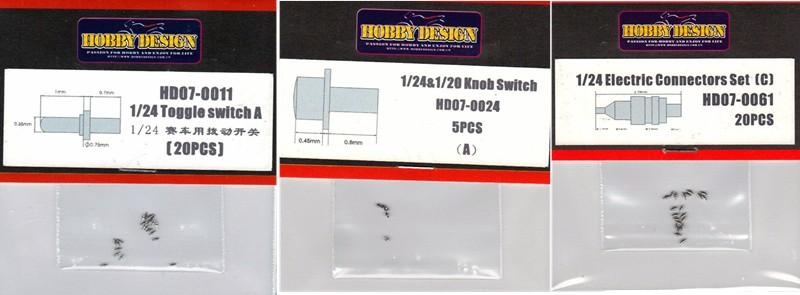
Hobby Design offers the modeler a wide range of detail products, tools, masking materials and decals for a wide variety of modeling subjects. The three items discussed in this review are compatible with 1/20th, 1/24th, and 1/25thautomotive subjects.
Each of these three items are contained in a small plastic baggie that is, itself, protected with a larger plastic baggie sealed with a cardboard fold-over flap. The double wrapping secures the individual pieces nicely and protects against accidental loss since both bags must be opened to remove the contents. This extra security will certainly be appreciated by the modeler and makes storage of the items much easier.
The Toggle Switch baggie contains 20 pieces, as does the baggie for the Electric Connectors. The baggie containing the Knob Switches contains 5 pieces.
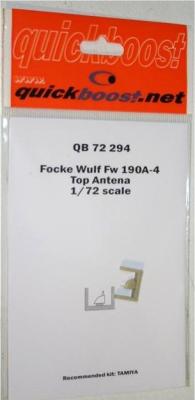
Quickboost added the top antenna for the tail of the FW 190A-4 to their line of resin aircraft accessories. This latest addition is molded in a cream colored resin, smooth, seamless and bubble free. One thing of note is that they are easy to remove from the mold block taking only a couple of minutes with a saw blade to remove them.
The package states that it is for the Tamiya kit but should work with any kit that you want to covert past an A-3 model. From what I’ve researched about the Tamiya kit, the 1/48thkit comes with the option to do the A-3 or A-4 but the 1/72 only comes as an A-3. Once again Quickboost comes to the rescue to let the 1/72ndmodeler have the same options. All that is needed is to cut along the seam line of the A-3 antenna and glue the A-4 antenna in place.
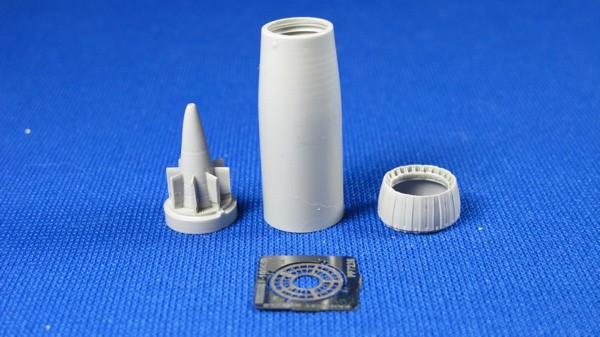
Aires continues to produce some very finely detailed resin parts that upgrade the accuracy of model manufacturer’s releases. The Aires Hobby Models F-100C/D exhaust nozzle for the Trumpeter 1/72 F-100 is no exception. It is molded at the correct length, and comes with a very nice turbine complete with fins and a photo etch flame holder, plus a really nice ribbed burner can and exhaust. The interior of the burner can has only one barely perceptive seam on the inside, but I can certainly deal with it being there. When compared with the short, two pieces can from the kit, it’s a no brainer. I’m still trying to clean up the seams in the 1/8thinch space between the internal ridges. And there are no nasty ejector pin marks to clean up, either. I don’t know how Aires made the mold, but I’m happy with it. The kit burner can has two locator rings molded to it and corresponding grooves on each of the fuselage halves, which lock and align the can in place.
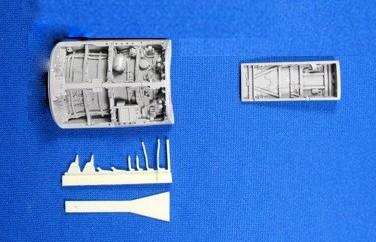
The Academy 1/32ndscale F-16I Sufa is a very nicely done kit, with lots of detail and lots of extra bits and pieces. But, Aires isn’t satisfied with good detail, they want great detail. And, that’s what they have done with this wheel well detail set. There are four resin cast pieces to the set, along with four pieces of copper wire to use for various hoses that would be virtually impossible to cast. Although, I’m sure they tried to figure out a way to do it. The main wheel well has so much detail molded in the one piece of resin, that I am still scratching my head on how they made the mold, with all of the undercuts that are present in the casting. What Academy takes seven separate molded parts to do, Aires has done in one. All of the hydraulic lines are there, as are the pumps, wires and junction boxes. There is a casting plug on it that’s a big as the gear well itself that has to be removed, but that’s it.
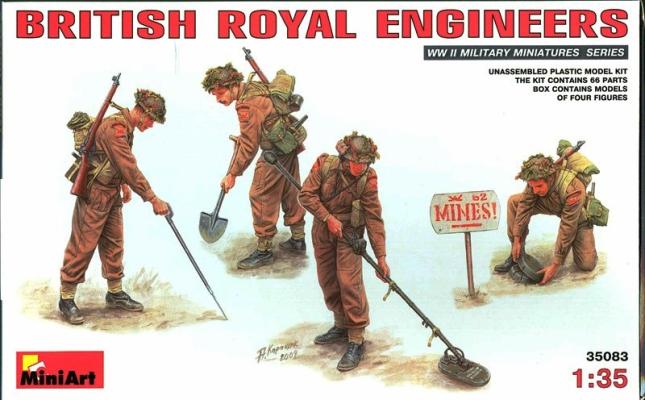
This set consists of 4 figures all conducting land mine removal.
The figures come on two sprues with 67 parts, the bulk of which are the odds and ends that the soldiers are carrying. The box art and instructions on the back of the box show the figures as completed. The first figure is using a probe to find mines, the second is digging with a spade, the third is removing (or placing) a mine, and the fourth is using a mine detector. The poses are well done and depict a reasonable amount of action.
The set had very minimal flash and no ejection pin marks. What mold lines that were there were easily removed with a sharp blade. There are no decals and the painting instructions are just for the major items. You will need to copy what you see in the illustration or consult your references for actual colors for the badges, shoulder boards, and metals. The paint colors are coded for Vallejo, Testors, Tamiya, Humbrol, Revell, and Mr. Color.
I received this conversion set with great anticipation and look forward to installing it on my latest venture.
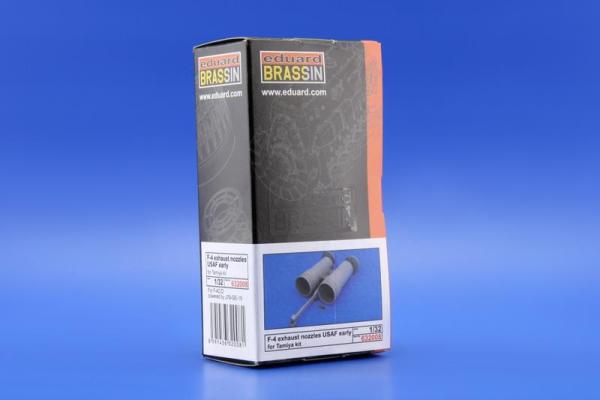
I have built quite a few Tamiya, 1/32nd Phantom kits, since its debut. (a total of 77 to be exact.) I know this guy’s lying, but it's true. I used to build for a decal manufacturer that had over 100 decal sets for the F-4 and he wanted a model built for every one of them, all in 1/32nd. Well, he is out of business, so now I build for myself). I have used just about every aftermarket product out there for the F-4 and I'm always looking for something new. Eduard has come aboard with a very nice Exhaust Nozzle set.
Opening the package revealed some nice protective foam and each assembly was in its own plastic bag. No damage or lost parts. You get direct replacement parts for two engine intakes, discharges, tubes and nozzles. Also included is a new arresting hook. All the parts are of a very high quality resin casting and photo etch.
Aires has an obvious love affair with the Ar-196 from Italeri. They offered up no less than two cockpits in their own range. In their Quickboost range they have a corrected cowling, exhausts and weapons. Now the only thing missing from those sets is addressed, the wheels.
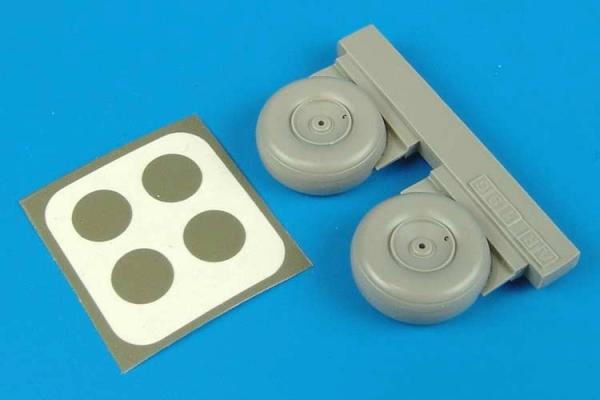
Aires provides two main wheels with perfect circumferential tread. They are cast in light grey resin with no bubbles. They are suitably bulged but not overly flat. There isn’t much more to say about the wheels themselves as they are just perfect.
Aires also includes a set of masks which will prove useful in the painting process. There are four masks for both sides of each wheel.
Adding the wheels is as simple as substituting the kit wheels with the resin ones. Simple, easy to use and perfect in their execution. You can’t ask for more from an aftermarket set.
Highly recommended
Thanks to Aires and IPMS/USA for the review copy.
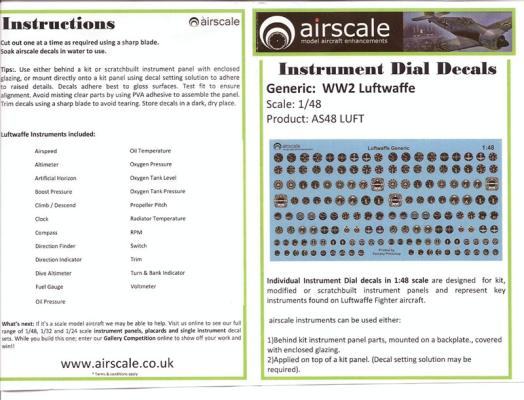
Ever since the days of Waldron Instrument Bezels I’ve wanted to be able to build instrument panels like I saw the pros do. The biggest thing preventing me was the lack of instrument decals. Well those days are over. Airscale has now released a sheet of Luftwaffe instruments designed specifically for fighters. You get a small sheet of approximately 1”x 2” which contains enough instruments to do a couple of instrument panels.
Printed by Fantasy Printshop, every instrument is accurately reproduced with some exquisitely fine range markings and numbers. Airscale recommends cutting out the instruments. I think you can use your Waldron Punch and Die set as well if you are careful.
Also included in the set is a piece of clear acetate to help you replicate the instrument faces on your scratch built panel. You’ll need a punch set to punch out the acetate sheet as there is no ‘cutouts’ for the instruments.
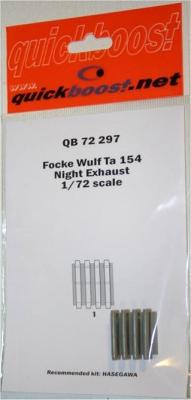
Quickboost just keeps adding to their line of resin aircraft accessories. The latest addition is for the Hasegawa Ta 154. It is up to their usual standards; molded in grey resin, smooth, seamless and bubble free. One thing of note is that they are really easy to remove from the mold block because of a nice perforation. It only took me a couple of minutes with my saw blade to remove them.
The night exhausts that come in the Hasegawa kit look alright and would make an acceptable model, but the kit parts are 2 pieces, so they have a seam that will need to be fixed. The Quickboost replacements are one-piece, and just look a lot better when along side the kit parts. They are very easy to install, and they just fit right in.
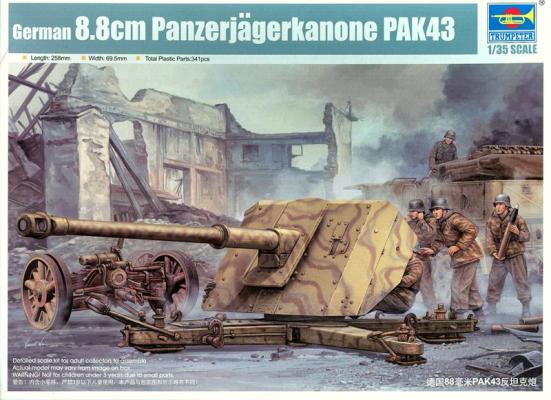
Thanks first go to Dragon USA for providing us this excellent new release; Can’t say enough as to how generous our suppliers are who provide these kits, which we at IPMS sincerely appreciate!
Sprues
- A – This sprue contains the barrel, shield, and gun cradle
- B – This sprue contains the ammo and ammo crates
- C x 2 – Tires
- E – This spure contains the tubular ammo cases
- G – This sprue contains parts for the gun, shield, gun cradle and a lot of unused parts from Kit 35045
- H x 2 – This has the wheel and hand wheels
- N – This has the trails and associated bits
- P – Photo Etched parts
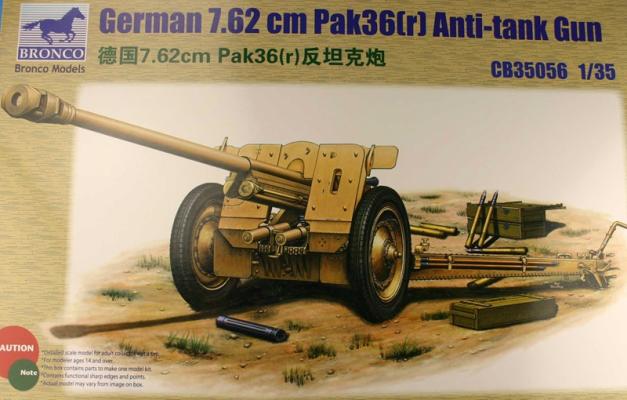
This kit is a representation of the rebuild of a captured Soviet Divisional Gun. The anti-tank performance of the F-22 divisional gun was inferior to the 7.5cm PaK40. However, the Germans had captured over 500 of these guns and made use of them.
Layout of the Sprues:
- Sprue A - Cruciform base and extension legs
- Sprue A4 – Cruciform base top
- Sprue B – Parts for Travel carriages and bits for Cruciform base
- Sprue C x 2 – Parts for Travel carriages and bits for Cruciform base
- Sprue D – Shield and base parts of the Gun
- Sprue E – Plastic barrel and small parts of the gun
- Sprue WA – Shells and shell casings
- Photo Etch A – Shield
- Photo Etch B – More shield parts and ready round box
- Photo Etch C – Shell base
- Other Parts – Metal Barrel, metal tube, Rubber tires
Steps 1, 2, & 3 – Building of the Cruciform base
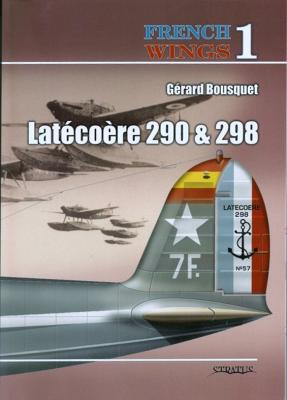
This book is the first of a series on French aircraft, and follows the excellent format developed by this publisher’s Polish Wings series of books on Polish aircraft. Since Azur produces kit of the Latecoere 298 in both 1/72 and 1/48 scales, this book will serve as a good reference for these aircraft. An 8 ½ x 11” paperback consisting of 80 pages, this book tells the development and service history of the two major French Navy torpedo bombers of the 1930’s. Strangely, the Latecoere 298 is covered before its predecessor, the 290 is described, and to get things into perspective, I began reading about the earlier type, then progressing to its replacement at the beginning of the text, as I wanted to read the story in sequence.
The Book
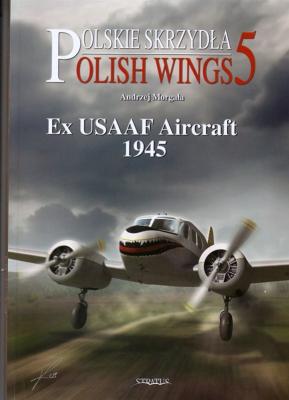
It is refreshing to see a publication written on a topic that has never been treated in an historical context before, and this book certainly fits that description. After World War II, the United States Army Air Forces had thousands of airplanes in its custody throughout Western Europe, and while many were scrapped on the spot, or in the case of heavy bombers, flown back to the US, some were disposed of a surplus to various buyers.
Hardback, 128 Pages, 8 ½ x 11”, Plus 8 16” x 23” poster sized double sides sheets showing profile drawings in 1/48 and 1/72 scale in separate packet, labeled “not to be sold separately”
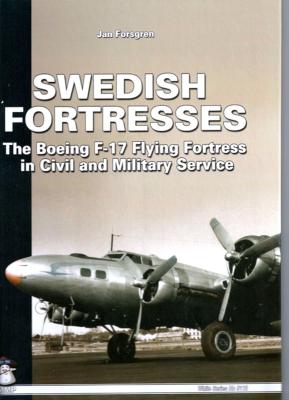
This book answers a couple of often asked questions (1) what happened to the battled damaged USAAF B-17’s and crews that diverted to Sweden rather than accepting the hospitality of the Luftwaffe?, and (2) how were these planes acquired by the Swedes and used after the war? This is a fascinating story that answers a lot of questions, but still leaves a few open, such as “Why did the Swedes use B-17’s when the B-24 and C-87’s would have been a better choice for their purposes?”
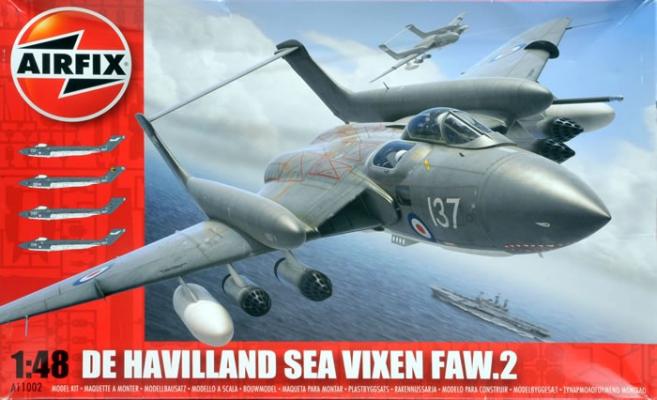
Oh boy- is this great!!! (Stolen from a famous movie.) I have been waiting patiently since Airfix announced the first 1/48 scale styrene kit of the Sea Vixen and the kit delivers in spades. A quick background shows that the De Havilland Sea Vixen entered service in 1959 and served until the 1970's. It was the first British fighter to be designed without guns relying solely on its missiles.
On to the kit- the basics show very crisp molding with engraved panel lines and are molded in light gray styrene. There are three large sprues in total. A very nice clear sprue rounds out the plastic and has the canopies and windscreens as well as the seeker heads, HUD glass, etc. One thing that hits you right off is the instruction manual: detailed and with 20 pages of instructions and 2 pages of common decals. The last thing is an enormous Cartograf decal sheet with tons of stencils (well over 120) and markings for four different planes:
The usual thanks go to Aires for providing IPMS USA with yet another great review item.
A very simple upgrade to the Hobbyboss Mig 17 kit series; you’ll have to remove the inner details from the kit wings, glue the bay in place on the lower wing interior, and they are done. As to the nose: replace the nose intake splitter/wheel well with the resin item. Nose and main gear doors are also included.
It’s worth the cash and time for these parts. Simple modeling skills required; the improvement is seen when the Aires parts are held up next to the kit items.
This is a great time to be in the hobby, and Aires had obviously decided they are going to continue to compete for our hard earned paychecks. With sets like this, they are succeeding… well done Aires!
I received the bypass doors and Control levers from Quickboost via the IPMS lottery for use in my MIG 23 build. THANKS QUICKBOOST for providing us these items for review. We at IPMS USA appreciate your continued support!
I started this review with the Quickboost bypass doors; Install the doors in the outer intake duct. All that is required is to remove the mounting lip on the intake, and carefully install them in a partially-open position. Nicely done Quickboost!
The control stick is a work of art; three are provided. The three-button stick with the Autopilot “off” paddle is extremely well detailed, and a great improvement over the kit item which doesn’t really look like it should.
Final verdict: an excellent effort from Quickboost!
Description
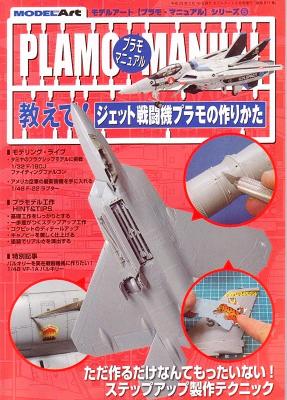
I have reviewed a couple of ModelArt magazines with their impressive variety of subjects and techniques in each issue. The “Plamo Manual” focuses on one subject theme and describes how to build each subject in detail. From ModelArt’s English web site they describe a Plamo Manual as “Plamo Manual is the key handbook for those who have wanted to perfectly build in cars, aircrafts and naval vessels. Moreover, it even elucidates how to use airbrushes for painting. Plamo Manual is a helpful and necessary guide for all modelers.” This issue focuses on modern jet fighter aircraft. The production quality of this “manual” is exceptional. The 112 pages are high quality and weight paper stock, all color and with superb photos. There are a few general and advertiser pages, but for the most part the “manual” is packed with content. Some other Plamo Manuals focused on Ship, AFV, aircraft carriers, painting models and WWII aircraft.
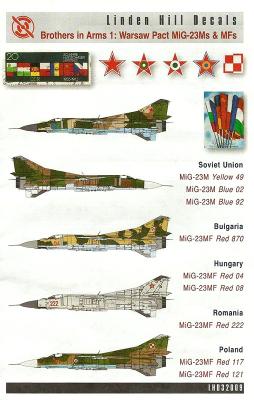
For the IPMS build involving various aftermarket parts for the Trumpeter Mig 23, I did not want to do the kit decal markings for the “M”. Therefore, I ordered the Linden Hill Warsaw Pact decal from Linden Hill imports. I told Guy at LHI I was doing the review and he threw in the second sheet (32012) for the ML, MLP, LMA, etc., as flown in Afghanistan and other places. Those will be used in a separate review later. Extreme thanks to Guy at LHI for providing us these items for review. We at IPMS USA appreciate the serious, undying support of distributors like you!
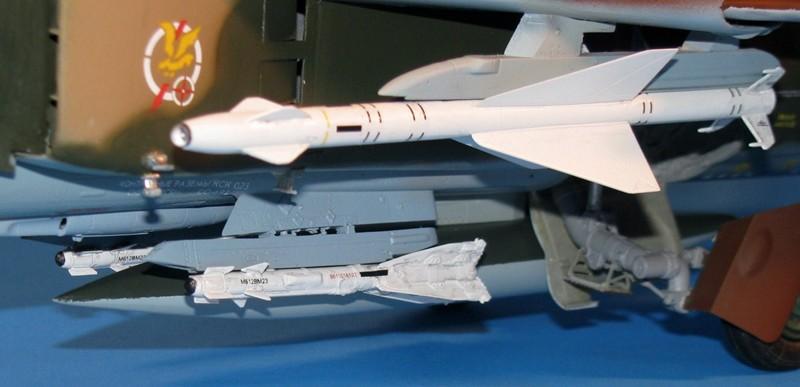
This build was a perfect storm; From IPMS I received the Mig 23 review items for Zactomodels Mig 23 pylon set, and the seriously improved Intake ramp. I contacted Chris of ZACTOMODEL fame to order missile rails and Aphids; and he sent them on for review. Let’s say it up front: THANKS CHRIS (aka “Zactoman”,) for the cool modeling support items, and providing us these for review. We at IPMS USA appreciate the serious, undying support of distributors like you!
First order of business once I learned of my fate in doing aftermarket for a kit I wanted but did not have: I had to buy a Trumpeter Mig 23M. OW! (But it was worth it)
Editor's note: No product packaging images were provided.
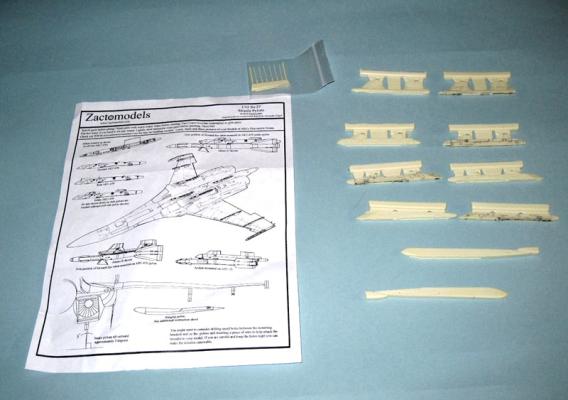
Chris "Zactoman" Wilson provides another much needed update for the 1/32 Trumpeter Su-27 with the release of a full weapons pylon set - ten [weapons] in all. In the set, you get replacement for the both wing tip pylons, 2 APU-73 pylons, four AKU-470 pylons with separate actuator rods, and two APU-470 pylons. The difference with between these pylons and the kits is phenomenal. All have the correct shape so the missiles added will sit at the correct angle. Detail is provided on the bottom of each pylon so if they are left empty, there is not just the flat bottom provided by the kit pylons. Detailing is incredible and I have pictures of the kits and the Zactomodels sets together - there is no close comparison.