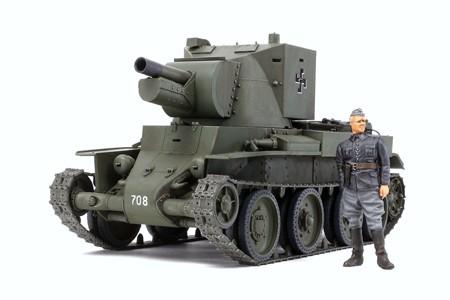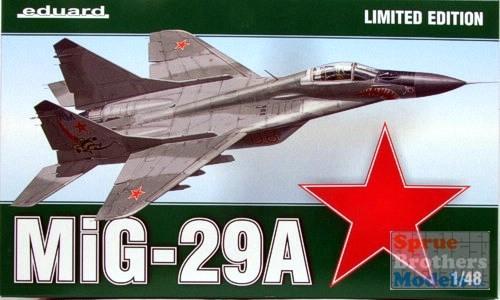
Eduard continues to lead the pack in taking older kits and upgrading them with PE and resin upgrades. In this case, we have the Academy MiG-29A, which in its own right is an excellent kit, with several items added to bring the basic kit to the next level. In this case, Eduard’s own PE instrument panel and detail set, combined with their in-house “Brassin” resin upgrades. Oh yeah, there is also one outstanding decal sheet included with no less than five variants to finish your model; Two Soviet, one Polish, one Czech Republic, and one Iranian. All are in register, and make for quite a variety of color schemes. The decals also include a comprehensive stencil suite, including missile and launch rail details. Outstanding!
all 2011
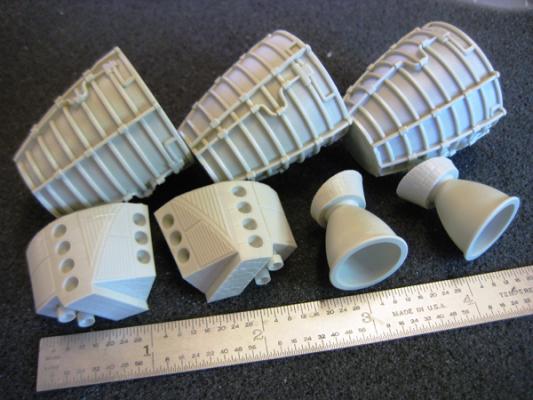
Fisher Model & Pattern has released a set of parts for the newly re-released Space Shuttle in 72nd scale. Parts included are single-piece resin parts and include
- 3 Shuttle Main Engine Nozzles
- 2 Orbital Maneuvering Nozzles
- 2 Aft Control Thruster Housings
This item is so new that a set of instructions was not yet ready to be included with the review sample provided, but as the note that accompanied my sample stated, “It isn’t all that hard to figure out where they go.”
The Story
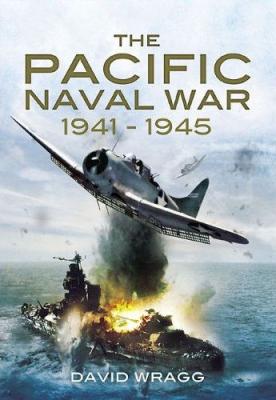
This volume is a newly developed account of the naval war between the United States and its Allies against the Japanese from 1941 through 1945. Since the author and publisher are British, it naturally follows that there is a subdued emphasis on the British and Commonwealth participation in the war, a good thing since this topic has not been covered in a lot of detail over the past few years. In a little over 200 pages, the author condenses the topic to the point that it isn’t really a comprehensive history, but instead a series of chapters dealing with specific issues and events associated with the war, along with his interpretations of the causes and effects of these events.
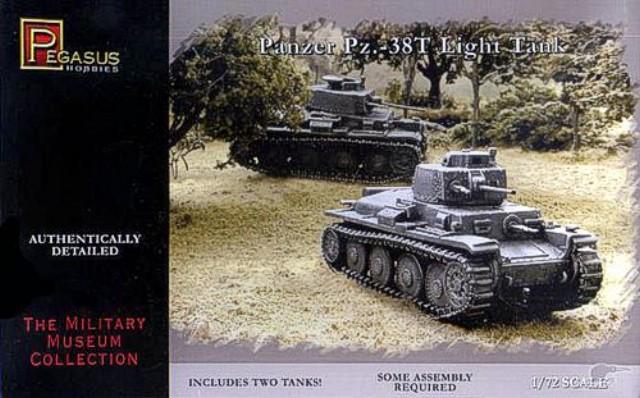
Pegasus Hobbies is a small model company that, while geared mostly towards war gaming, has produced some very nice models over the past few years. I’ve built a few of their models, so when their new Panzer 38T came up for review, I jumped at the opportunity.
The Pegasus Hobbies Panzer 38T kit actually contains two full kits. Each tank comes in 27 pieces on 4 sprues. Since the model is aimed at gaming, construction is very simple, with the entire suspension, road wheels and sprockets, and tracks molded as a single piece. Detail throughout the model is crisp, and while it may be a bit over sized, this helps later with weathering. The only real downfall to the molding is that the main and machine guns are solid and need to have the ends drilled. [Not the hardest task, yet the machine guns do take a steady hand to drill]. Additionally, there are no decals included in the kit.
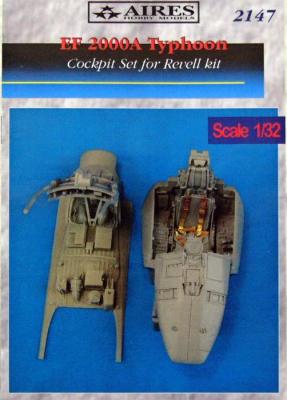
The EF-2000A Typhoon, otherwise known as the Eurofighter Typhoon, the one of the latest generations of advanced technology fighters. Since its debut, several kits have been released, including the Revell and Trumpeter 1/32 scale kits. While I have not yet seen the Revell kit, the Trumpeter version is a great kit, but sadly is lacking in the pilot’s office. Once again, Aires to the rescue! Aires has released a great cockpit set for the Typhoon. While the set is designed for the Revell kit, I found it also fits great in the Trumpeter kit. The set is cast resin with a high level of detail, and few, if any, casting defects. The set also includes a set of flexible cast oxygen hoses, a clear cast HUD glass, and a fret of photo-etched metal parts.
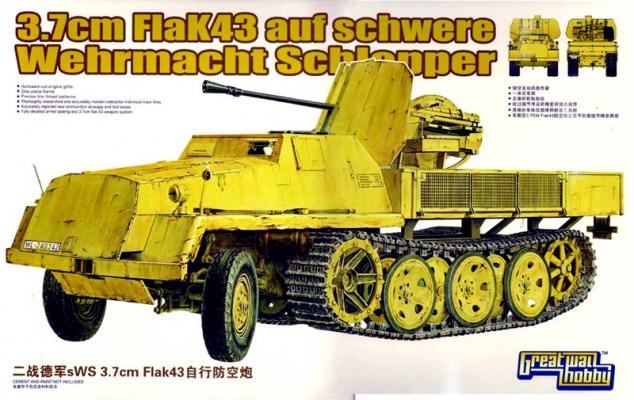
I’ve always been interested in self propelled flak guns, whether on a truck or tracked vehicle. Maybe it’s the interesting combination of equipment that makes some very unique looking vehicles. For several years I had the old Italeri sWS kit hanging out in the closet, along with some various details with the idea of building it someday. Lo and behold a new company, Great Wall Hobby, comes on the scene with all-new tool sWS. I hedged my bets and figured they would eventfully release some of the self-propelled flak halftracks based on the sWS. Sure enough, I didn’t have to wait long!
History and Performance
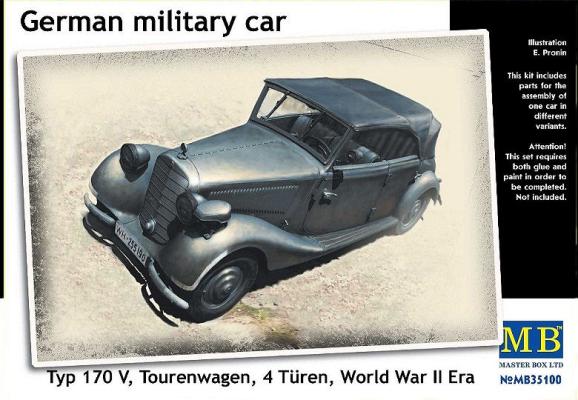
The Type 170V made its first appearance as a military vehicle in 1937. The frame was made from a tubular X-shape, with independent front and rear suspension. The car was powered by a 38 hp, four-cylinder engine. A total of 86,615 170V cars were built by 1942, and it was the most popular “civilian“ vehicle used by the Wehrmacht.
The vehicle was also built after the war by Daimler-Benz in a diesel-powered version. It proved to be very popular based on its proven wartime experience. With some research, the modeler may be able to depict a post-war vehicle with this base kit.
Master Box Ltd originates in the Ukraine. This is my first build by this manufacturer.
Kit Review
Instructions
The instruction sheet is an oversized fold-out map style, with instructions on both sides.
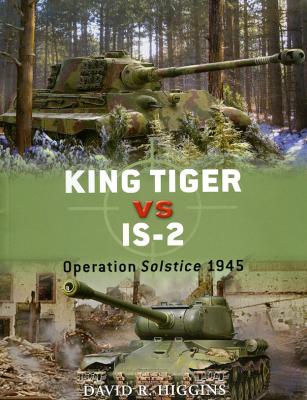
Osprey’s series “Duel” is adding another title - King Tiger vs. IS-2. As with previous publications, the book focuses on the design, development, and capabilities of these two well-known vehicles that debuted in the last eighteen months of the war in Europe. While the book does not offer much in terms of reference material for building the penultimate King Tiger or IS-2, it provides the necessary context for understanding the origins and development of these vehicles and how they performed on the field of battle.
One of the newer series of Osprey Publishing is the “Duel” series. As the name suggests, it provides an in-depth look at two pieces of equipment and compares and contrasts their capabilities in the context of a particular battle. To date, there are forty separate titles. Many of these concentrate on armor. Osprey has packaged five of these titles into one book:
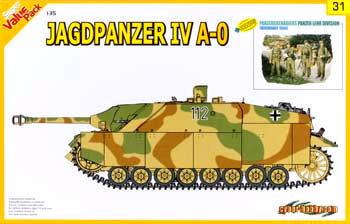
The Jagdpanzer IV was a tank destroyer based on the Panzer IV chassis and built in three main variants. As one of the casemate-style turretlessJagdpanzer (hunting tank) designs, it was developed against the wishes of Heinz Guderian, the inspector general of the Panzertruppen, as a replacement for the Sturmgeschütz III (StuG III). Guderian objected to the needless, in his eyes, diversion of resources from Panzer IV tank production, as the Stug III and Sturmgeschütz IV were still more than adequate for their role. After the Battle of Stalingrad in September 1942, the Wehrmacht arms bureau, the Waffenamt, called for a new standard for assault weapons: 100mm of armor to the front, 40–50mm on the sides, wider tracks, ground clearance of 50cm, top speed of 26 km/h, and the lowest possible firing positions. The new Panzerjager (tank hunter) design would be armed with the same 7.5cm gun as fitted to the Panther: the Pak 42 L/70.
The Contents
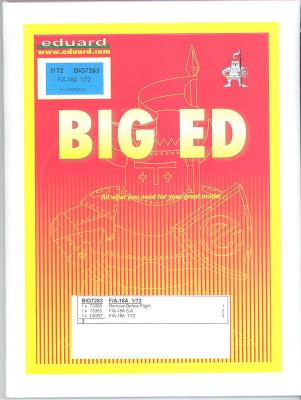
You get a heavy duty envelope with 4 plastic sleeves inside. You get:
- 73355 PE, one self-adhesive mostly cockpit, and two really big PE frets for interior and exterior detail
- CX257 Canopy and Wheel mask
- 73008 Remove Before Flight Tags
You also get 2 full pages of instructions, folded so that you have 8 separate half pages of instructions, plus a half page instruction for the masks.
The Aircraft
The F/A-18 Hornet has been around for a while, and it looks to be almost as big a winner as its predecessor, the F-4 Phantom. One of the stories going around St. Louis in the 90s was that the plant wanted to build 5058 Hornets, one more than the production run for the Phantom. Well, the production line is still open, and they’re past 1100 now.
Well, here it is September already, and our busy beaver fellow IPMSer Ross McMillan follows through with 6 new releases, including one for the all-new Tamiya 1/32nd P-51D Mustang.
As always, crisply cast with only minimal flash and very little cleanup required. Many thanks for the review samples! Keep up the great work.
Editor's note: Eduard M.A. has requested that the following information be included in this review: The product reviewed "..that it's actually prototype product, and that there might be differences/enhancements when compared to the final, publicly released deck.." The item as given was not intended for review. Oct. 10, 2011
The Product
This was presented to IPMS President Dick Montgomery by Eduard at the 2011 IPMS convention held in August in Omaha as a not yet released item to be submitted for review. I told Dick, “I will do my best to give a complete and honest review.”
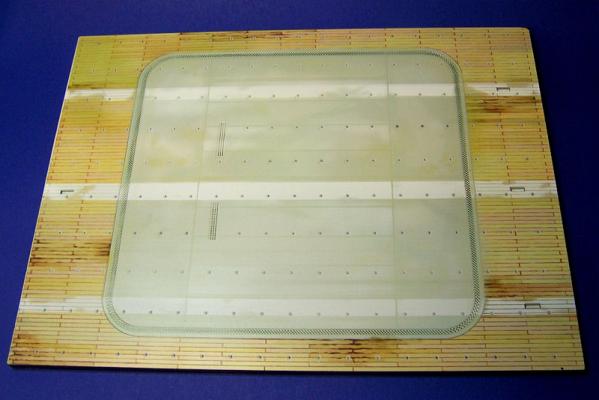
The base appears to be made of some type of hard plastic with very nice engravings and has what looks to be a date ‘2001’ embossed on the hollowed backside. Measuring 11 5/8” x 15 5/8”, this thing is big. It depicts an elevator centered in the wooden deck. The coloring is eye-catching, to say the least, and looks great from a couple feet away.
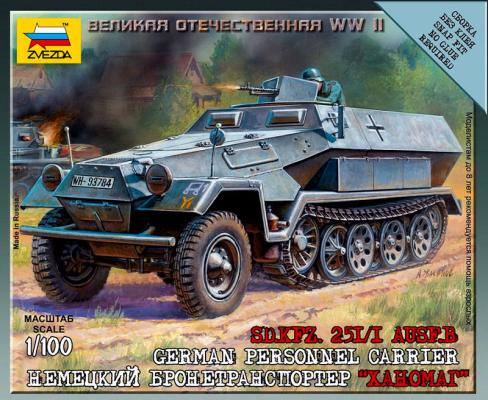
How cool is this? A teeny-tiny 9-piece German half-track in 1/100 scale – sweet! Now, I’m not an armor guy, but I do enjoy a good armor kit every now and then, and I sure do appreciate those life-like pieces of work that show up every month at club meetings and at contests. Frankly, they intimidate this aircraft modeler to some degree.
This little guy, however, is quite a different story. When I saw this was a snap kit and might be good for kids, I jumped at the chance to do this review with my 5-year old modeling “Mini Me,” Camden. As fate would have it, the night we planned to build it at a clubmate’s house, Camden and his junior clubmate buddy opted to assemble integrated air strike packages of plastic and diecast model planes, wreaking havoc on Lego ground forces, leaving my buddy Anthony and I to putz in the shop.
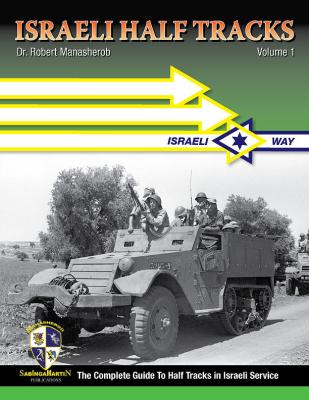
If you have any of Dr. Manasherob's previous volumes on Israeli armor, then you will find this book a comfortable, familiar format. It comes in at 80 pages, with heavy-stock and full-color covers. The paper is the same high-quality stock as is used in the previous books, which lends itself to crisp, clear reproduction of the photos presented. Speaking of the photos, the book offers over 300 in both color and black and white. Thirty-eight of the 80 pages are in full color, and include both photo walk-arounds and color profiles.
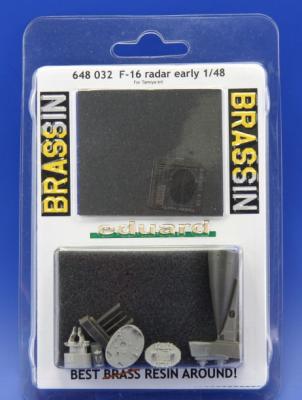
The AN/APG-66 radar system was developed by Westinghouse (now Northrop Grumman) in the 1970’s for use in the General Dynamics (now Lockheed Martin) F-16 Fighting Falcon, and entered service in 1979. The radar was utilized in both the A and B versions of the F-16, and was later replaced by the AN/APG-68 system. The AN/APG-66 weighed in at 362 pounds and was a multi-role, x-band unit with a range of 160 nautical miles. In addition to the F-16 A and B, variants of the radar was also installed on the F-4EJ (Japanese export version of the Phantom II), British Hawk 200, US Navy T-39N, and New Zealand A-4 aircraft. The modes of operation were range-while-scan, track-while-scan, velocity search, and gun director.
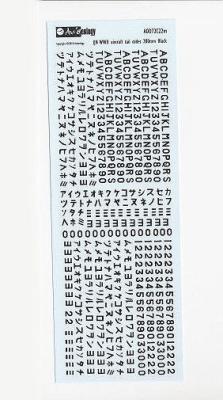
This series of decal sheets is long overdue, and covers an area that modelers have needed for a long time. I have had experience with Aviaeology’s products in the past, and have found them to be excellent quality decals. One advantage that this company offers is that they always do their homework in historical research, getting things right.
Short History
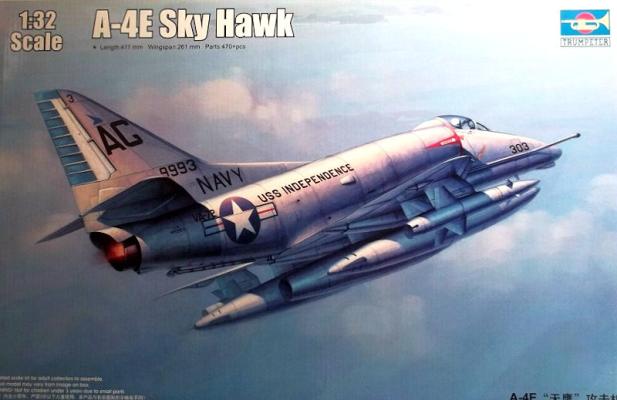
The Douglas A-4 Skyhawk is a ground attack aircraft designed for the United States Navy and Marine Corps. The delta winged, single-engine A-4 was designed and produced by Douglas Aircraft Company’s chief designer Ed Heinemann. The aircraft was later produced by McDonnell Douglas. The A-4 was originally designated the A4D under the Navy’s pre-1962 designation system. The A-4 was in response to a call by the US Navy for a jet-powered attack aircraft to replace the older Douglas Skyraider. Ed Heinemann opted for a design that would minimize size, weight and systems complexity. The little Skyhawk quickly began to be called by other nicknames such as “Scooter”, “Kiddiecar”, “Bantam Bomber”, “Tinker Toy Bomber”, and one of its more famous of nicknames, “Heinemann’s Hot Rod”.
History and Performance
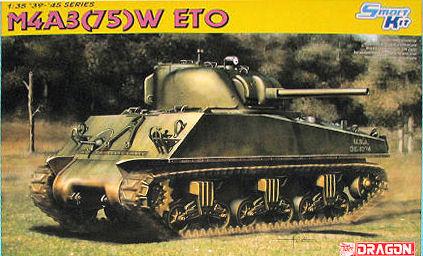
I have never been a big follower of the Sherman (and I certainly do not mean to offend anyone), and therefore cannot offer anything new on the history or performance of this medium tank, as it has been addressed many times before. My references were limited to the Internet and the Squadron Signals publication Sherman in Action.
The M4A3 was the major service variant, and was the model chosen for postwar production, and was the most produced of all Sherman variants.
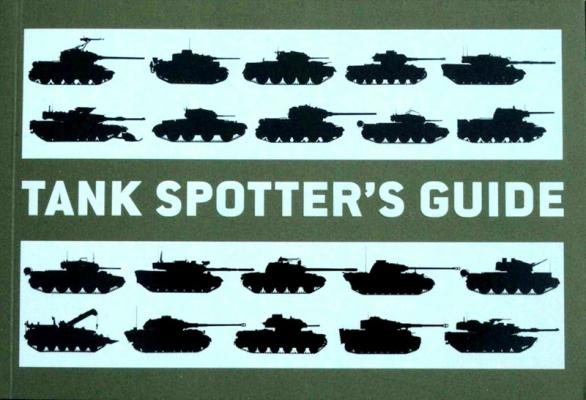
Osprey Publishing, in cooperation with The Tank Museum, has published a guide of “the 40 most iconic tanks of the 20thcentury.” Each of the tanks covered in the guide receives three pages that include a one page history, an extensive list of specifications, two full color drawings and detailed descriptions of each drawing.
Much of the histories will already be known to students of armor, but I did find bits about the covered vehicles that are new to me. The full color drawings are exceptional and show the tanks in a used condition with many covered in crew gear and other equipment. The majority are side profiles, however there are many views from the front or rear quarter. The lists of specifications are fairly extensive for the size of the book and are useful for comparing the different vehicles. Finally, the picture narratives provide additional details on the particular tanks in the drawings.
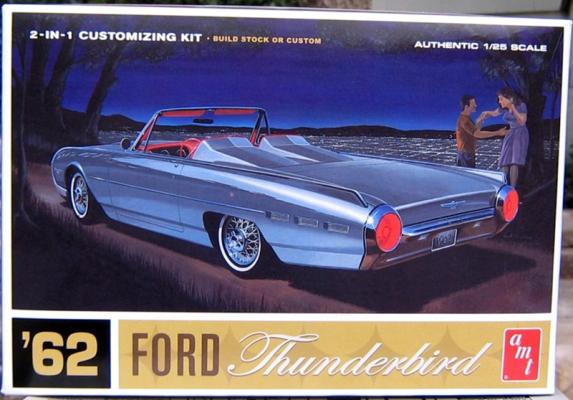
Round 2 has reissued the AMT 1962 Thunderbird with both stock and custom parts, not offered in the original release. The 1962 Ford Thunderbird, known to aficionados as the “Bullet Bird”, was the 3rd generation of the 3 most classic and beloved Thunderbird designs: “Square Bird” 1958-1960, “Bullet Bird” 1961-1963, and “Flair Bird” 1964-1966. The customizing features include ride lowering suspension with rear skirts, low profile whitewall tires and sombrero wheels, Lucas style headlights and sombrero taillights, and a 4 barrel engine option with separate manifold and air cleaner. The decals are a customizer’s dream: scallops for the hood, rear deck and sides, pinstripes, and “T-bird for Two” logos in black and white. To top off the custom look, choose the soft top, convertible, or tonneau cover. The kit is accurate, well detailed, and for the most part fits well. I elected to make a mild custom version, here are my construction notes:
The Detail Parts
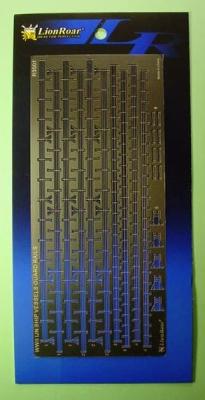
Lion Roar has a reputation for offering excellent P.E. parts for ships and this new product continues that tradition of high quality. This product is labeled as, “WWII USN Ship Vessels Guard Rails” and is not specific to any one kit, but rather, is generic and applicable to most, if not almost any WWII USN subject.
The package contains two frets, both loaded with railings and stanchions. Both frets are identical in content.
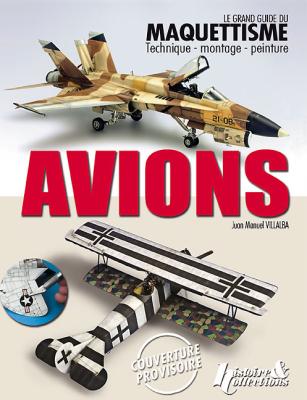
This large book (8 ¼ inches x 12 inches) was originally titled Aviation Modeling Techniques: The Greatest Guide when first published by Euromodelismo.. The book is profusely illustrated with almost 1000 color photos. The book is entirely in French. Each chapter covers the complete building process of one aircraft model. These chapters cover aircraft from WWI up to modern day.
Each chapter features a step by step guide to the building process. From detailing, assembly, painting and decaling each step is thoroughly discussed. Typing some of the captions into Google translation yielded some interesting and helpful information. Some of my favorite chapters include one showing the build of a Ki-43 and another on the F4D.
Beginning on page 160 is a Gallery of other completed models. Some favorites here are a complete but unpainted IL-2 showing the metal and wooden areas to advantage, a super-detailed 1/72 FA-18 and an F7U under construction.
The Story
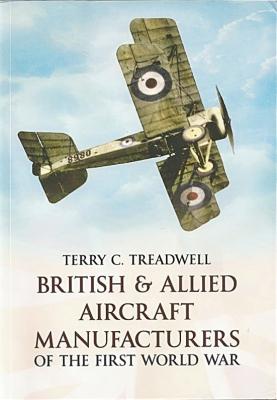
This book represents a novel approach to aviation history, and instead of the usual treatment of aircraft types, famous pilots, or even significant designers, the author identifies what he considers to be the significant aircraft producers of the World War I era, and goes through the development of the companies and the actions of their founders and CEO’s, explaining how their aircraft were developed and used. After producing a list of 92 significant producers, the authors selected 27 to discuss in detail, and he does an excellent job of presenting the startup of the firms, the personnel involved, and the airplanes, both successful and unsuccessful. He alludes to the postwar period a number of times, as many of these aircraft, such as the DH-4, Curtiss JN-4, and other types were used long after the end of hostilities, in both military and civilian roles.
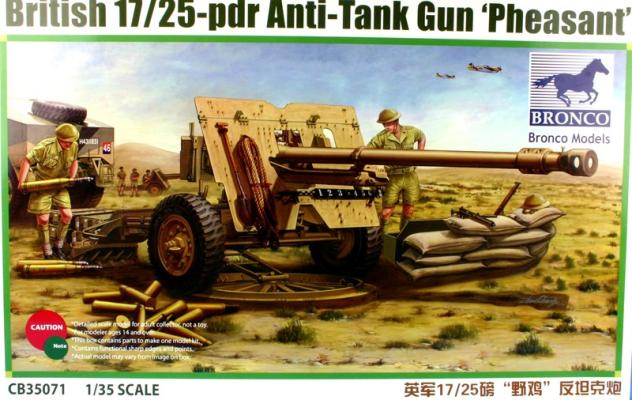
This kit is a representation of the 17-pdr Anti-Tank gun used by the British Army during WWII. This variant was rushed into service when the Germans introduced the Tiger Tank into North Africa. Due to the expedited production of the gun, the correct carriage was not ready; therefore the British mounted the gun on the 25-pdr carriage. This combination as designated the 17/25-pdr and has a security code name of “Pheasant” The weapon was effective and the only criticism by the troops was its tall profile.
Sprues:
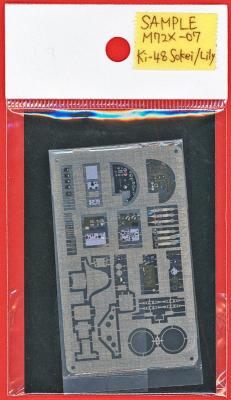
Every once in a while something nice happens to you. This little photo-etch set is just the sort of thing I’m referring to. I’ve had the major parts of a Hasegawa Ki 48 Lily kit clipped off the sprues for some time in the hope that eventually I would locate enough reference material to guide me in adding cockpit detail when I continue with the build. The opportunity to review this new Platz photo-etch detail set for the Ki 48 was just what I needed to move me from a state of static inertia to critical mass. The kit box was located among the ‘in-progress’ stack, reopened, contents examined, the workbench was cleared and my Optivisor was back in place.
History Brief
As the Second World War progressed, the Soviets were fielding better tanks. The Finnish Army, on the other hand, had to make due with a large number of old obsolete captured tanks, which were for the most part lightly armored and armed.
The Finns redesign the BT-7 model 1937 tank. They constructed a new turret and armed it with British-made 114.3 mm howitzers that had been supplied by the British during the Winter War (Q.F. 4,5 inch howitzer Mark II, also known as 114 Psv.H/18 in Finland). The Finns constructed 18 BT-42s and these were pressed into service in 1943.
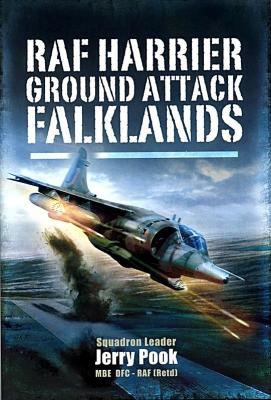
Prior to this book, very little had been written in detail describing the RAF Harrier GR3 operations during the 1982 Falklands War. This book fills that void very well, providing a wealth of detail in describing the lead up, deployment and day-to-day combat operations of the small contingent of Royal Air Force attack Harriers. It makes a fitting companion to Sharkey Ward’s earlier narrative Sea Harrier over the Falklands.
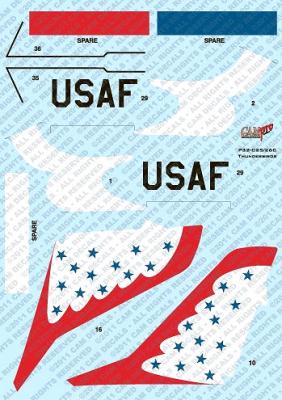
If you attended the Nationals in Omaha and had occasion to stop at the National Office Managers Table, you have probably seen these on display with a notice that they were soon available. Well, soon is now. Fellow IPMS member Ray Beyers has beautifully crafted this set of markings to fit the 1/32nd scale Trumpeter F-100D in both schemes (P32-025 for the 1965 show season and P32-026 for 1967). Each set of markings comes with 4 separate sheets and a partial containing the extremely complex flag markings, as well as the Thunderbird logo. Even a pilot’s helmet decal with the logo and scallops is included. These decals are custom-printed by Microscale Decals.
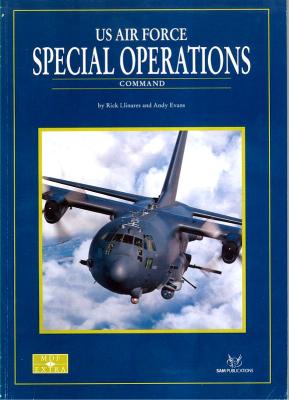
If you’ve ever spent time at Hurlburt Field, Florida, near Mary Esther, and mostly surrounded by Eglin AFB, you probably know something about Air Force Special Operations Command (AFSOC). The first time I was there, they had AC-130s, HH-3s, and MC-130s. Each time I went back they had something new and more esoteric. I haven’t been back since they got the Ospreys, but I’ve seen one fly, and they are a hoot.
This book is aimed at the modeler and aviation enthusiast interested in the less-traveled and publicized areas of the modern Air Force. Each chapter contains a few pages of text, with photographs which illustrate and flesh out the subject of the text. Then come side color profiles of the aircraft, and finally a walk-around showing all those things we’re interested in and those details we can’t find photos of.
The contents are, by chapter:
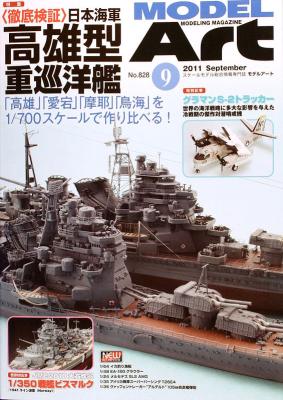
In Model Art No. 828, September 2011, the ever-popular Takao class of WW2 Imperial Japanese Navy (IJN) heavy cruisers in 1/700 scale is featured. Pages 12-45 are filled with a comprehensive review comparing commercial kits and aftermarket sets, along with very detailed build information on super-accurizing each ship in the class (Atago, Chokai, Maya, Takao). Builds range from straight out of the box to superdetailing with aftermarket photoetch. Pages 50-52 are a history of Chokai. Except for this history, the non-English language is not a problem for understanding the builds and modifications. If you want to build 1/700 ships of this class, this magazine is a must-have.
Model Art No. 41 Autumn 2011 is devoted to several classes of more obscure Imperial Japanese Navy (IJN) warships in WW2. Specifically, Katori class light/training cruisers, Hatsuharu class destroyers, and Fuso class battleships. For each class, you get to see builds of the most recent kits, drawings, figures and photos showing intimate details of each class/kit, and background history with photos (in Japanese of course). Scales are mostly 1/700 since 1/350 kits are not available for Katori and Hatsuharu classes yet. Battleships kits are mostly 1/350 scale model kits. Coverage is comprehensive, with emphasis on historical accuracy of appearance. This edition is perfect for those modeling these ship classes.
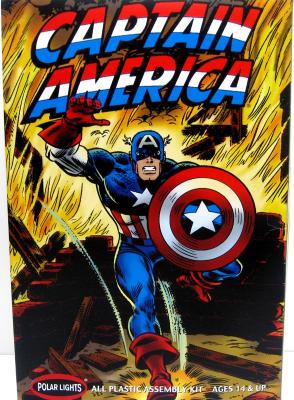
In 2003, Polar Lights re-tooled and re-released the classic 1966 Aurora kit in a larger 1/8” scale. This 2011 re-release includes 31 parts molded in blue and clear styrene. Parts had no flash and includes a new face sculpt, giving you the option of 2 different faces within the kit. This release also includes a newer comic book cardboard back highlighting a scene from the included comic book instruction manual where through the flames of war behind Captain America, visions of Bunker Hill and Iwo Jima can be seen among other American icons.
The overall construction is very simple, the comic book instruction manual has color instructions presented in the classic Aurora style. The Manual suggests that different sub-assemblies be constructed and painted separately, but I felt this method was too complicated for such a simple kit.
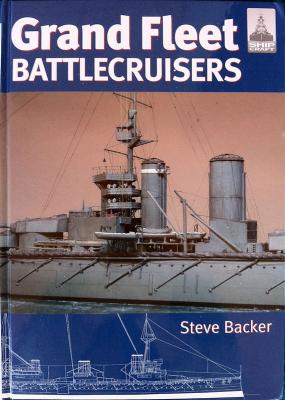
The genesis of the modern all-gun warship occurred when Jackie Fisher, who was for a time Great Britain's First Sea Lord, serving with Winston Churchill, First Lord, during WWI, designed the first fast, big-gun battleship named HMS Dreadnought, a name subsequently given to all ships of that class. Fisher was determined that the prime characteristics of a superior warship were found in two things: speed and firepower. Consequently, this same thinking that produced the Dreadnoughts also created the first Battlecruiser, HMS Invincible, which was basically a somewhat smaller, faster ship, more lightly armored than the battleships, but almost as heavily armed. As the Dreadnoughts made all other battleships obsolete, so the Battlecruisers made all other cruisers instantly obsolete.
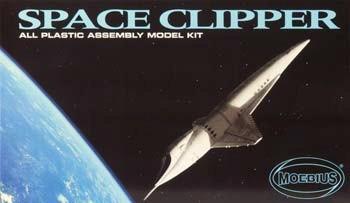
For years I have wanted to replace the old Aurora kit of the Orion III that I lost years ago but the cost was too high and the old Airfix kit has several accuracy issues. But now my wait is over as Moebius has released their second kit from the movie 2001 and it is a beauty.
The new kit of the Orion III Space Clipper is very simple to build with only 12 white plastic parts and 5 clear parts (and that includes 2 pieces for the stand). The parts are well packaged with the tail parts extra protected for the tail prongs. Unfortunately, one of mine was bent but a little finger pressure put it back in line. The fit is pretty good though I still had a little trouble matching up the fuselage seams and there were gaps between the upper wings and fuselage. I used some styrene strip to fill the later.
One thing you can never say about Dragon kits is they don’t give you a whole bunch of plastic for your outlay of freshly printed samolians.
I’m sure the aftermarket folks will work their magic in resin and brass for this kit, but in reality, little of it is necessary to the builder who wants a neat, well detailed miniature of the prototype for his collection. It’s all right here in the box.
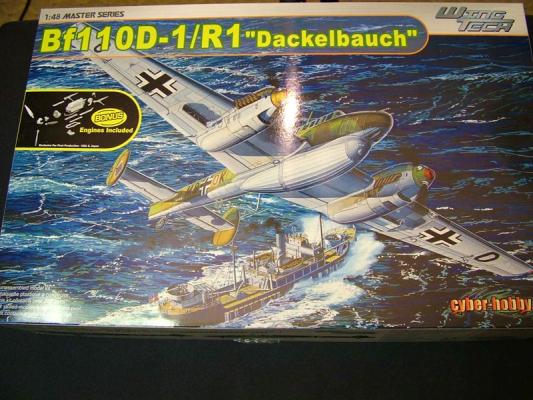
As we’ve said, if you like lots of plastic, there must be half a dead dinosaur in this box. Beaucoup interior parts including the requisite cockpit goodies are there along with nose cannon bay, multi-part wheel wells and two very nice “bonus” engines, which you do not have to use if the mood doesn’t strike you. There are no corresponding “open” cowling pieces to go along with them, so without modifying the closed covers it’s pretty much an all or nothing proposition if you want to mount one or both Daimlers exposed.
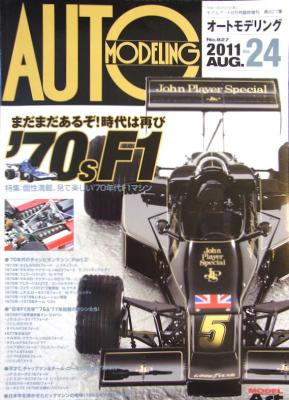
This is my first experience with Model Art publications. This issue is dated August 2011 and titled Model Art “Auto Modeling” No. 827, Vol. 24. Its main focus is on the spectacular race cars of the ’70’s Formula 1 series. The first few pages are an index of topics and noted cars of 1973-78 in succession. The first noted car is the ’73 Tyrrell Ford from that year’s championship, driven by Jackie Stewart. The kit supplied and meticulously reviewed is a Tameo Kits 1/43 white metal kit. It’s not a common scale for autos, as most are 1/24, 1/25, 1/20, or 1/12. This is the first offering I’ve ever seen in this scale for autos that is a complete white metal cast kit. The next 40 pages cover the same format of various kit offerings from Tamiya, Studio 27, Hasegawa, and E.Jan conversion kits. Each includes detailed pictures of kit components and steps in assembly. Pages 43-50 cover specs on the vehicles, including blueprint-type drawings.
I would like to thank Yellow-Wings Decals for this review sample and IPMS/USA for allowing me to review it.
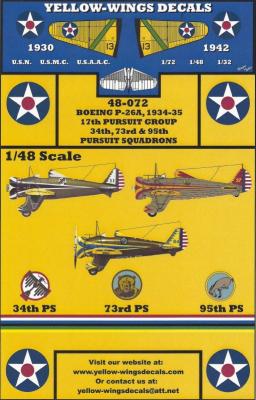
The U.S. military had some of the most colorful aircraft ever prior to WWII. There were bands of bright colors on the fuselage and chevrons on the upper wings to identify section leaders. The rudders had red, white, and blue stripes. Bright tail colors were added to identify squadrons or assigned carriers. The national insignia was a large blue roundel surrounding a white star with a red roundel in the center. Added to all this were the orange-yellow wings and horizontal stabilizers. The color schemes could not get more garish. But, they did. Enter the Boeing P-26.
Designed and built by Boeing in the early 1930s the P-26 was the first all-metal monoplane production fighter aircraft used by the United States Army Air Corps, USAAC. However, it was a transitional design retaining the wire-braced wings, fixed landing gear and open cockpit of previous designs.
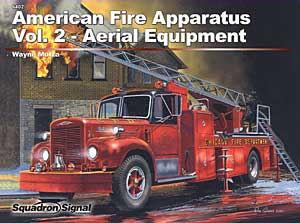
Wayne Mutza has written his second book on American Fire Apparatus aimed at the scale modeler. This volume covers Aerial Equipment and, from Don Greer’s paintings on the front and back covers to the more than 300 color and black and white images inside, it is a feast for the eye.
The introduction explains that by the late 1800s the increase in multi-story buildings brought on the organization of the first Hook and Ladder Companies. They arrived at the blaze carrying multiple ladders and pike poles, or “hooks”, for pulling down walls and ceilings. American LaFrance purchased the patent for a wagon-mounted ladder raised by a worm gear and fitted with a tiller seat from Daniel D. Hayes of the San Francisco Fire Department. The Hayes Aerial went into production in 1881.
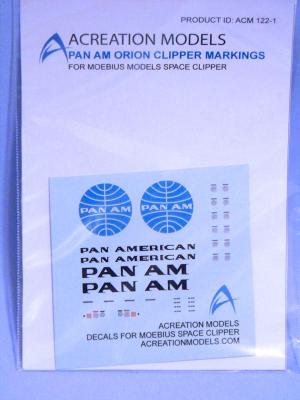
Acreation is one of several aftermarket companies that offers Pan Am decals for the new Moebius kit of the Orion III Space Clipper.
The small sheet is well printed and in register. It offers the Pan Am Globes, Pan American titles for the fuselage, and Pan Am titles for the wings. These last are not seen on the model used in the film but I have seen builds with them in the past. Also included are several small markings including "No Step" markings and some that are included in the kit decals, if you don't use them, to depict the panel lines.
The sheet has a continuous carrier film so make sure you cut the images close, especially the globes.
The only thing missing from this set are some instructions to tell you where to place the smaller markings. I even went to their website where they have a space for Instruction Guides, but they are listed as Coming Soon so no help for me.
Osprey is a prolific publisher that has coupled excellent authors with fantastic artists that have combined their talents, mostly under Editor Tony Holmes’ direction, to produce hundreds of mostly soft cover “must have” books for serious modelers and history buffs. Any ‘good’ model show will have someone selling Osprey books and any modeler who has started his own reference library, owns Osprey books. Over the years, Osprey has divided them into several subcategories like ‘Aces,’ ‘Elite Units,’ and so on. One of the newest categories is the “Duel Series” where for example, one famous aircraft or tank is pitted against one of its contemporary enemies. I own many titles authored by IPMSer Steve Zaloga and every one written by Chris Bucholtz. I’m sure many more authors are IPMS members too that I’m just not aware of.
A while back, I purchased RBF (Remove Before Flight) flags for a Skyraider and they gave the aircraft that final detail which changed it from bland to grand. The RBF flags added a few more degrees of realism.
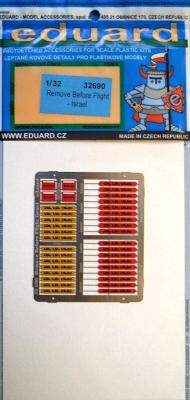
Now, Eduard has come out with these RBF Flags for aircraft modeled after Israeli units, such as the F-16. Included in this set are 18 red exterior flags, 14 yellow interior flags, and 4 placards for ejection seats, all in Israeli writing. These are also colored and printed on both sides which enable them to be “posed” in any position, such as twisting them to make them appear to be blowing in the wind or just falling naturally in the cockpit.
I highly recommend these RBF flags to anyone building an Israeli aircraft for that extra effect.
As always, my thanks go out to Eduard for submitting this product for review.
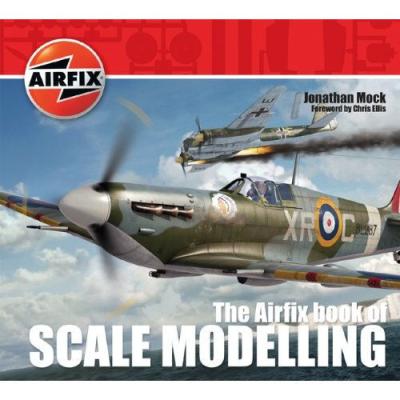
Always on the lookout for a good book on my favorite hobby I stumbled upon this book in my local Barnes & Noble and purchased it right away, as the new logo colors, photography, and use of the rich “painting”-like illustrations drew me in.
The latest regeneration of Airfix has brought about not only great new tooling of kits, but also reissues of classics, a full line of paints, tools and finishing equipment, and now the resurrection of publishing efforts. First, they brought us Airfix Model World on a monthly basis, but now we have their first new book, “The Airfix book of SCALE MODELLING”, by Jonathan Mock. This book weighs in at 176 pages chock-full of color photos and state-of-the-art CAD paintings just like those in the new Airfix magazine.
Background
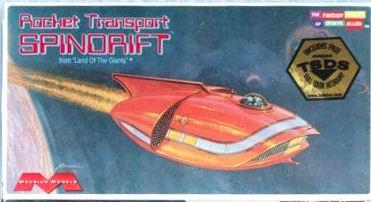
Land of The Giants was a science-fiction classic TV show from Irwin Allen, airing 51 episodes from 1968 until 1970. In the (then) far future of 1983, a crew takes off for a sub-orbital trip from LA to London when they are hit by a space storm and mysteriously transport to a world where everything is 12 times bigger than Earth, ala Gulliver’s Travels.
The Kit
Packaged in an Aurora-reminiscent box featuring an attractive painting of the Spindrift just entering space, and at 17 parts over several trees, the kit is simple enough in construction to have its instructions printed on the back of the box. In addition to the instructions, the back of the box also has paint call-outs for Testors Model Master Acryl and Enamel paint lines. The parts are molded in orange and clear plastic and include a free paper fold-up color interior from TSDS, and a decal sheet.
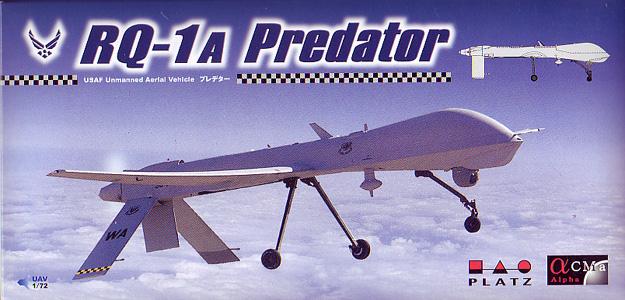
The Predator was developed between January, 1994, and June, 1996, as a medium-altitude-endurance unmanned aerial vehicle. The complete Predator system has three components – the air vehicle, the ground control station, and the date dissemination system. One system is made up of 4 RQ-1A air vehicles. Each has a max weight of 2250 pounds, and is powered by a 115-horsepower Rotax engine, so no wonder it needs a 5000-foot runway to take off.
The kit consists of 2 sprues with about 23 finely-molded and flash-free parts with recessed panel lines, and includes a nice decal sheet by Cartograf. To start, I removed the major pieces and was wondering what the pieces of cardboard around the stabilizers were for. Well, be careful – they’re to protect the fine protrusions which stick out of the stabs, which I believe are either counterweights or vibration dampeners.
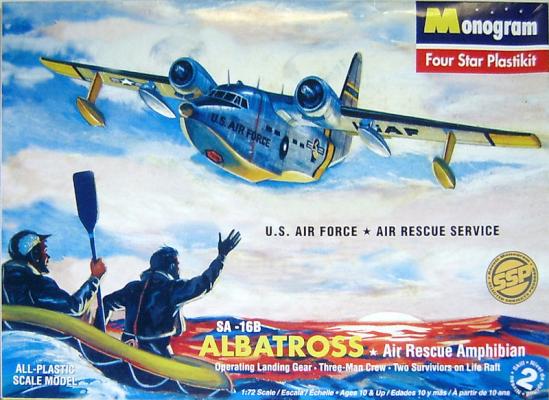
The Albatross was to be a replacement for the Grumman Goose; it began life as the XJR2F-1 Pelican with a Navy designation as the PF-1 and an Air Force designation of SA -16A. The SA-16B – the subject of this kit – was an upgraded machine which had 100 inches added to each wing in two separate plugs. A seventy-inch extension was grafted outboard of each engine nacelle, with a thirty-inch one near the tip. It also had a slightly wider horizontal stabilizer and a taller vertical fin. The B model had a wingspan of 96 feet 8 inches and was 62 feet 10 inches long with an empty weight of 22,883 lbs. It was powered by two Wright 1820-76A-94 engines of 1425 horsepower each, and boasted a speed of 236 MPH, with a range of 3465 miles. At least 19 other countries operated the Albatross besides the United States.
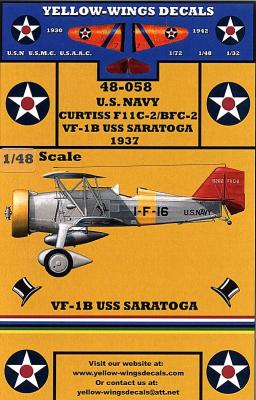
This set provides decals for four Curtiss Goshawk section leader’s aircraft, and includes a few surprises in the way of markings that are pretty rare for the Goshawk.
The aircraft covered include:
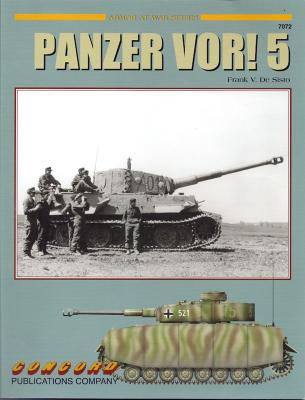
The very popular Concord Armor at War Series has now released PANZER VOR! Volume 5continuing the excellent combination of modeler/author par excellance, Frank V. DeSisto, with parent company Dragon Models as publisher. This edition doesn’t include the author’s bio, but Mr. DeSisto is one of the original founders of AMPS, has been published elsewhere, is a font of knowledge that he readily shares in his books, and as an advanced modeler and professional photographer, chooses photos that will offer great interest to the modeler. Following the format of the previous four volumes, there are 16 color platesby Laurent Lecocq and 175 black and white photos, all with high quality, detailed captions written by a modeler, for modelers.
As most of you armor modelers know, Griffon Model has been making photo-etch accessories for just about every aspect of Military Modeling for quite a long time and is regarded as one of the leading manufacturers of photo etch and other aftermarket products. Their name is among the best in the business.
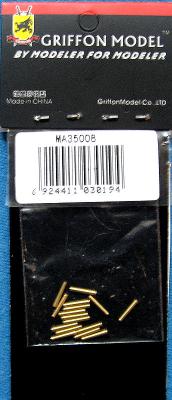
This particular sample is the 3.7cm Ammo Shell Cases (spent shells) for the 3.7cm Flak in 1/35 scale. These are obviously made for adding that extra degree of detail that we modelers strive for to enhance our personal masterpieces.
This package contains sixteen spent shell casings made of brass with that extra margin of detail which shows the engraved circles inherent to this specific type of shell. They are approximately 3/8” long and the machining is amazing. Needless to say, there are no instructions included.
A big thank you goes to Yellow-Wings Decals for this review sample and IPMS/USA for allowing me to review it.
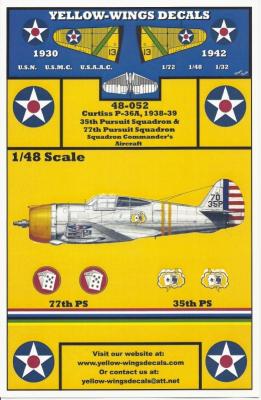
Aircraft design and development was changing rapidly in the 1930s. As the dark clouds of war were beginning to form in Europe, the effort to improve military aircraft quickened. A new era of low wing monoplanes with retractable landing gear and enclosed cockpits was dawning. The British Hurricane was ordered into production in June 1936 and the Messerschmitt 109 made its public debut during the 1936 Berlin Olympics. At the same time American's front line fighter was the open cockpit, fixed gear, wire-braced P-26. It would remain so until 1938 when America finally entered the new era with the Curtiss P-36A Hawk.