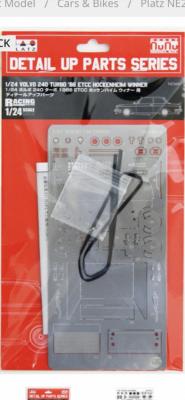
In 1982 the Federation International de ’L’Automobile (FIA) developed Group A requirements to allow manufactures and individuals to race production model cars. In order to qualify, a process called “homologation”, the manufactures had to build 2500 or 5000 cars or under “evolution” rules 500 cars which after inspection and approval qualified the cars to race. The subject of this review qualified under the Evolution, Group A rules by building 500 Volvo 240Ts. An interesting note is that 477 of those cars were stripped of competition equipment and sold as standard Volvo 240 turbos. In order to requalify, Volvo had to identify those 500 owners! Drama aside, the Volvo 240T turned out be a winning platform. Powered by a 340hp, 2.1-liter, intercooled turbo with water injection and weighing in at 2200lbs, these cars were real competitors against BMWs and Austins in its class.
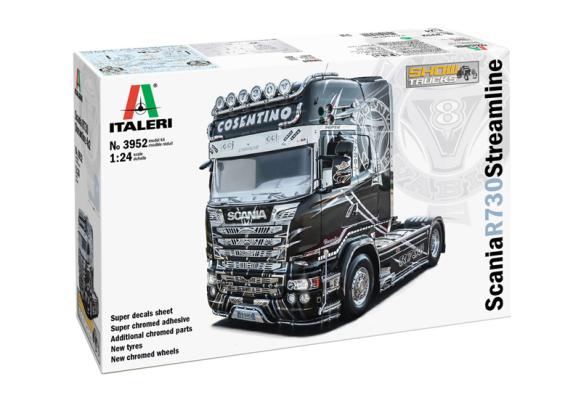
Having previously built Italeri’s Iveco Hi-Way 40th Anniversary and the Mercedes-Benz Actros MP4 Giga Space, I had a pretty good idea of what was in front of me building this truck.
All the parts sprues were presented in the same organized fashion, and like the Iveco Hi-Way, the Scania R730 included a fantastic chrome adhesive sticker sheet on top of the gorgeous decal sheet. Italeri mentioned that the chrome plastic sprues were newly tooled, but they were identical to those found in the Iveco kit mentioned above, except for the addition of the sun visor and exhaust pipe panel.
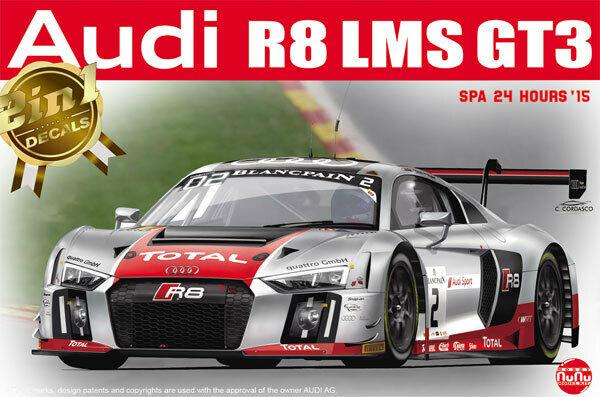
Platz and NuNu have partnered to release a series of automotive subjects and accessory packs to build up some neat cars. In this case, it is the Audi R8 LMS GT3 which is a beautiful vehicle. It is a mid-mounted V10 engine sports car, and the GT3 version has been delivered to many racing teams around the world and is very active in endurance races and GT races. This model, in 1/24th scale, reproduces the AUDI R8 LMS GT3 in the Macau race of 2015. Inside the box are 8 sprues of white and black parts and one clear sprue plus rubber tires, decals (lots of them) and a small sprue of poly caps. There are two sets of markings included as several cars were entered in this race- one silver and one red representing two different drivers.
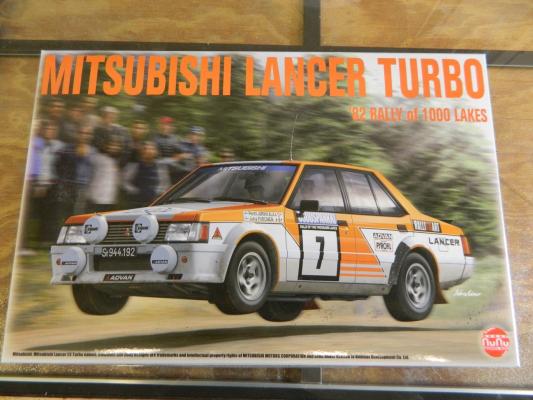
This is a review of the NuNU Mitsubishi Lancer Turbo ’82 Rally of 1000 Lakes race car by Platz Hobby.
Engine
Disappointed that there’s no engine. It is curbside kit.
Interior
Interior is wonderfully engraved and fits extremely well. Very little, if any, flash needed to be cleaned up. Did not even have to paint some of the parts.
Body
Body was crisp and clean with no flash. I used HOK snow white pearl on the body, applied decals, and then sprayed 1 coat of clear to protect the decals. While the instruction sheet for the decals was available, I found them to be lacking in sufficient detail to apply correctly, especially on the door posts.
Chassis
The suspension parts are separate from the chassis pan as is the exhaust system. Some of the parts are pretty small and care must be taken when working with them.
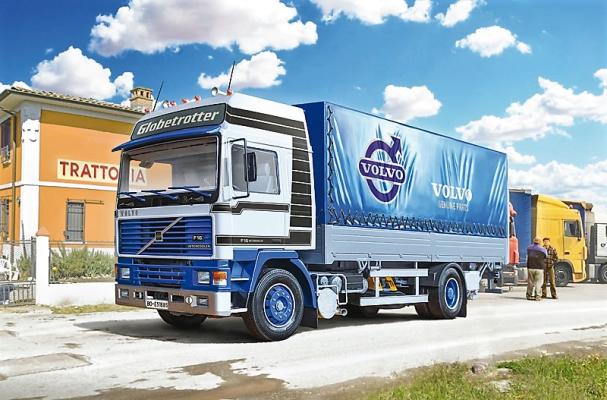
The Volvo F16 Globetrotter has been a commercial success since its 1988 introduction. The basic design has been re-configured into several different models ranging from a towing tractor (with a single axle, rear end), an XL version with a sleeper cab, and a reefer truck, among others. The F16 Globetrotter has been replaced in the Volvo inventory with the upgraded FH / FH XL series. (There is an XXL series but that may just be a shirt size. :)
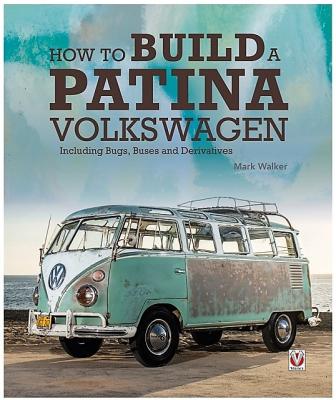
Mark Walker has released a companion edition to an earlier Veloce Publication: Patina Volkswagens.
[For a through description of that publication, see Bill O'Malley's IPMS/USA review.]
Mr. Walker's latest foray into patina Volkswagens is entitled How To Build A Patina Volkswagen. This companion volume allows for a more through discussion and understanding of this trend (patina finishes) in automotive restoration circles. By exploring all the ends and outs of this trend, Mr. Walker provides the reader with a complete understanding of what is really involved with this trend in automotive restoration, particularly VW's.
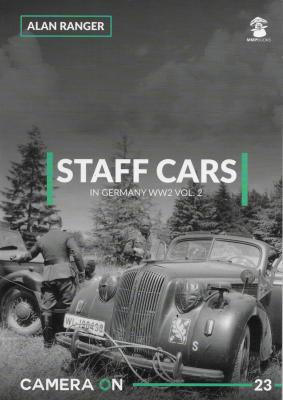
Staff Cars in Germany WW2 Vol. 2, is number 23 in the “Camera On” series published by MMPBooks/Stratus. The author, Alan Ranger, has written over 20 books in the Camera On Series dealing with German and Japanese armour specializing in soft skin and armoured vehicles. With Volume 1 Staff Cars in Germany WW2 # 9 published in 2019, the author presented photographs of passenger cars used by the German armed forces namely the line of Opel vehicles including the Admiral, Kadett, Kapitän and others. A lengthy article on the history of the Opel was presented in his first volume.
History
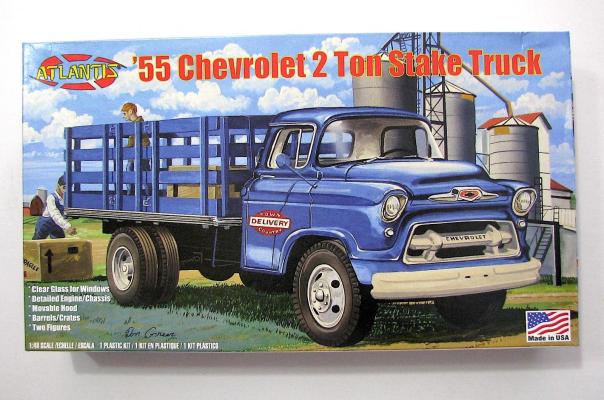
From the kit instructions: Combining passenger car styling with rugged, versatile and dependable truck performance, the Chevrolet Two-ton Stake Model represented the ultimate in commercial vehicle design. One of the most popular models in the famous “task Force” series of 1955, it was seen on the highways and byways across America, hauling loads of all descriptions with the greatest ease and efficiency. Whether it was a load of grain from the local feed store, lumber for the new house down the street, or a gang of kids headed for summer camp, the model 6409 was equal to the task.
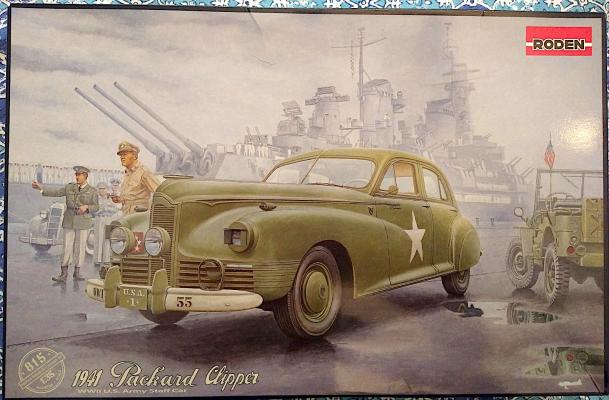
Background from the website: "In 1941, Packard introduced a new model of car - the Packard Clipper. It was created by the talented designer Howard Darrin, who had previously collaborated with this company and significantly influenced the appearance of all Packards in the second half of the 1930s. The new car had a powerful 125 hp engine with a displacement of 4.7 liters, was wider than its predecessors, and had an extremely elegant design. By the end of the year, Packard had produced 16,000 such cars, but the US entry into World War II completely changed subsequent plans. The military high command issued extraordinary production orders for its requirements, and many purely civilian manufacturers, including Packard, were repurposed to produce military equipment.
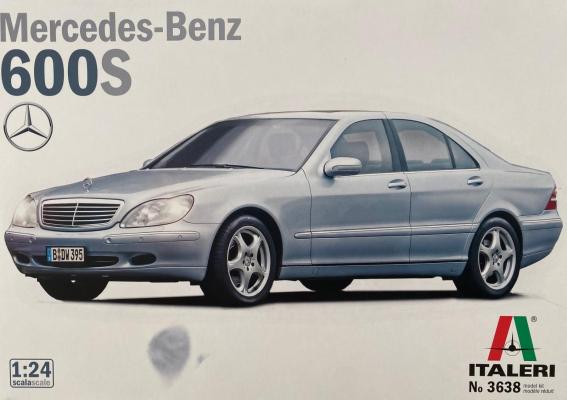
The S class cars from Mercedes have always been the luxury flagships of the company's line and the 600S is the king among them. Although not particularly appealing, at least to my eye, these cars feature state of the art technology including self-driving capability and absolute luxury in every interior detail. Near as I can tell this model represents the 2000 model year but Mercedes have released a completely revised 600S for 2021. Oh, and don’t be fooled by the mundane appearance, these cars have very respectable performance with powerplants ranging up to a twin turbo V-8. In an age taken over by SUVs, the Mercedes S series reputation as the luxury sedan standard will maintain a steady customer base for the foreseeable future.