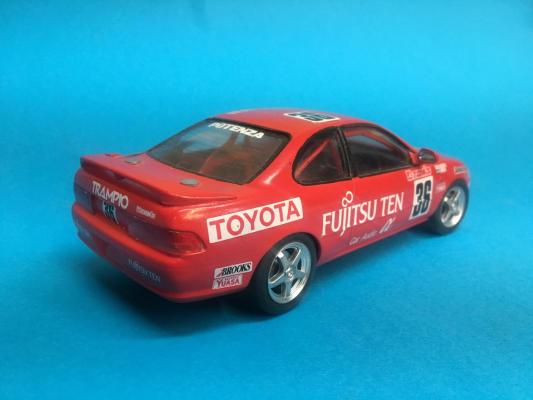
The 1992 Japanese touring car championship season was the 8th edition of the series. The series was nine events long running April thru November, Finishing up at the Fuji International Speedway in Japan. the series was run under several different regulations during it's existence. The series included international categories such as group A and Super Touring which allowed both Japanese and foreign built cars. Tom's Toyota's were competing against the likes of BMW, Honda, Nissan, Isuzu. Most were factory sponsored and a few were not. There was still some serious competition. Tom's: Tachi Oiwa Motor Sports was founded in 1974 by Nobuide Tachi ad Kiyoshi Oiwa. The pair were able to use TRD with very good results in tuning and modifications to the car and a good long term R&D program with Toyota. As a result of this they were able to go racing with fac- tory sponsorship winning championships in various categories.
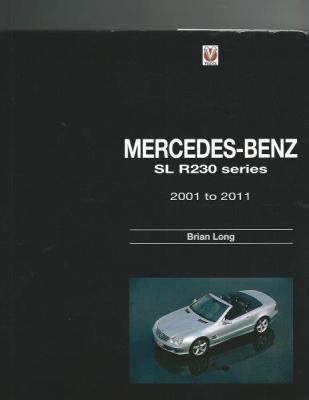
This publication is one from a series of books covering the Mercedes Benz SL series by Veloce Publishing. It is a 208 page hardcover book, printed in 25cm x 25cm (9.75” x 9.75”) format. Publication date was February, 2015.
Other publications in this series are:
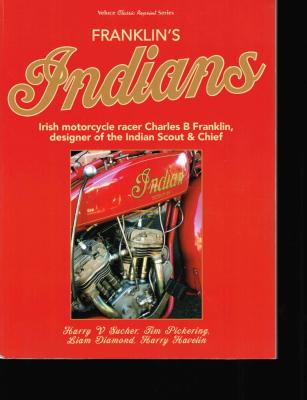
This book was first published by Panther Publishing in 2011 and Veloce Publishing Limited did a facsimile reprint in February 2018, this review is about the reprint. What we have is a biography of Charles B. Franklin, an electrical engineer, motorcycle racer, designer of Indian motorcycles and an overseer of the Indian Company racing teams. This book extensively covers the years from 1903 thru 1932 and with a wide geographic expanse well, from Ireland to Britain, then Europe and America with side excursions to Australia and back to Europe. A comprehensive account of his life and achievements to the sport of motorcycling has not been available until now.
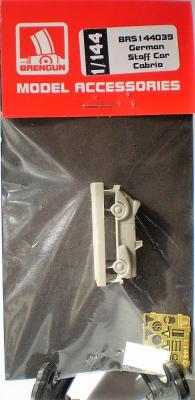
Longtime readers of IPMS/USA reviews will know that I tend to prefer the tiny stuff. So it shouldn't come as too big a surprise that when Brengun released some accessory items for those of us that build in a diminutive scale (1:144) that I put in my bid for this kit review. 'Kit Review' may be too strong a phrase as these small German Staff Cars 3D printed, in resin, and come as one piece. The only assembly of the actual car is to remove it from the casting block. It should be noted that these cars represent an Opel Admiral Cabriolet, circa 1938.
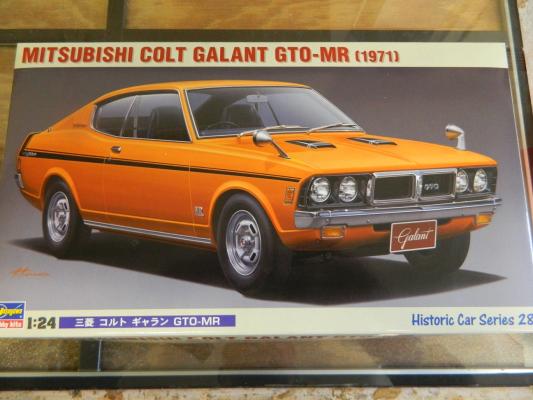
This is a review of the Hasegawa Mitsubishi Colt Galant GTO-MR.
Engine
No engine. It’s curbside kit.
Interior
Interior is wonderfully engraved and the supplied upholstery decals fit well. Didn’t even have to paint some of the parts.
Body
Body was crisp and clean with no flash. I had hoped to just polish the plastic but there were swirls in the roof so it had to be primed and painted. I used Tru-Color sun orange which is pretty darn close to factory color.
Chassis
The suspension parts are separate from the chassis pan as is the exhaust system. Some of the parts are pretty small and care must be taken when working with them.
Instructions
The instructions are several pages long with suggested paint color for specific parts.
This was a very enjoyable kit to work on. Thank you to IPMS for allowing me to review this kit.
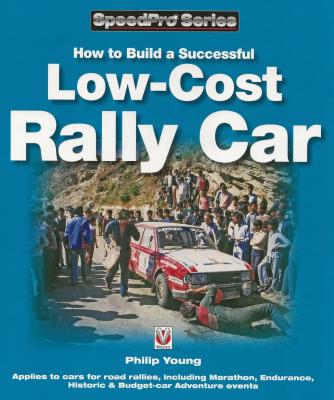
Veloce Publishing has issued a number of books in their SpeedPro Series that illustrates practical automotive performance tips and advice. This softcover book conations 96 pages of honest and engaging information on “How to Build a Successful Low-Cost Rally Car.”
It is first and foremost a primer that shows you how to enter the field of long-distance endurance racing on a budget but it also has information and close-up photos of the kinds of modifications that can be used to recreate an authentic replica of those spartan race cars in scale.
The book is British-centric and many of the automotive terms like bonnet and windscreen (just as the races are) are prevalent but are easily understood from context so it’s still a pretty easy read.
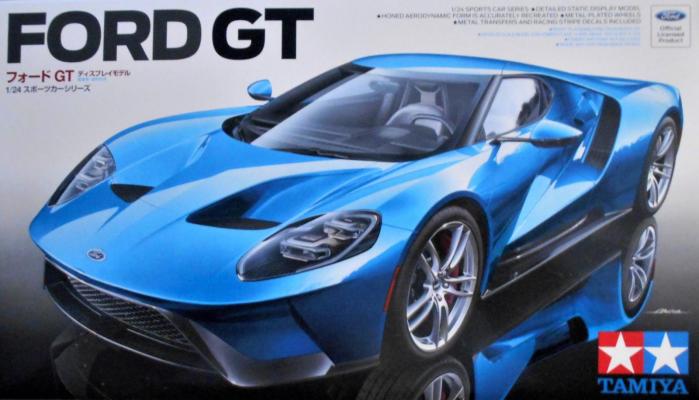
The new Ford GT is a stunning supercar that competes favorably with the best of the breed at a price that the competition hasn’t seen in in a decade. Tamiya, not wishing to be left out of the fray has produced a similarly gorgeous replica of the car in scale for the advanced builder.
There are a lot of things to love about the kit and some things that could be improved, but in the end; if you want a great looking model of this superb car this the best example on the market.
Construction begins with the rear and forward body panels and you’ll quickly discover that you can’t use tube glue or the parts will not fit together. Thin liquid cement or thin superglue are needed due to the tight tolerances of the pieces and miniscule glue points. Reminiscent of the over-engineered 60’s kit that saw us trying to keep the front end together with a one-millimeter dot on the end of a tie rod, these joins require concentration and sparing use of adhesives.
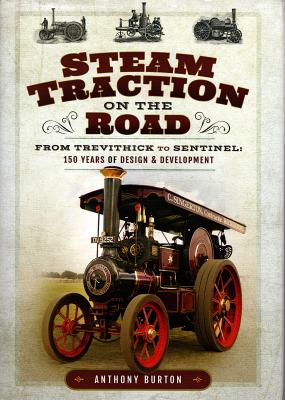
Steam Traction on the Road is a historical description of the development of steam power and the engineers and manufacturers that created steam vehicles. The book includes a nice description of the people that designed steam vehicles in addition to the steam engines themselves. The book’s focus is on steam engines in England, but also includes some mentions of steam vehicles in America and other countries.
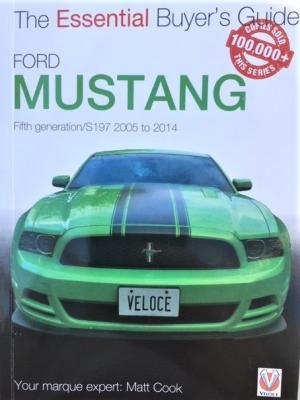
It’s nice when a product delivers what it promises as this book does. As the title implies this is a buyer’s roadmap to purchasing a fifth generation (2005 to 2014) Ford Mustang also known as the S-197 bodied cars. Mustang fans were thrilled when this body style was reveled in 2004 because it harkened back to the sharp angular lines of 1965-67 Mustangs that established the “Ponycar” paradigm. The 2011 model year was especially anticipated as it marked the return of the 5.0 liter V8. As the proud owner of a 2013 Mustang GT as well as a lifelong fan of this iconic car, I was intrigued by what this book offers.
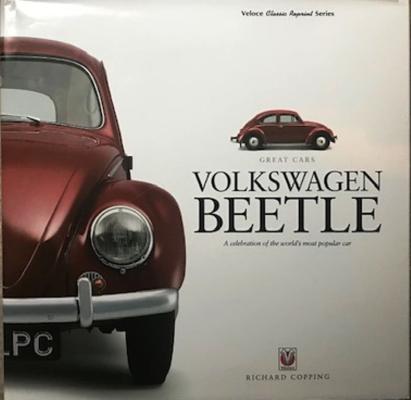
The book goes into great detail of the development, service, variants and full history of a classic car which is one of the world’s most popular cars ever produced. I have always loved this little car, with great memories of traveling in one when I was a child in the Sixties. The book is a wonderful treasure trove of pictures that I have ever seen before and even though I thought I knew a lot about this car it has so much more history and facts I never heard before.
Also, it is written by a very professional and knowledgeable author of lots of articles I have read and enjoyed before. The car's history goes back to Wartime Germany in the late 1930s and goes on till today! The car was the brainchild of the great car designer Ferdinand Porsche and was to be the Peoples car of the Third Reich under Hitler, hence Volkswagen (Peoples Car).