
Battle of Malta
History
The Island of Malta is strategically located in the center of the Mediterranean Sea, halfway between Africa and Italy, as well as Egypt and Gibraltar. During WWII, the British felt it vital to hold onto the island as a base for both the Royal Navy and Royal Air Force to conduct offensive missions. Despite this, the island was poorly garrisoned during the early part of the War, as the British forces were spread thin across Europe as well as defending the homeland from a potential German invasion. All that could be spared for aerial defense was a handful of Gloster Sea Gladiators, left in storage by the Royal Navy and hastily brought out by the RAF in 1940. These few airframes were the sole defense for Malta for several weeks while the Italian air force conducted bombing raids against the islands, and they soon entered legendary status with the nicknames Faith, Hope, and Charity.
The Kits
ICM had previously released the Sea Gladiator in 1/32 scale, and this new boxing from them pairs it with its principal fighter opponent during 1940, the Fiat CR.42. An Italian sesquiplane fighter that entered service during 1939, the CR.42 was maneuverable, but slow and lightly armed. The CR.42 was a good match for the Sea Gladiator though and operated with some success where fighter opposition was not strong. The ICM CR.42 kit was previously reviewed by Gino Dykstra; he also reviewed the Sea Gladiator.
In this release, both kits are contained in the same box, but each is separately wrapped. Also included in the box are two sets of instructions and two decal sheets, one for each model. The color schemes for the Sea Gladiator are the same as those found in its individual release, including one relevant to this set. The CR.42 has an additional option specifically for this set as compared to the initial release.
Gloster Sea Gladiator
The Sea Gladiator has seven plastic runners, including one clear with both open and closed canopies, and has two runners specific to the Sea Gladiator version. This version has an under-fuselage insert for the arresting hook housing, the hook itself, a three-bladed metal propeller, and other assorted parts.
Construction overall is very easy, a hallmark of ICM kits nowadays, though the detail is somewhat simplified for the scale. Should you wish to add more details, there are various aftermarket sets available in all different media. The cockpit is simple but effective, and the fold-down cockpit entry door can be posed open. Instrument panel decals are included and these feature separate instrument decals to go over the raised details, which aids with placement compared to a one-piece decal. I added only a set of kabuki tape seatbelts to the cockpit.
I especially liked the engine, which is a nice little model in itself. The modeler can choose to build the cowling with side panels open, which will allow all that nice detail to be seen. Note that the Malta airframe had its arrestor hook removed as it was an unnecessary weight; the under-fuselage dinghy housing was also omitted.
The only real issue I had was in placing the cabane struts, which have a rather vague fit for their inserts. This is critical for the proper alignment of the upper wing, and it took a bit of fiddling to get them to set in place. The rigging diagrams supplied are a bit vague and I had to refer to photos for help. Please note that my model does not feature a full set of rigging; it is so complex that I was losing the will to live and as the rigging is not actually necessary to review the parts, I decided to cut it short. My apologies to ICM for that.
I finished the model in the suggested Malta option, which was for Sea Gladiator N5519, based at Hal Far in June 1940. Color callouts are for ICM’s paints, though this model was finished with a mix of Vallejo paints to represent the Temperate Sea Scheme with counterstaining employed on these aircraft. The black under the port lower wing was added by the RAF during the erection of the airframe. The decals went on with no issues and settled nicely over the raised detail and only a couple of places required a little softener. Overall, a nice build though I personally found attaching the upper wing and the rigging to be rather frustrating.
Fiat CR.42
The CR.42 kit is made up of six plastic runners, including one clear runner. Again, detail is nice but not comprehensive, and construction was easy again. The Fiat has little rigging and a very robust set of interplane struts, so construction here was a lot less fraught than on the Gladiator! The engine is another nicely detailed sub-assembly and, again, ICM offers the opportunity to leave off the side panels to show off that detail.
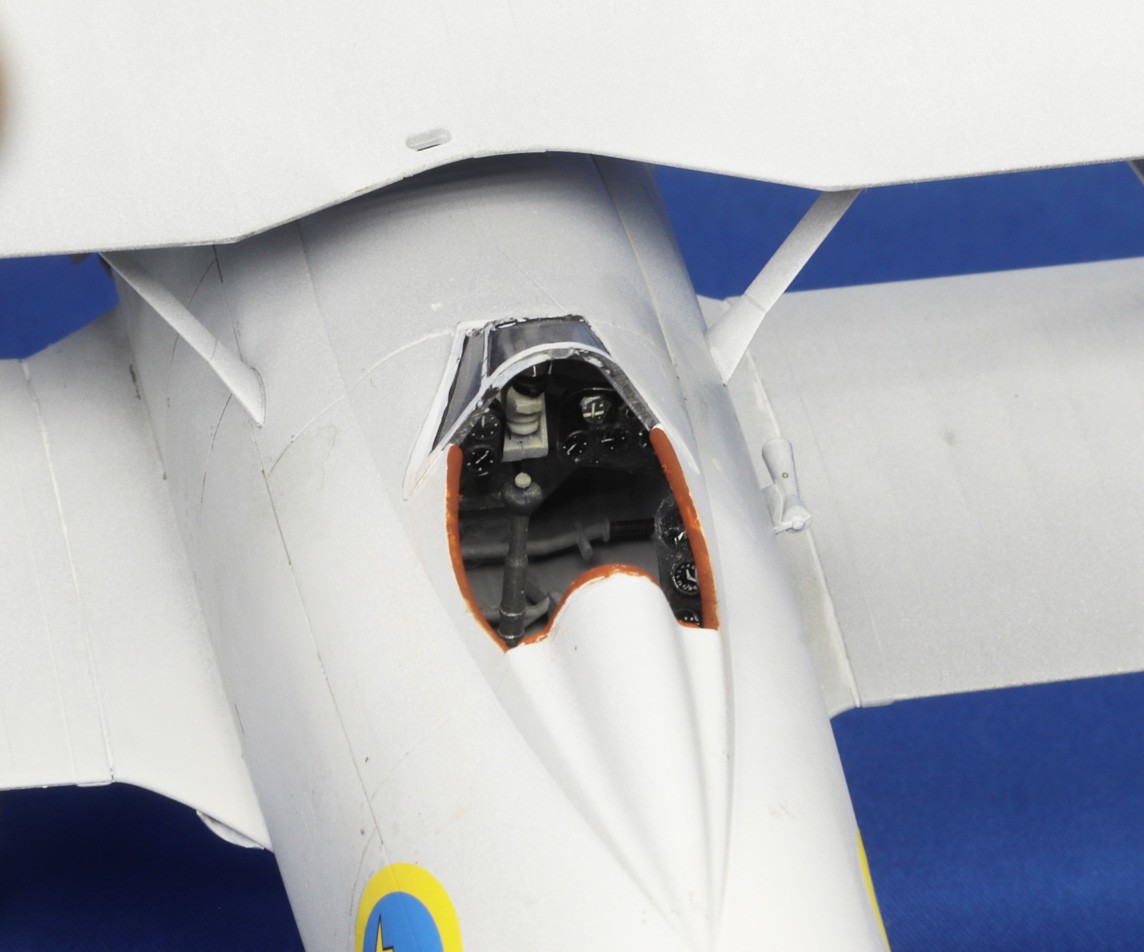
The cockpit has a tubular cage to which the seat and other items are attached, which all looks very effective, especially considering the small cockpit opening. Again, the instrument panel has separate instrument decals, and the only addition I made was a kabuki tape seat harness.
The kit offers four marking options, including one based on Sicily during the summer of 1940. This has a very complex camouflage scheme, and I should apologize to ICM for not being able to complete the model in that scheme as intended. I badly messed up the mottling and, in searching for a solution, I realized that the CR.42 was used by the Swedish Air Force, and that these planes had a temporary winter camouflage of overall white. So I laid down an uneven coat of dirty white over the messed-up camouflage and added some appropriate Swedish markings from my spares box. Of course, this should not detract from the kit itself, it just highlights my poor skills!
Conclusion
To summarize, these are a pair of genuinely nice kits that build up into good-looking models. I like the theme, something ICM does well with their armor kits, but I think this is the first time they have offered an aerial pair that hearkens back to the days of Airfix’s Dogfight Double sets! I hope that they will release some more of these in the future, as they offer excellent value compared to buying separate kits.
My sincere thanks to the fine folks at ICM who continue to bring us high-quality products despite the best efforts of certain individuals.
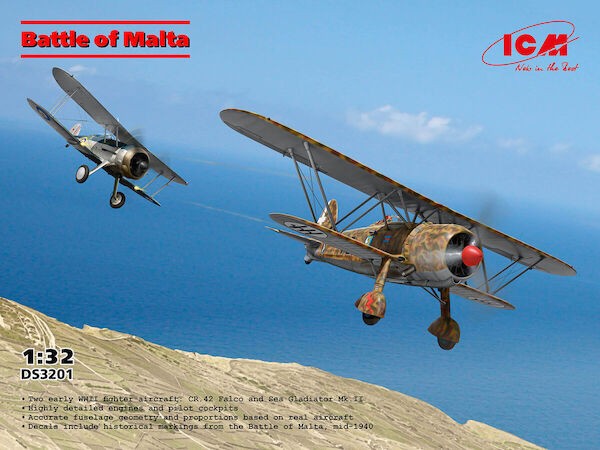

Kit Instructions for both planes
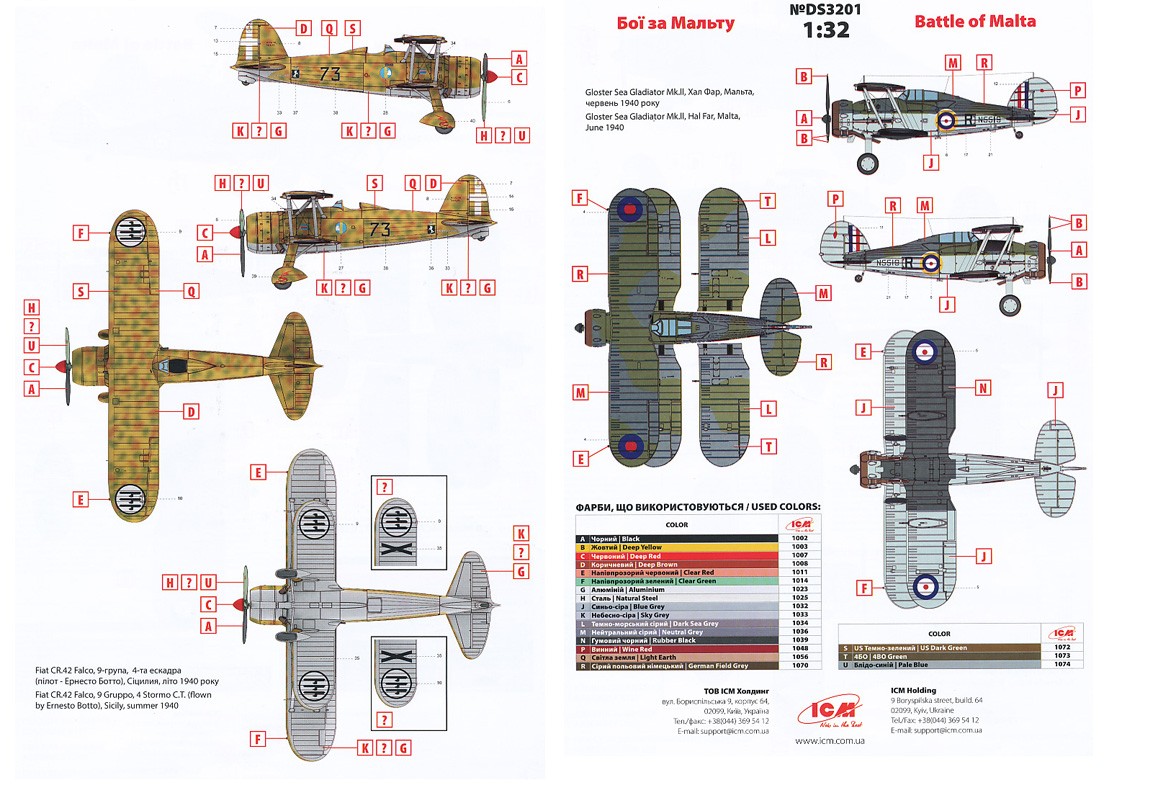
Kit paint schemes for both planes
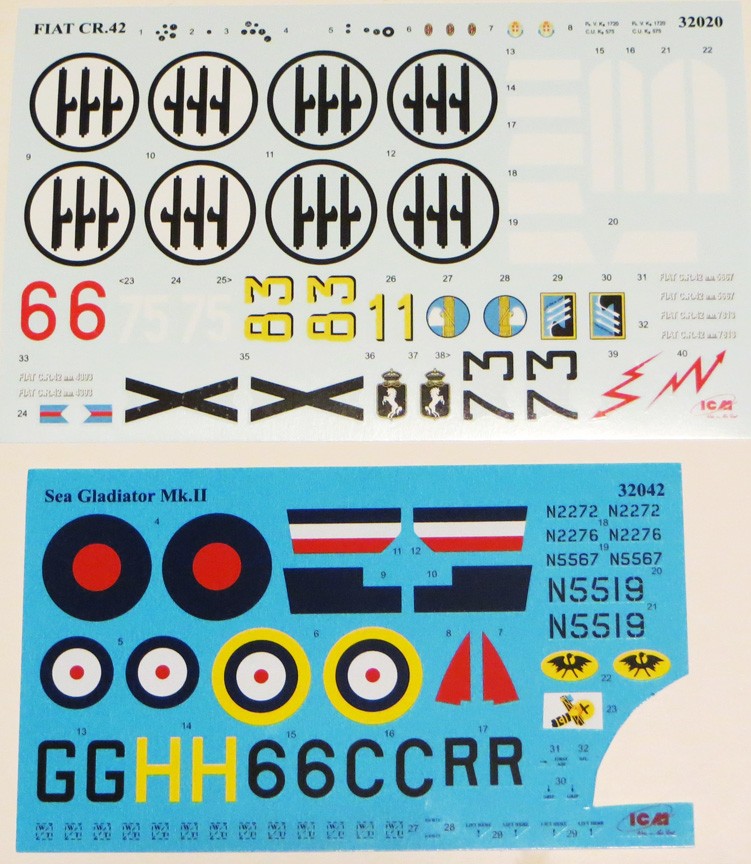
Decals for both planes
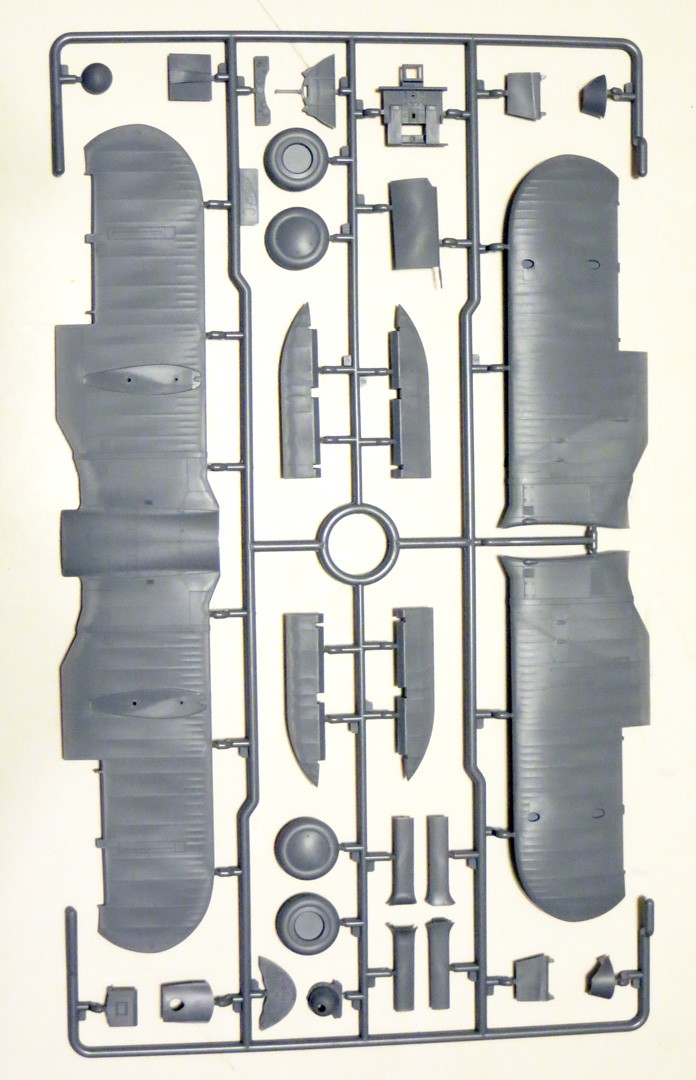
Gladiator Parts 1
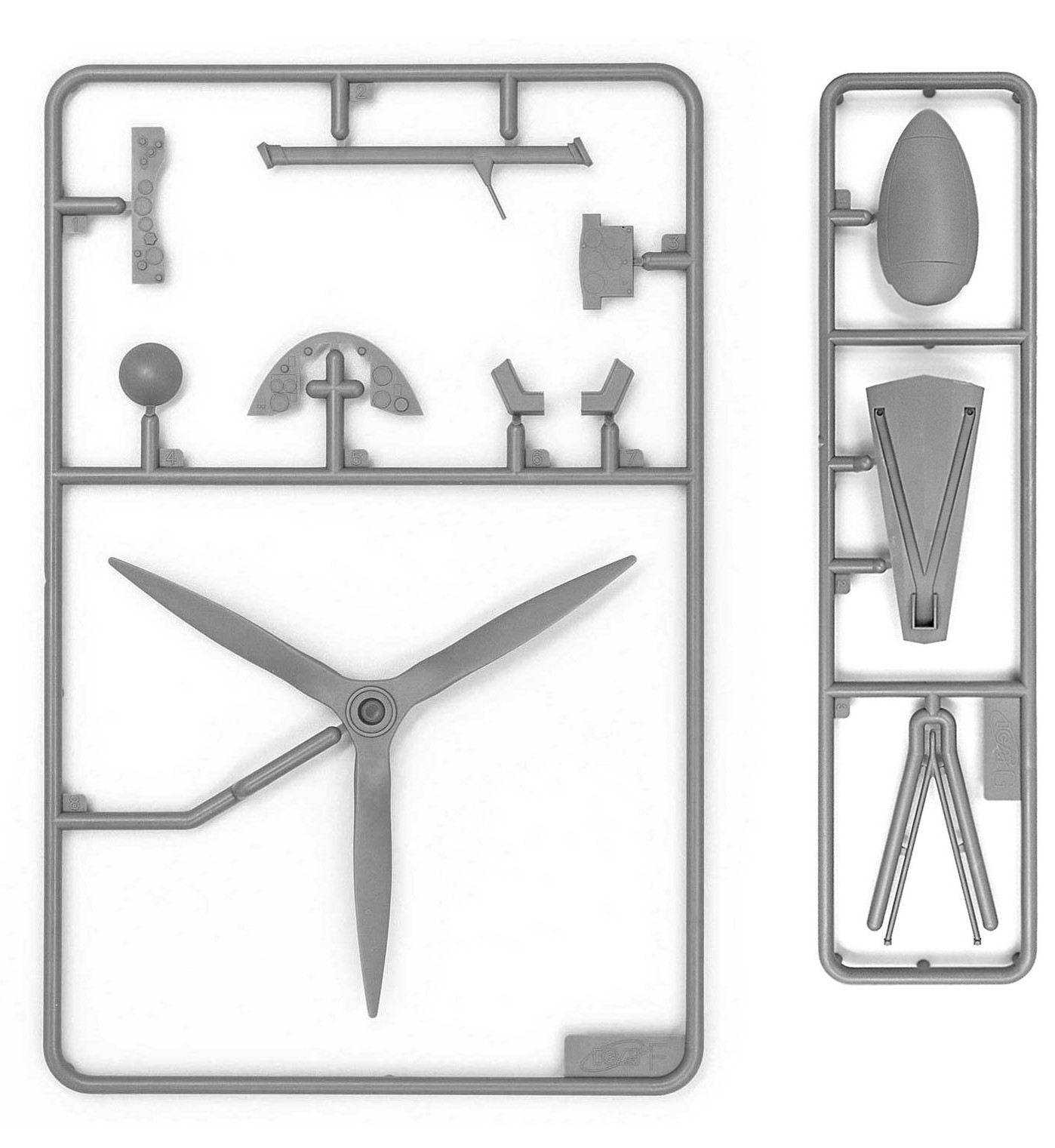
Gladiator Parts 2
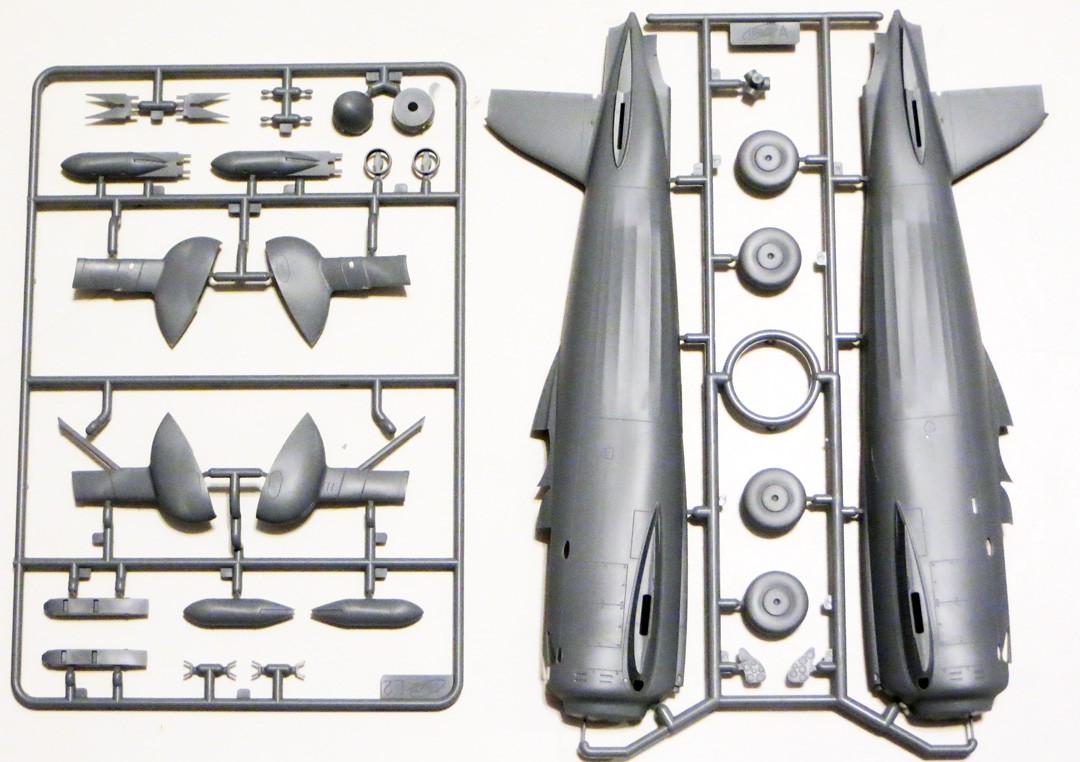
Fiat Parts 1
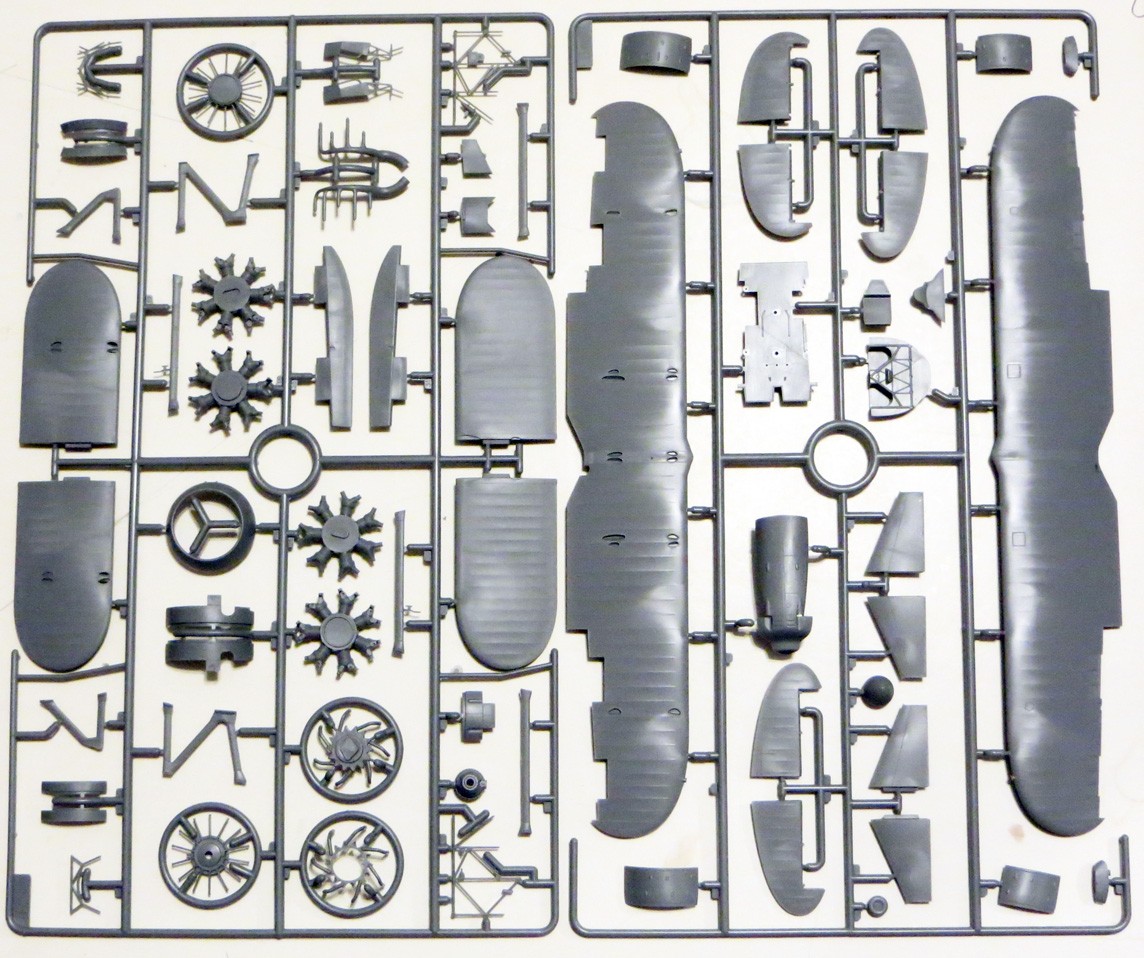
Fiat Parts 2
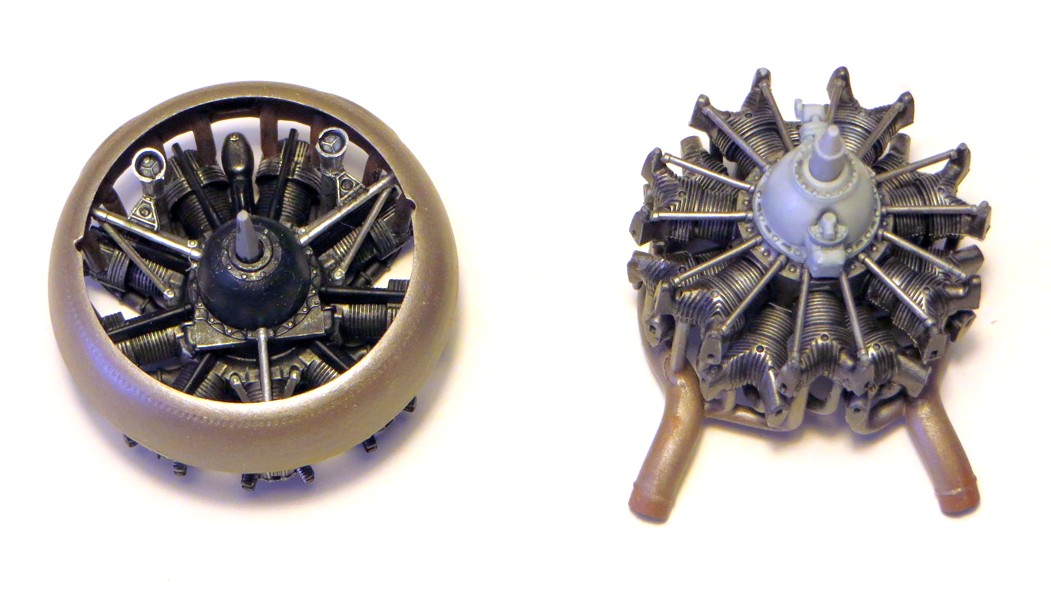
Both Completed Engines
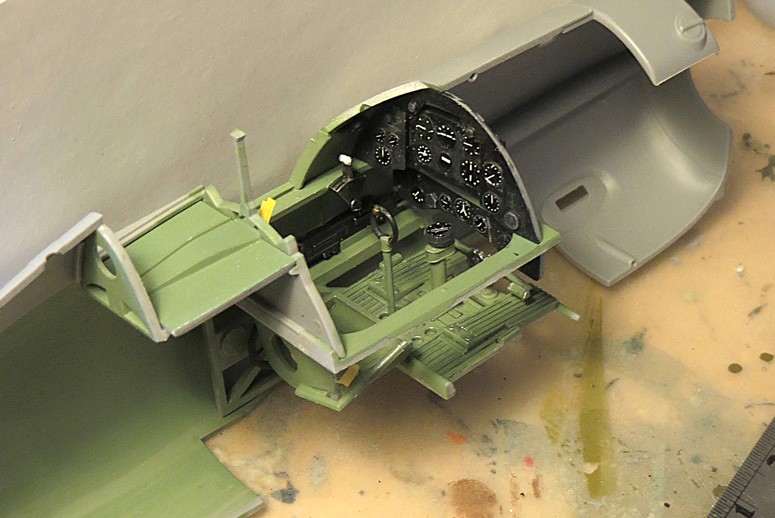
Gladiator Cockpit - In Progress
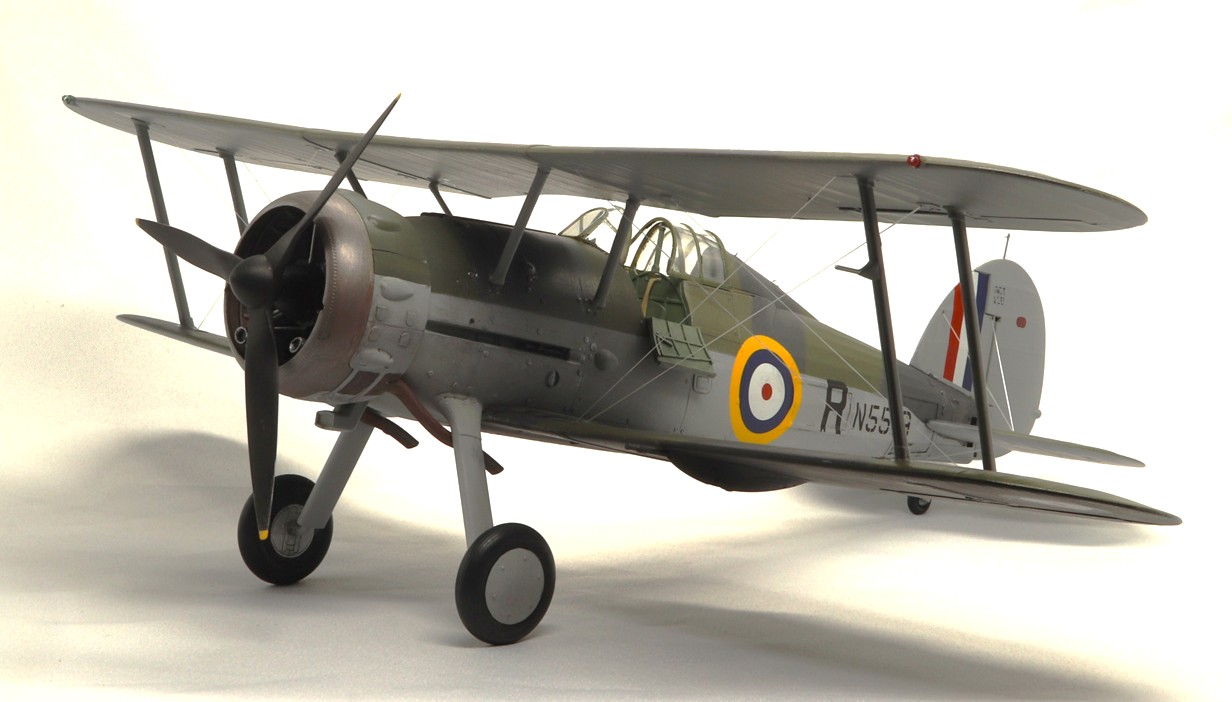
Gladiator - Front-Left View
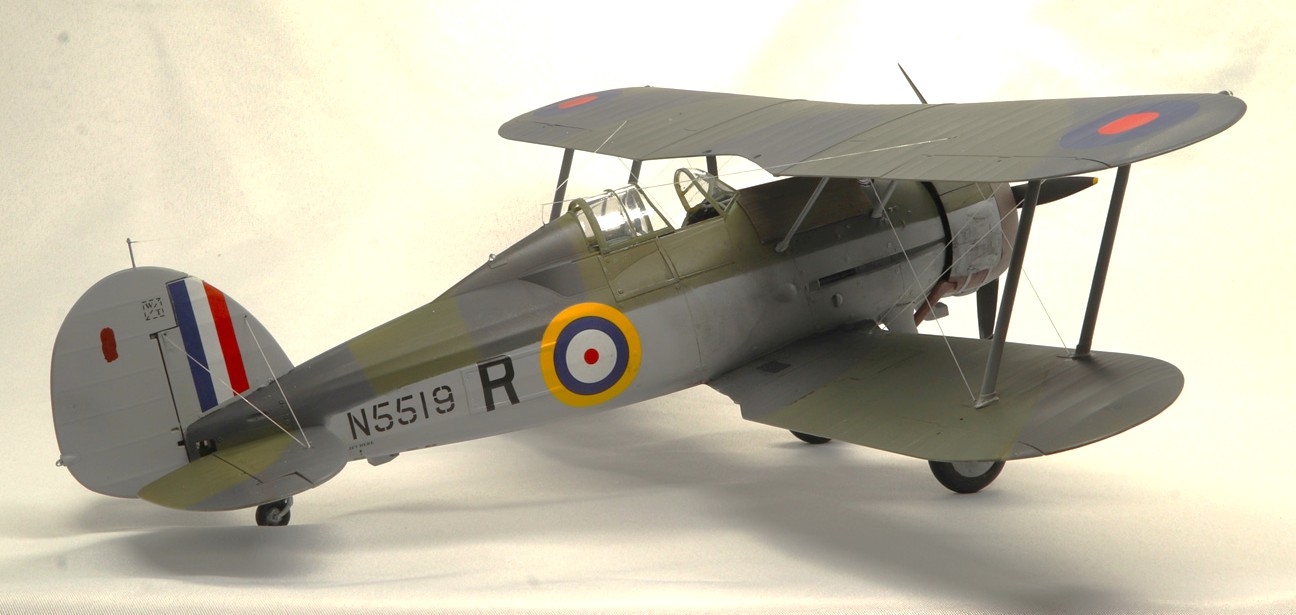
Gladiator - Right Side View
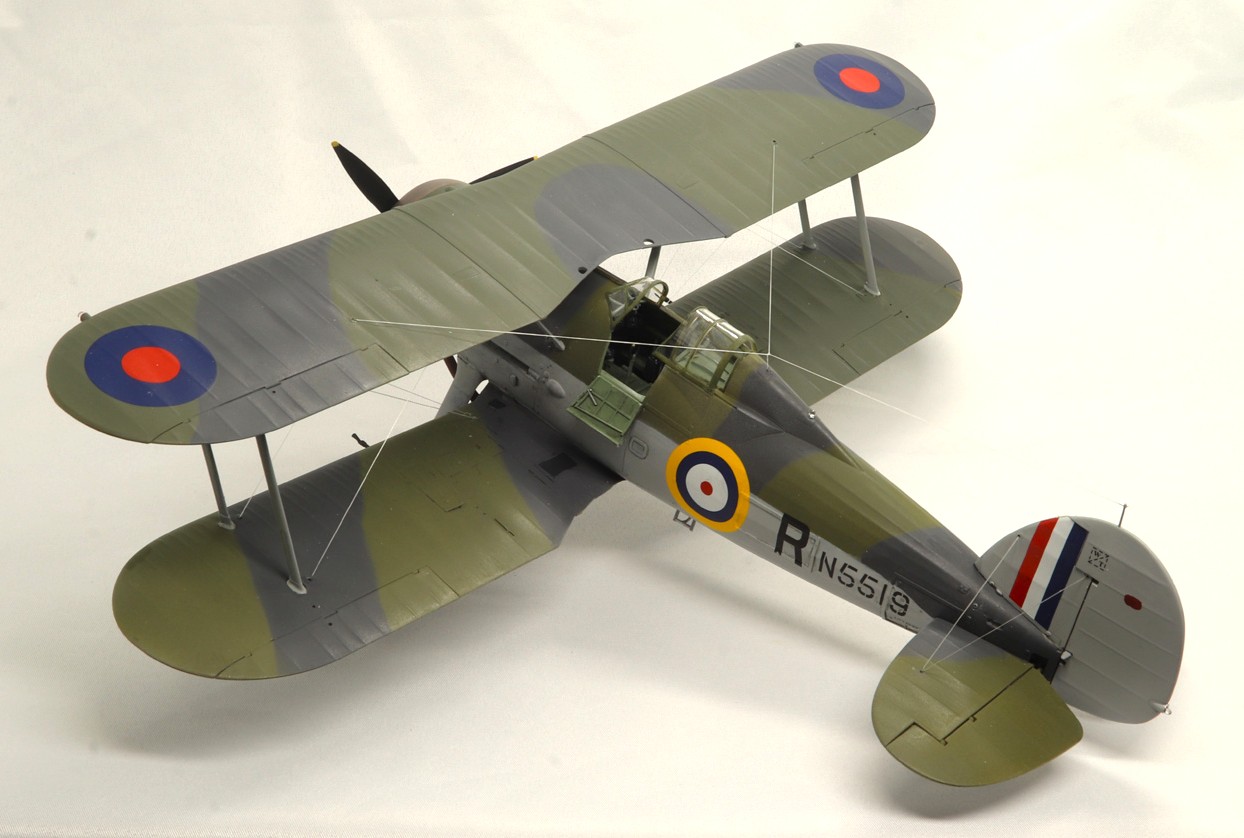
Gladiator - Top-Left View
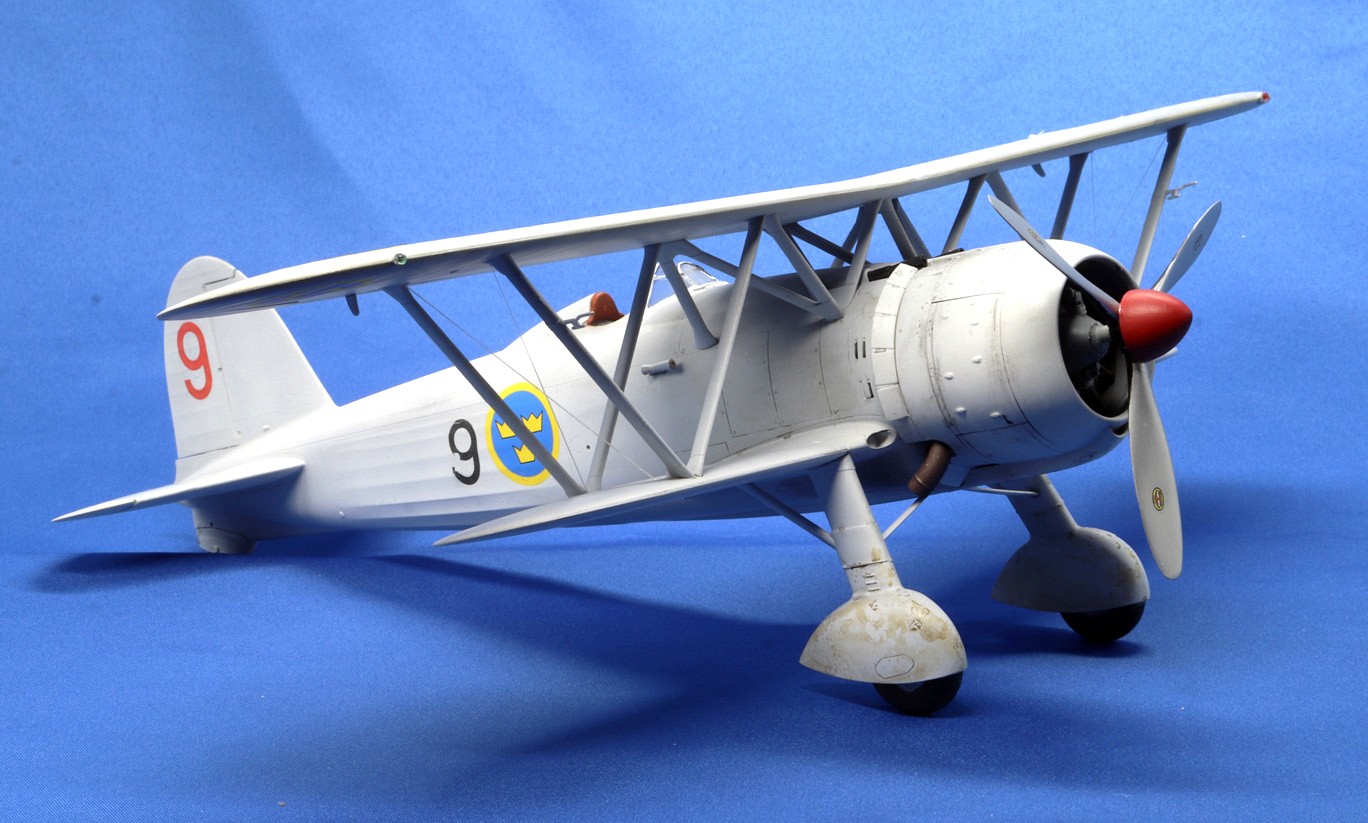
Fiat - Front-Right View
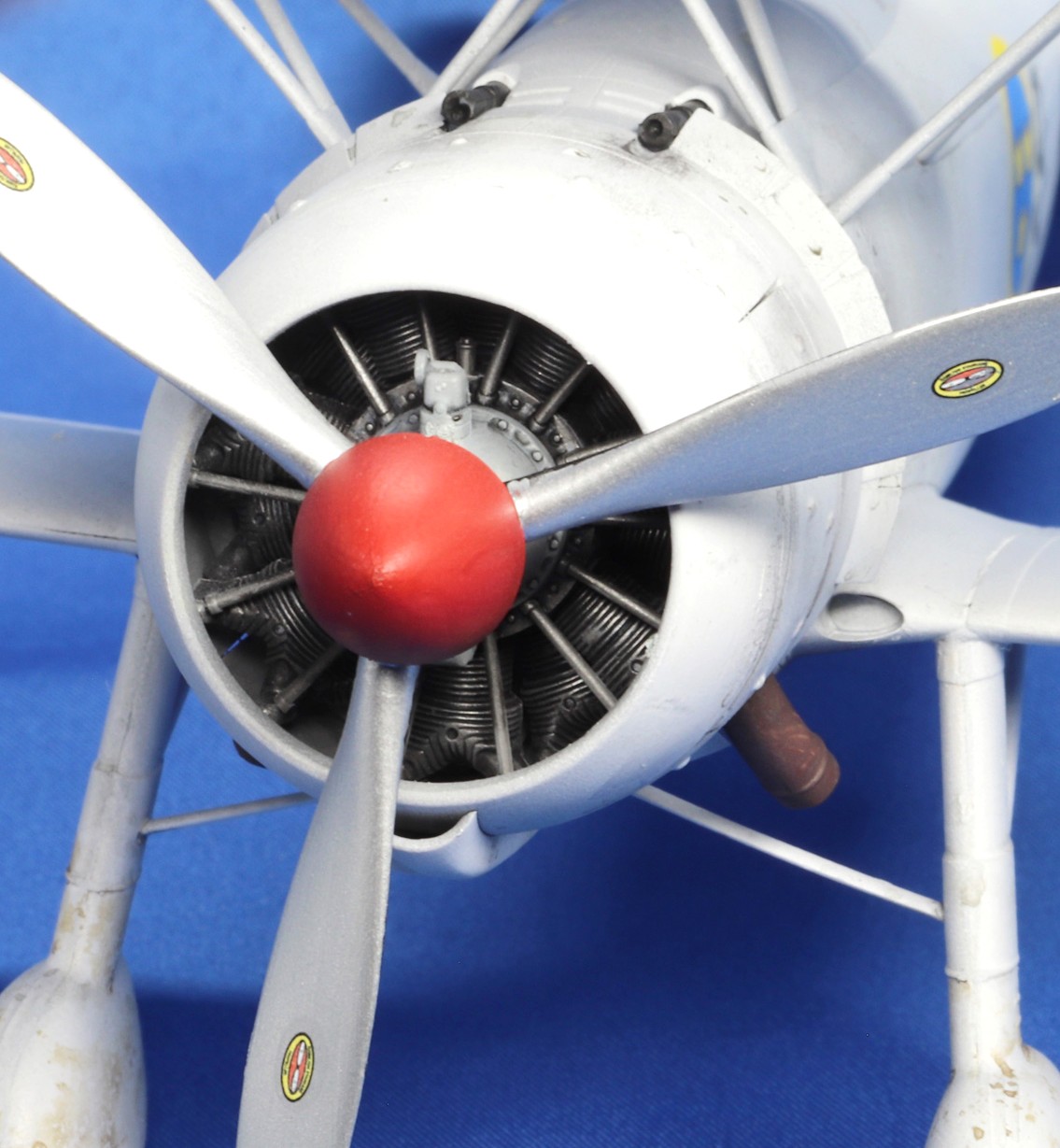
Fiat - Front View
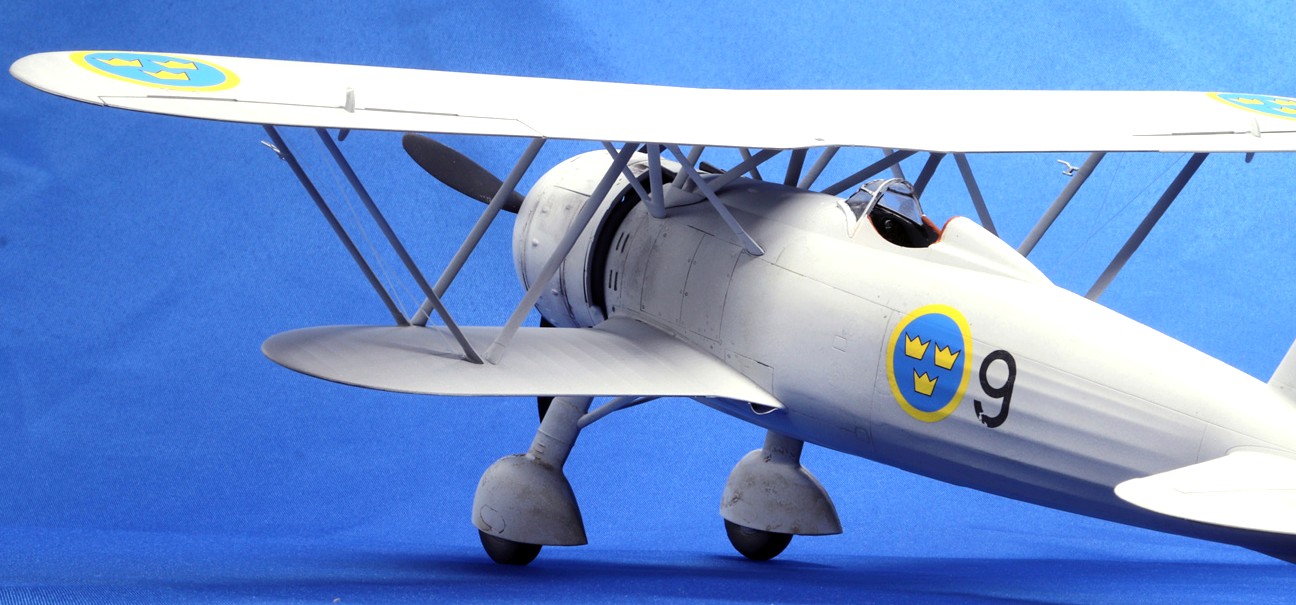
Fiat - Left Side Closeup
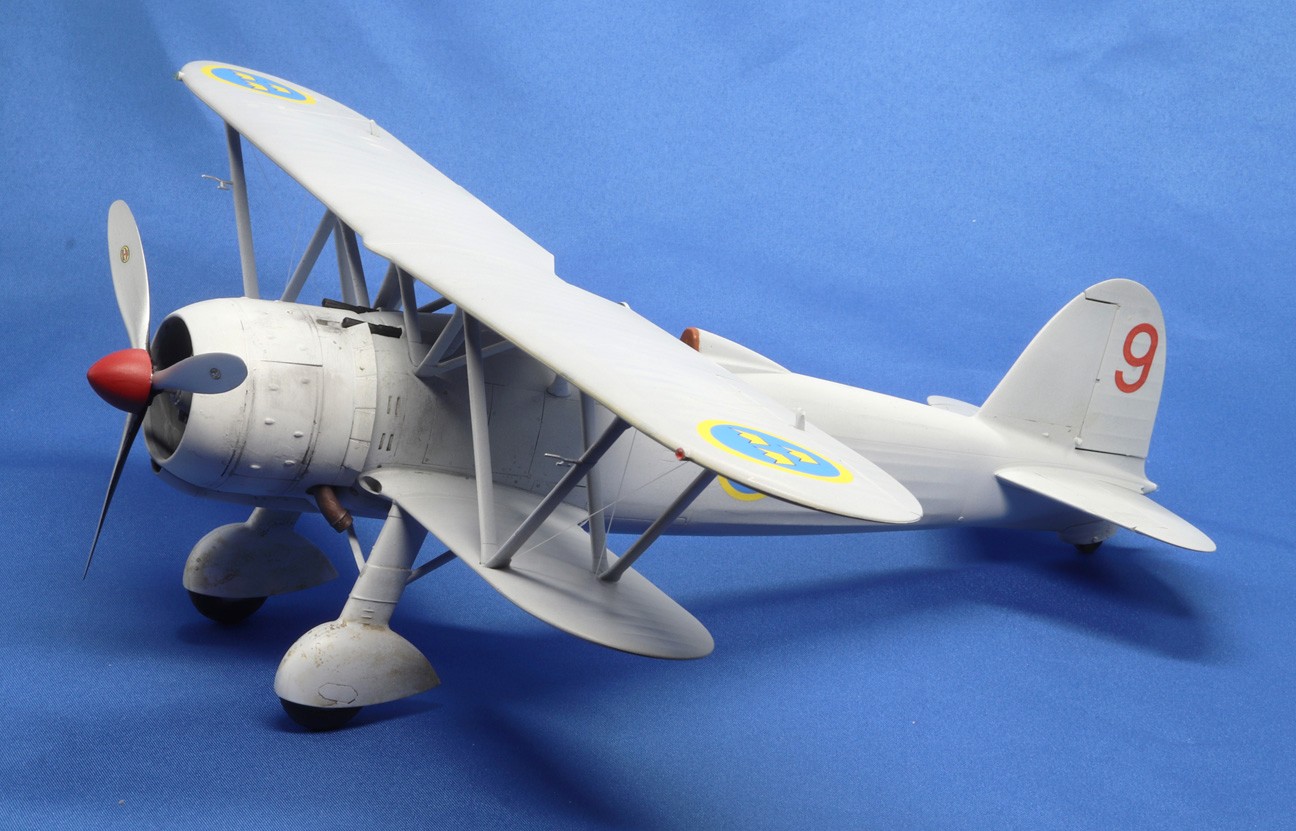
Fiat - Left Side View
Comments
Add new comment
This site is protected by reCAPTCHA and the Google Privacy Policy and Terms of Service apply.
Similar Reviews