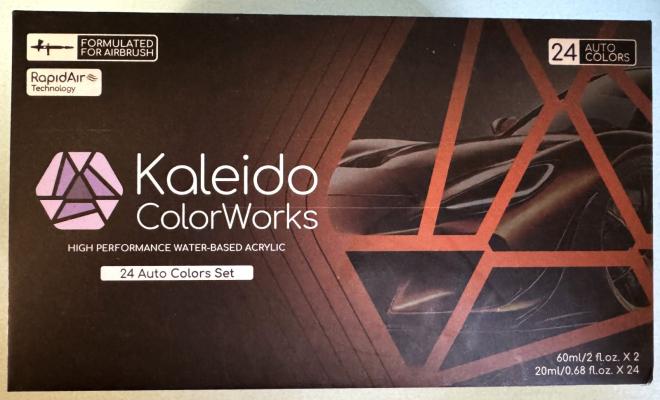
The IPMS-USA recently began receiving items for review from Gaahleri. The company is relatively new and first introduced airbrushes and has since expanded into the production of their own line of paints. Kaleido ColorWorks is their premium sub-brand of water-based paints, which are developed with RapidAir Technology. In addition to all the individual colors, Gaahleri also has sets of paint available for consumers.
What's New
The IPMS-USA recently began receiving items for review from Gaahleri. The company is relatively new and first introduced airbrushes and has since expanded into the production of their own line of paints. In addition to their individual and sets of paints, they have also released their own Cleaner, which can be used on both paint brushes and airbrushes. This cleaner is advertised as being non-toxic, odorless, non-flammable, and safe for the environment by Gaahleri.
The Kaleido ColorWorks Cleaner used in this review came packaged in a 210ml (7.1fl oz) bottle that sells reasonably at $9.99, which is comparable to other airbrush cleaners. I have successfully used the Cleaner for the Gaahleri ColorWorks Metallic paints as well as several of their Auto Colors. While the Cleaner does a nice job with initial cleaning, I continue to use a Lacquer Thinner for the final cleaning, and when I first added this to the “clean” color cup, I did force out a small amount of paint residue.
History
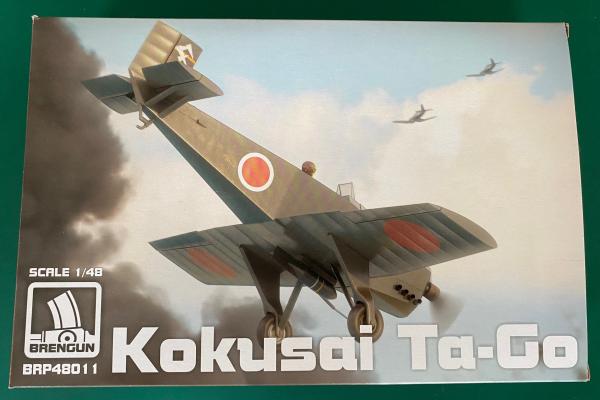
The Kokusai Ta-Go (Ki-128) was a dedicated Kamikaze attack plane designed to use non-strategic war materials in its construction. Developed by Captain Yoshiyuki Mizuyama at the Japanese Army Aerotechnical Research Institute in Tokyo, his idea was to produce a simple aircraft that could be produced in small workshops. He initially had some issues in getting his design approved and produced by the Tachikawa company at first. After having some production setbacks, he went to the Nippon Kokusai Company, which eventually gave him the backing to move forward with his project.
The aircraft utilized wood, plywood, and fabric for its design. Powered by a simple Hitachi Ha-47 110HP air-cooled engine, this provided the aircraft with a top speed of 120mph. Its only armament was a fixed 100kg bomb. The aircrafts design was to have folding wings to be utilized in being housed and launched from caves along the coast towards American forces.
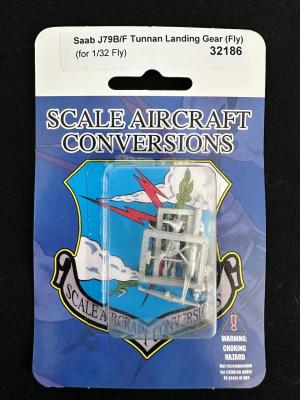
When I received this set, I thought the parts were too small to be 1/32 scale. Turns out the Tunnan has a round fuselage with all the gear contained within it. This allows for very short landing gear legs. SAC appears to have duplicated the kit parts in their usual soft white metal. My research indicates the landing gear in the base kit is tricky to install, so don’t expect the fit you might get from other brands these days. I also read comments about the need for stronger main gear legs since the completed model has a bit of heft to it.
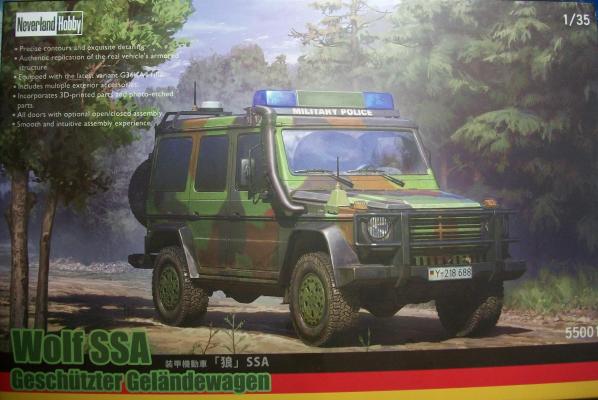
Neverland Hobby has provided this beautiful new tool release of the German armored version of the classic G Wagen, in this 1/35 scale.
- Ten Tan Sprues
- One Clear Sprue
- One Photo Etch set
- One Mask set
- One Decal sheet
- Six rubber tires
- Six rubber bushes
- One Metal foil decal sheet
- Set of four 3D printed resin parts
- One Instruction guide
The detail quality is excellent in every way with this kit; crisp and detailed molding, as I have seen on other Neverland Hobby kits.
The Assembly is quick and easy.
You must select which version you are going to build before you start, I chose version -B based on a vehicle on Kabul service in 2009.
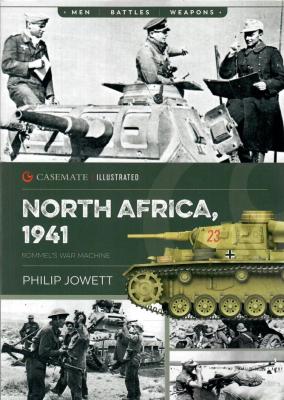
As 1941 dawned, the British were mopping up the last Italian strongholds in Libya after seven months of fighting. The outnumbered British Western Desert force of 30,000 men had effectively defeated an Italian force of 250,000. The British had captured hundreds of thousands of Italian soldiers, plus hundreds of tanks and artillery pieces, and several thousand valuable trucks, and pushed the Italians out of Egypt and then across the coastline of Libya until they controlled only a small section of western Libya.
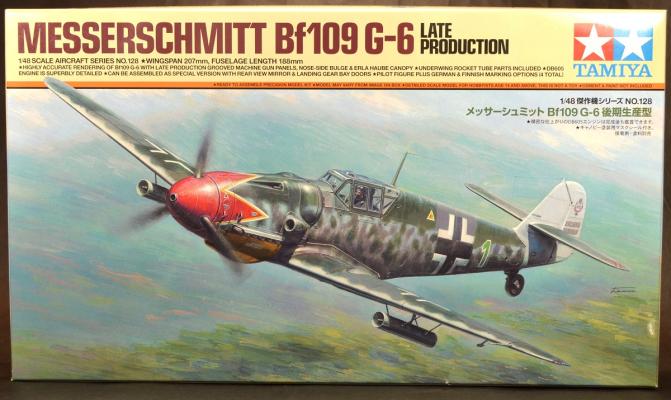
The kit is enclosed in a top‑opening box (typical of Tamiya), with excellent artwork adorning the package. In addition to the regular plastic sprues, there are poly caps, metal washers, two magnets to allow the engine cowling to be displayed open or closed, and a printed masking sheet for the clear parts (note: the builder must cut these out).
The instructions are well illustrated, easy to follow, and contain 40 steps for assembly. There are also two sheets of painting guides (printed in 1/48 scale) covering five marking options.
For painting reference, Tamiya lists their own paint line, but it is easy to cross‑reference other paint brands online.
The decals are in perfect registry with vibrant colors. Some builders may consider the clear film to be thick, but this is typical of Tamiya kit decals.
Five sets of markings are provided for the following aircraft:
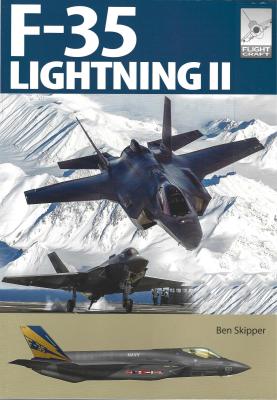
This is part of a series of books by FlightCraft on aircraft and I have a few of these and are truly indispensable when building a model of the subject matter.
This book goes into great detail on the F-35 fifth Generation fighter. There are a few versions of this aircraft all covered in this book.
The contents of the book are as follows:
- Introduction
- Design and Development
- Key Technical Systems
- Power Systems
- In Service
- Camouflage and Markings
- Modeling the F-35 Lightning
- Showcase Products
I found the Key Technical Systems section most interesting section to me and learned a lot about the aircraft systems.
The modeling sections were also very informative. There are a few builds highlighted including the Tamiya, Academy, Italeri, and Trumpeter Kits.
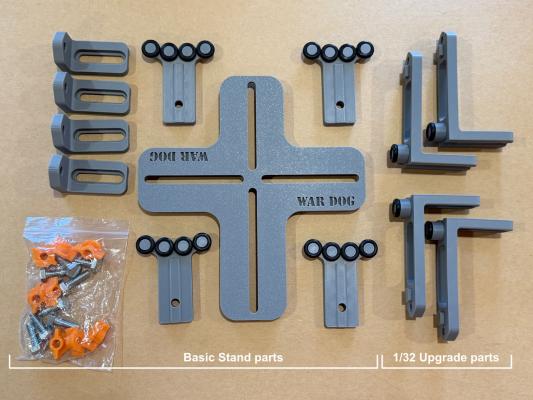
In 60-plus years of modeling I’ve never had a “modeling stand” except what I’ve hand made or jury-rigged, Rube Goldberg style. This is the first “store bought” rig that I’ve owned, and I’m glad I waited until now.
Reviewer’s Comments:
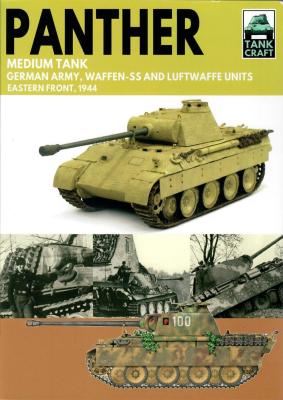
TankCraft 46, Panther Medium Tank, German Army, Waffen-SS and Luftwaffe Units, Eastern Front, 1944 details the Panther tank, officially the Panzerkampfwagen V Panther (Pz. Kpfw. V, Sd. Kfz. (Sonderkraftfahrzeug) 171, during the largely defensive battles on the Eastern Front during 1944. As the author states in the Introduction,
“At the beginning of 1944, the German armies in the East had lost much of the territory that they had overrun in the spectacular advances of 1941 and 1942. In the north, Leningrad was still surrounded but was being resupplied, and the city was no longer under any serious threat. Most of modern-day Ukraine east of the Dnipro River was now in Soviet hands and in the south the Red Army had occupied the Perekop Isthmus, cutting off Generaloberst Erwin Janecke’s 17. Armee in Crimea.