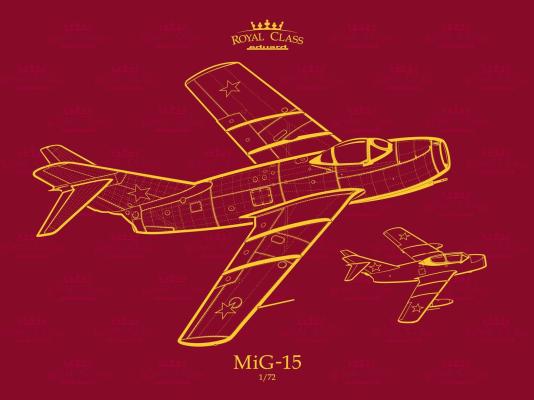
The MiG-15 turned out to be a nasty surprise for United Nations pilots when it first appeared in the skies over North Korea. While it and the F-86 Sabre shared many design features, they each had their strong points and weak points, that when used properly made them difficult adversaries. The MiG-15 became a symbol of Soviet prowess in the early 1950’s and was used by air forces all over the world, many of them serving into the 1980s or beyond. MiG-15s were not only built in the USSR, but also in Poland, Czechoslovakia and China.
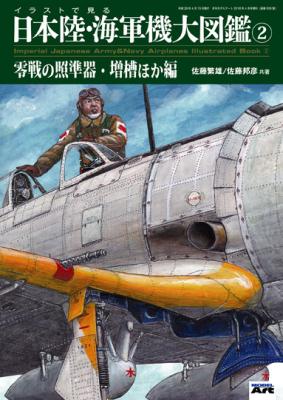
With the text printed in Japanese, we are basically presented with a large picture book. Featuring extractions serialized in the Monthly Model Art magazine. Looking at the beautiful illustrations of the Japanese land, naval aircraft and the equipment one can easily tell it has been diligently researched with documented detail and precisely reproduced. I’ve listed a small sample of the topics:
- Type 98 gun sight in several variations
- Type 100 gun sight in several variations
- Torpedo sights and sighting equipment
- Specific drop tanks for fighters
- Wooden rose tank construction
- Type 89 gun camera
- Type 1 gun camera
- Mitsubishi F1M auxiliary floats and construction
- Hasegawa 1/32 Shoki
The Bottom Line: It’s a great reference book, I highly recommend it. I would like to thank Model Art and IPMS for the opportunity to present this fine publication.
History
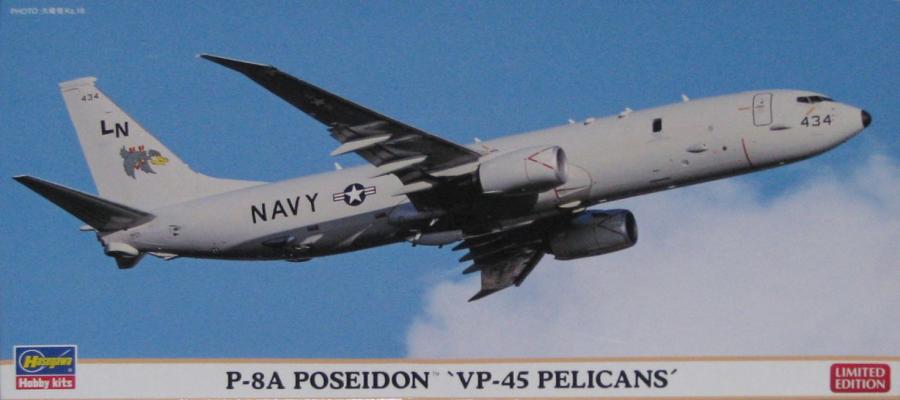
Introduced in November 2013, the P-8A Poseidon is the latest multi-mission maritime aircraft traditionally flown by the US Navy. In contrast to the piston engine-powered P2V Neptune and the turboprop-powered P-3 Orion, the P-8A is propelled by twin high-bypass turbofan engines. Each engine is equipped with an electric generator to power the P-8A's extensive array of onboard electronics.
The Kit
Inside the box you will find 4 light grey and 1 tinted sprue of plastic, a decal sheet and an instruction fold out. The plastic is cleanly molded and has some very nice raised and recessed detail. The decal sheet is printed very nice with a semi-matte finish.
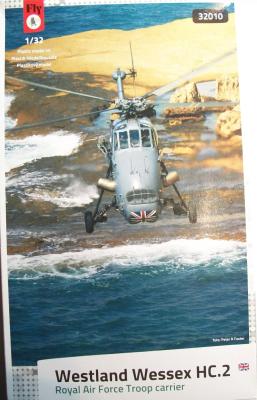
When I was offered the opportunity to review this kit, I jumped at the chance. Growing up in the UK, the Wessex was a familiar sight at airshows and at Airports. The kit looks great and when you open the box the size and amount of detail is fantastic!
In the box is:
- 7 x light grey sprues
- 2 x clear sprues
- 2 x Photoetched details parts
- 1 printed paper set of seats and seat belts
- 1 decal sheet
- 1 instruction booklet
- A lot of resin parts!
All the sprues are extremely well molded with super fine details. The plastic is a little softer than I like. A big drawback is the sprues have no part numbers on them so you have to keep turn back to the front of the instruction manual to ensure you are getting the right part from the right sprue!
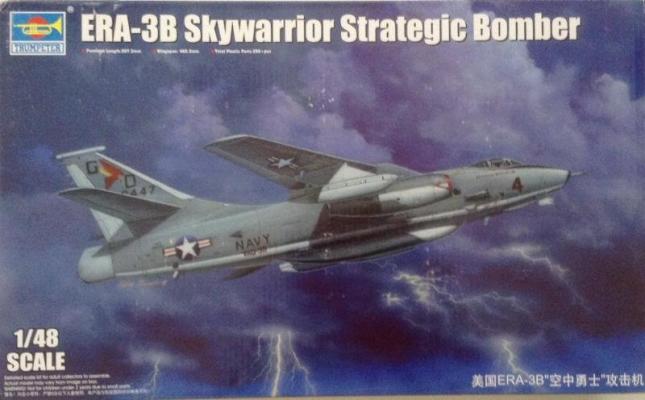
This is the third and final installment, “Full Build,” of Trumpeter’s Douglas ERA-3B 1/48th scale variant to be released by Trumpeter in 2016. The plane depicts the US Navy, VAQ-33 ‘Firebirds’, ERA-3B, 104/GD BuNo. 146447. The ERA-3B variant was converted from the RA-3B variant as an electronic aggressor aircraft serving with the VAQ-33 and VAQ-34.
This was a full model build straight out of the box with no aftermarket accessories added. The model was based upon the US Navy, VAQ-33 ‘Firebirds’ plane as seen on page 49 in the A-3 Skywarrior in Action Book, Jim Sullivan, Aircraft Number 148, Squadron/Signal Publications. Sullivan’s depiction of the picture states that this plane is sitting on the flight line at NAS Oceana Virginia on 12 May 1977.
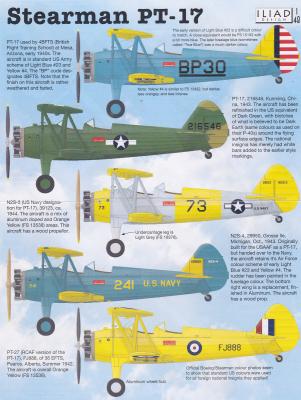
I’m a sucker for oddities and non-standard schemes when it comes to finishing my model aircraft. I saw the Iliad designs offering for Stearman PT-17 airframes and thought this is the set for me. I was pleasantly surprised to see Iliad design proved a full set of five decal options. So you have five kits in your stash? You’re covered in this one set. Along with a very nice color representation of the each aircraft scheme Iliad Design goes the extra mile to describe any non-standard colors or more specifically non-stand color shades. Each scheme as one would expect come with a short description of each aircraft.
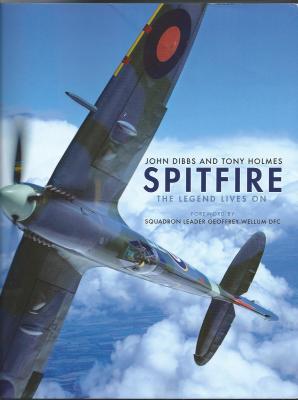
March of 2016 marks the 80th birthday of the Spitfire design. Like its American counterpart the P-51, the Spitfire is the most numerous survivor of its country’s WWII fighters both on display and flying! As the years go by we lose more and more of those who were there and flew these machines in the last great global conflict. Soon they all will have passed into history. Their machines though will live on to tell the story.
Each of the Spitfires discussed in this book has a service history. Whether found behind a hangar, unearthed or recovered from crash sites on land and in the sea, they have been lovingly rebuilt. Some seemingly from only a few remaining usable parts.
We are given a beautiful, large book equally at home in the library or on the coffee table! We are given the histories of these survivors. This is accompanied by both photos of the restored aircraft as well as photos of said aircraft in service.
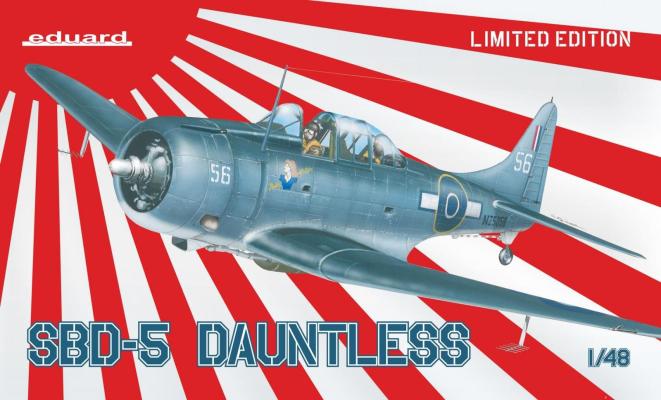
Eduard continues its “full meal deal kits” this time with Accurate Miniatures 1/48th scale SBD-5. For those who haven’t seen them, Eduard takes a very good kit, adds resin, photoetch and masks and bundles it into one solid kit. Let’s look at the contents. First, the highly detailed Accurate Miniatures SBD-5 kit. The full kit is here with all the parts including optional position canopies, nice engine detail and wonderful engraved detail. There was the barest flash present on a couple parts only. The resin parts for this include the tires which have two optional outer hubs, a tail wheel and parts for the gun. The decals are from Cartograf and have five excellent options. Markings are provided for the following:
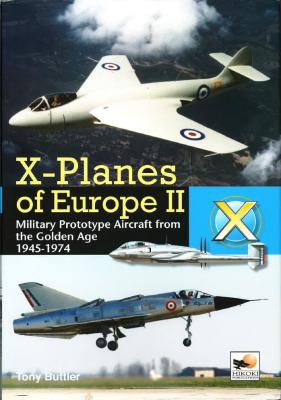
Tony Buttler was born in 1956, and joined High Duty Alloys in Redditch in 1974 as a metallurgist. For nearly 20 years he was closely involved in the testing of aluminum and titanium airframe and engine components for many of the world’s most important airplanes. It was during this timeframe that his interest in military aircraft grew into a passion. Since 1995, Tony has been a freelance aviation historian, with this book being his eighteenth major release. He has also written many titles for the Warpaint series of monographs as well as many articles for most of the popular historical aviation magazines.
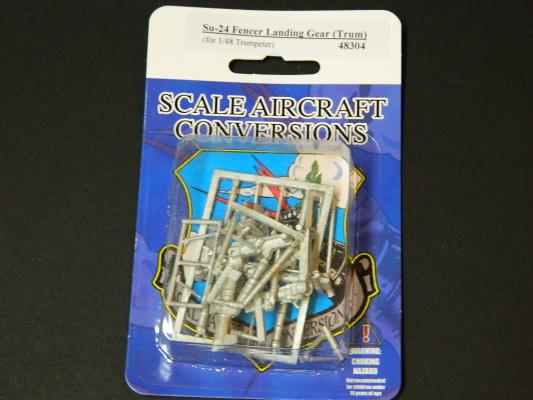
Ross at SAC just keeps cranking these things out. THANKS VERY MUCH for sending IPMS USA another of your expansive line of metal landing gear, and thanks also to IPMS USA leadership for sending it on to me to review.
This is the now-expected, much improved upgrade to the kit plastic. The real SU-24 has a complex landing gear which is, per Russian standard, designed to allow the aircraft to operate from less-than-optimal runways. Trumpeter has done a great job in emulating their design engineering, but due to the limitations of injection molding, has turned the already complex gear into a more complex assembly. The main gear consists of one core (either metal or plastic, builder’s choice), two strut halves, two gear swing arm halves with axles, and detail parts and struts. To their credit, they include metal gear in the basic kit, which, when complete, does a great job of holding up this large aircraft (It’s the size of an F-111… that’s pretty big for a figher bomber).