
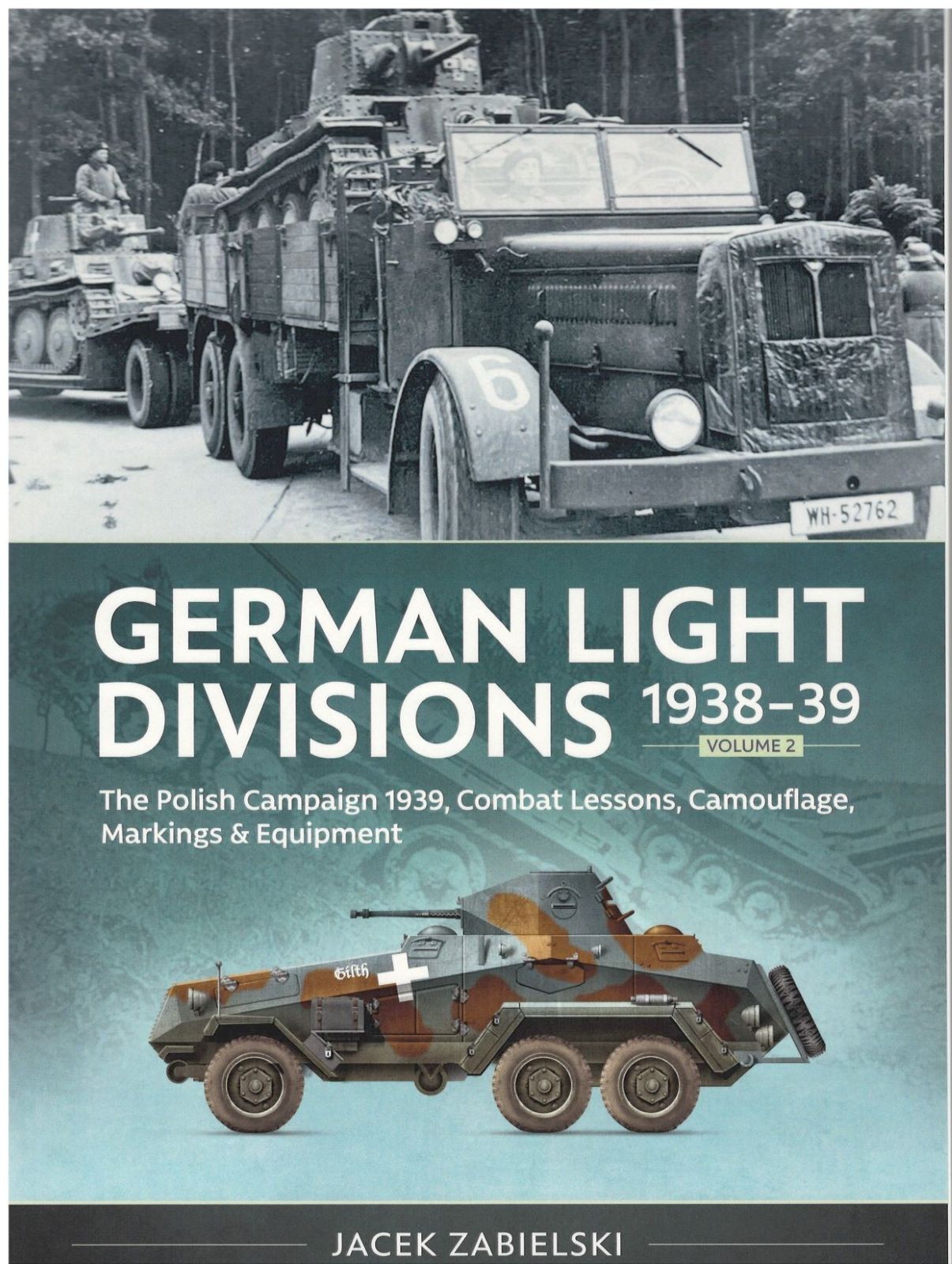
German Light Divisions 1938-39 Volume 2: The Polish Campaign, Combat Lessons, Camouflage, Markings & Equipment
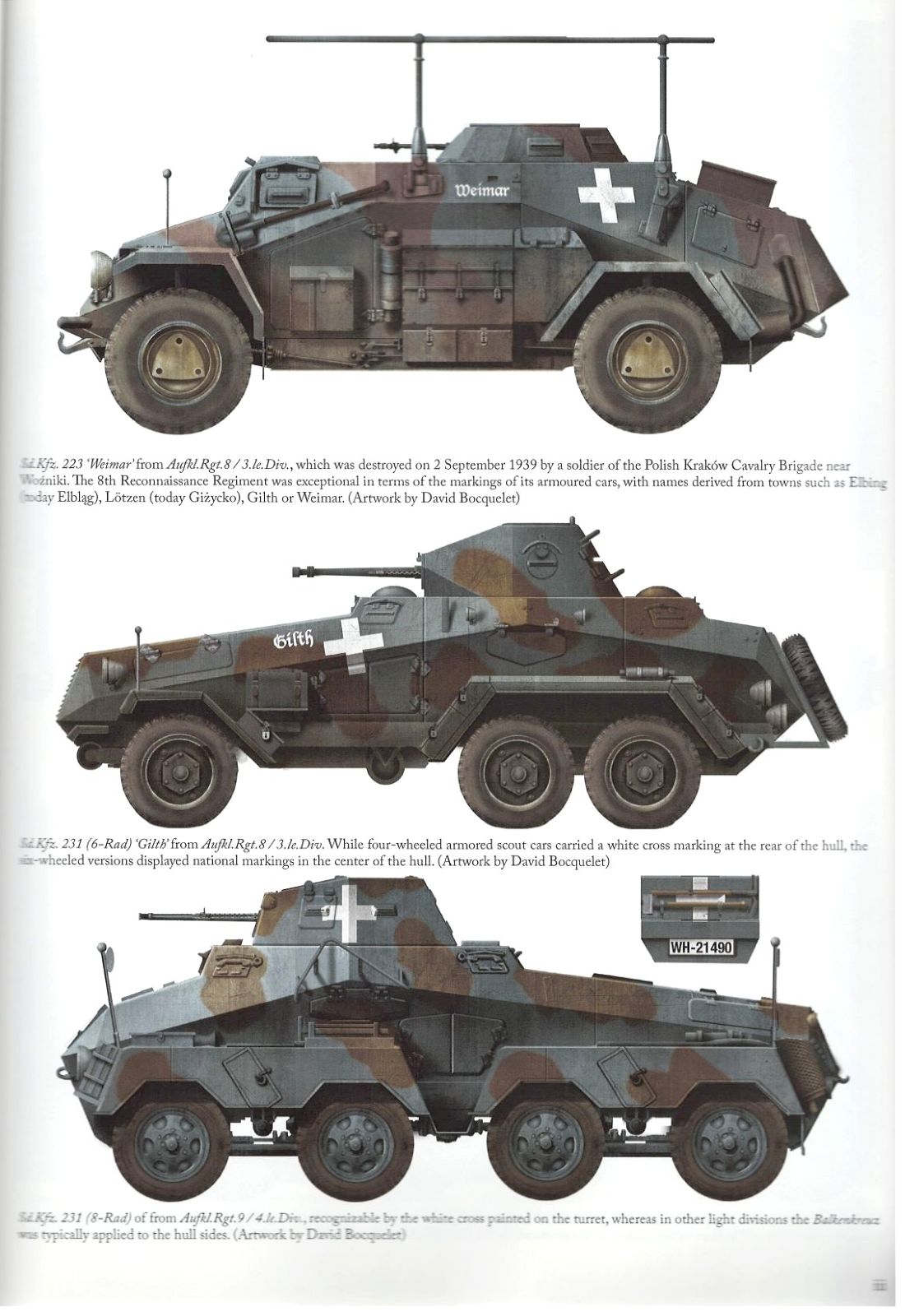
Helion is a prolific publisher of military history based in the United Kingdom. This two-volume set provides an overview of the formations, equipment, and actions of German light divisions from 1938 through the end of the Polish campaign. As with all Helion offerings, they are paperback but professionally produced. Each volume is full of beautifully reproduced black and white photographs, campaign maps, drawings of tables of equipment and organization, as well as several color profiles of German vehicles in this time. The first volume covers the formation, armament, and pre-war deployment. The second volume is devoted to the Polish campaign with additional information on camouflage, markings, and the continued evolution and ultimate dissolution of the light divisions.
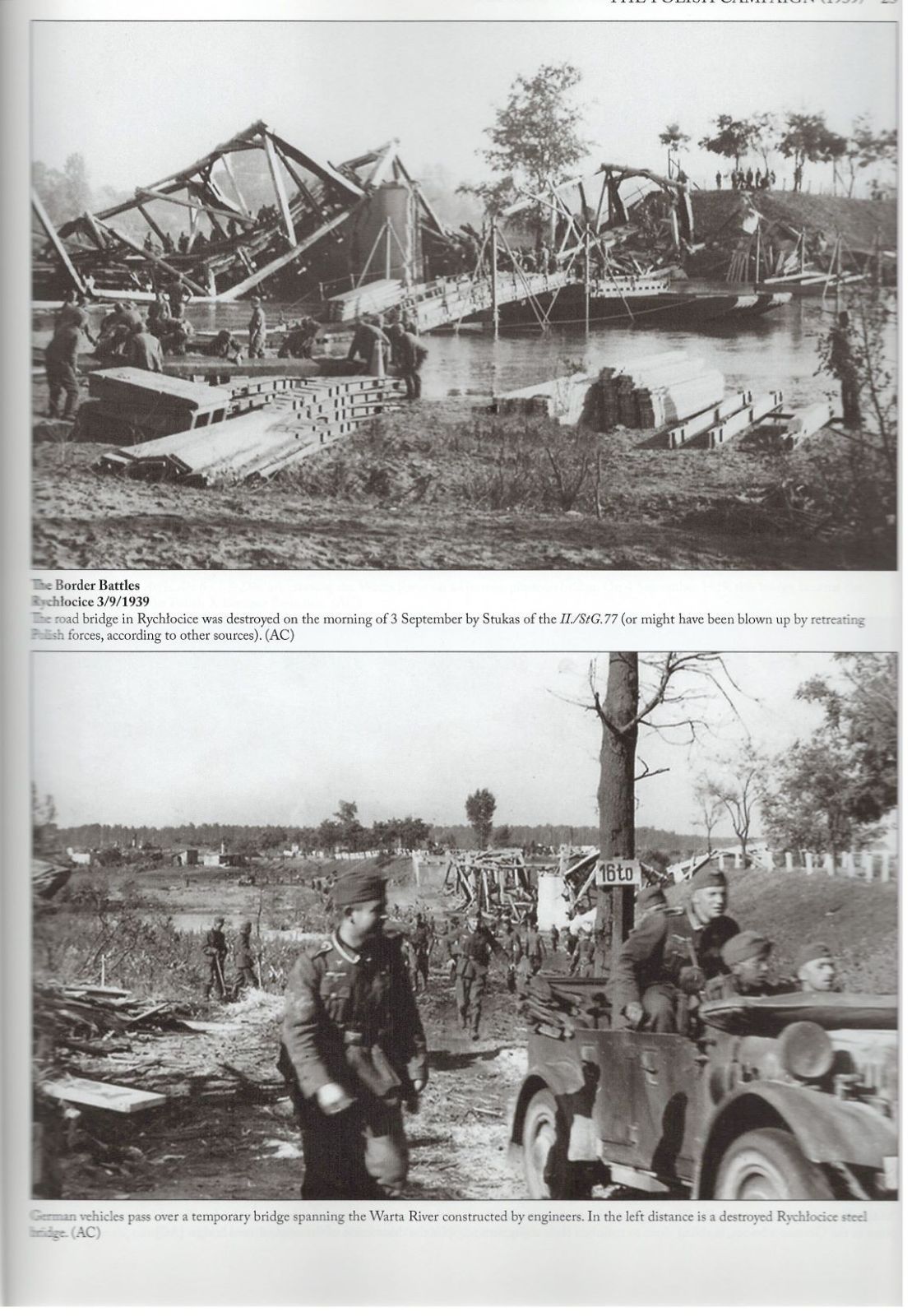
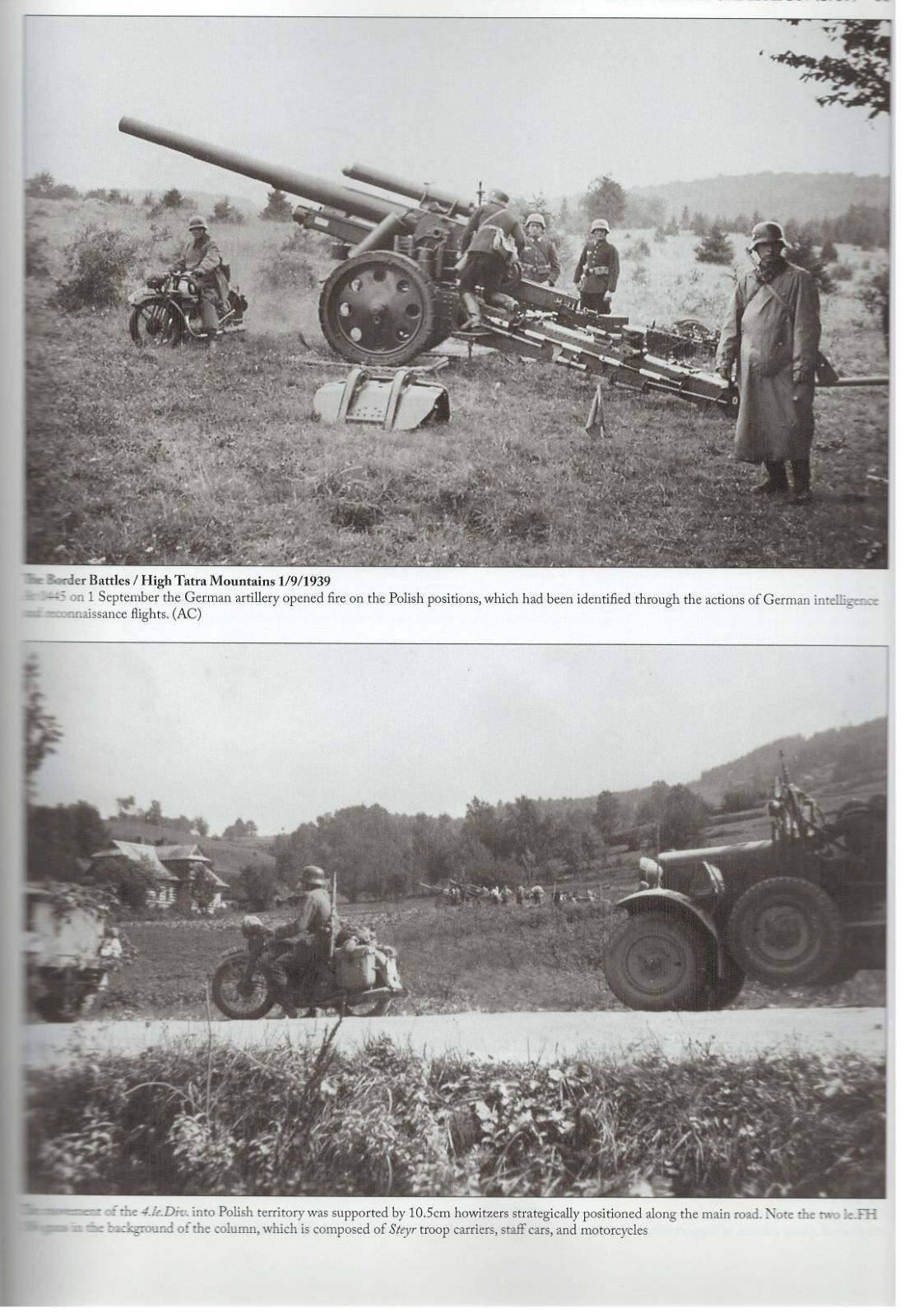
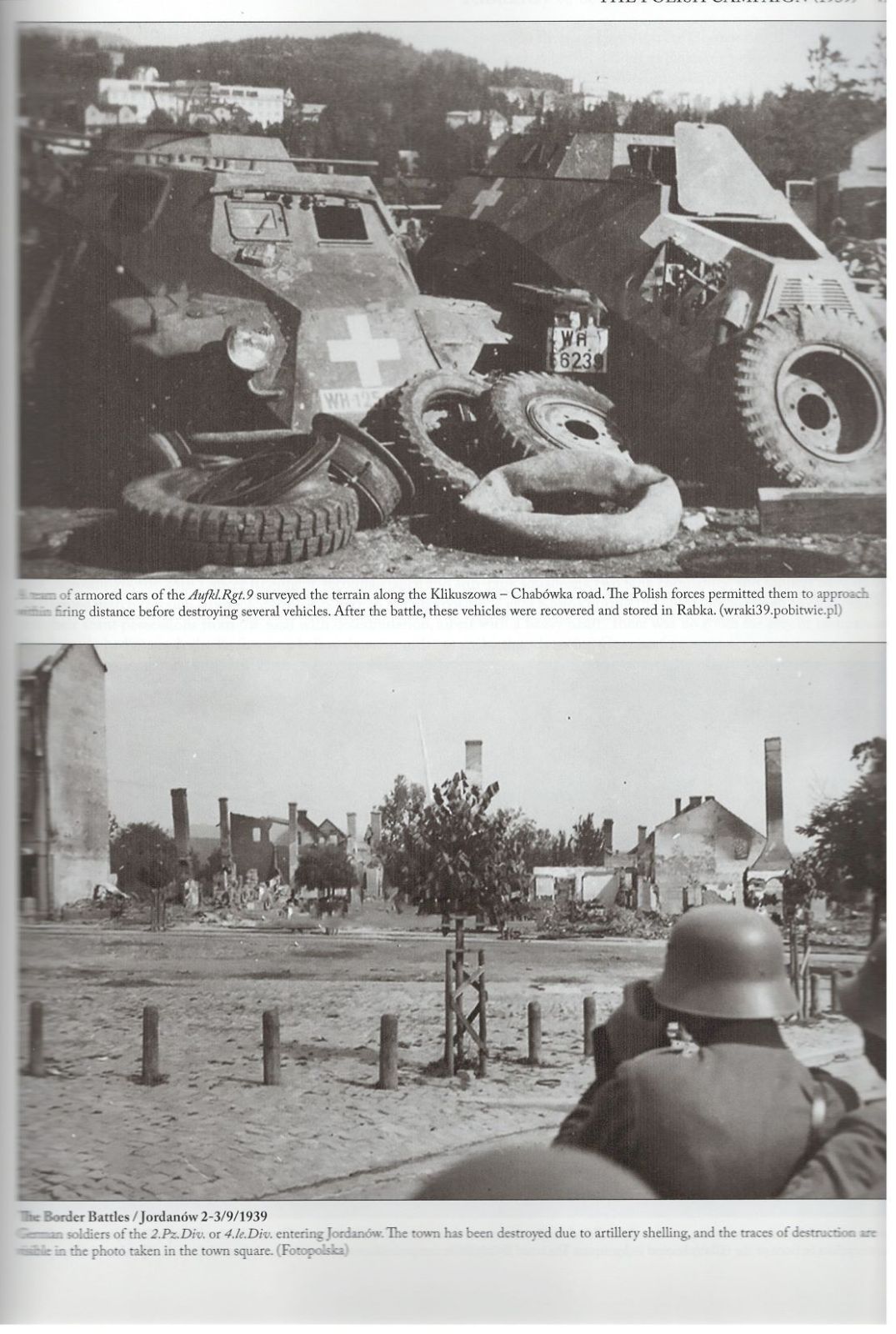
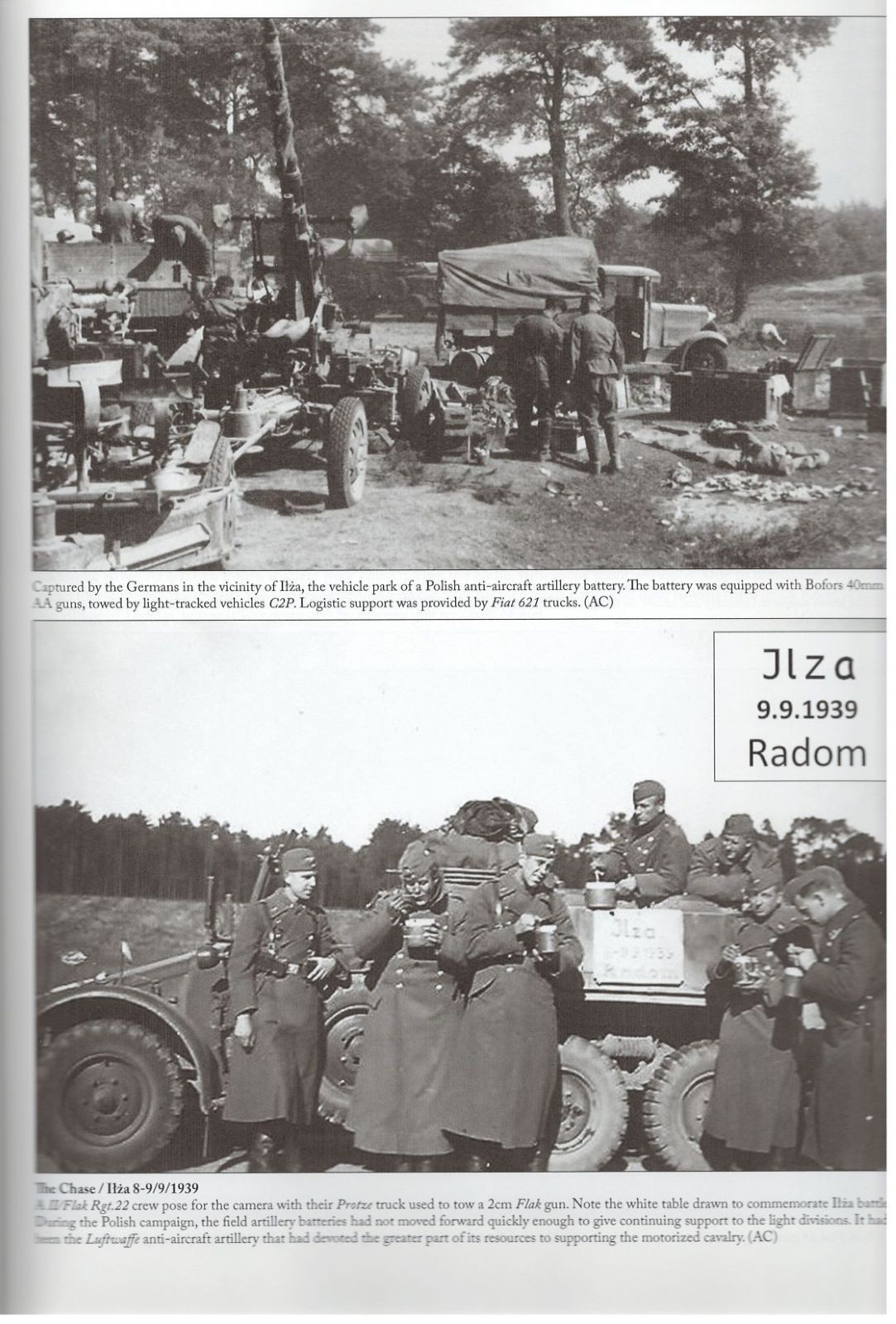
Volume II largely focuses on Poland and the steps taken to convert the light divisions into standard panzer divisions. The first 80 pages of this volume break down the campaign in Poland into three parts – the border battles, the chase across western Poland to the end of hostilities. As with the first volume, it is packed with contemporary photos of the battle across Poland. What emerges from this story is an adversary that puts more of a fight than most narratives share. The light divisions provide a bridge in thinking about how the process of mechanization and motorization presented itself prior to the 1940 campaign in the west. Written by a Polish author, the narrative provides focus on the 1939 campaign and reminds us that despite the success of the Germans, it was not necessarily a cakewalk. The Poles fought gallantly and fiercely. In the aftermath of the campaign, anticipating the role that Panzer Divisions would play in exploiting gaps and advancing through, the light divisions were seen as too light and were reorganized as standard Panzer Divisions. The remainder of the book speaks to the tactical markings, equipment, and uniforms of the crews, a nice supplement for modelers of this period.
For the modeling community, these richly illustrated volumes, full of contemporary photographs provide precise information on the markings and camouflage of early war German tanks and vehicles. From a story telling perspective I would have liked to see more space devoted to the parallel development of light, mechanized forces in Western Europe, but that is a minor quibble. I highly recommend these volumes. Thank you to Casemate Publishing in providing these volumes to the IPMS-USA for review.
Comments
Add new comment
This site is protected by reCAPTCHA and the Google Privacy Policy and Terms of Service apply.
Similar Reviews