
Tanks and Armour in Ukraine 1941–1944
Ian Baxter is a respected historian and an author I actively seek out for his insight and amazing photographs for World War II. This book continues its amazing legacy, does not disappoint, and is worth the price for the photographs alone.
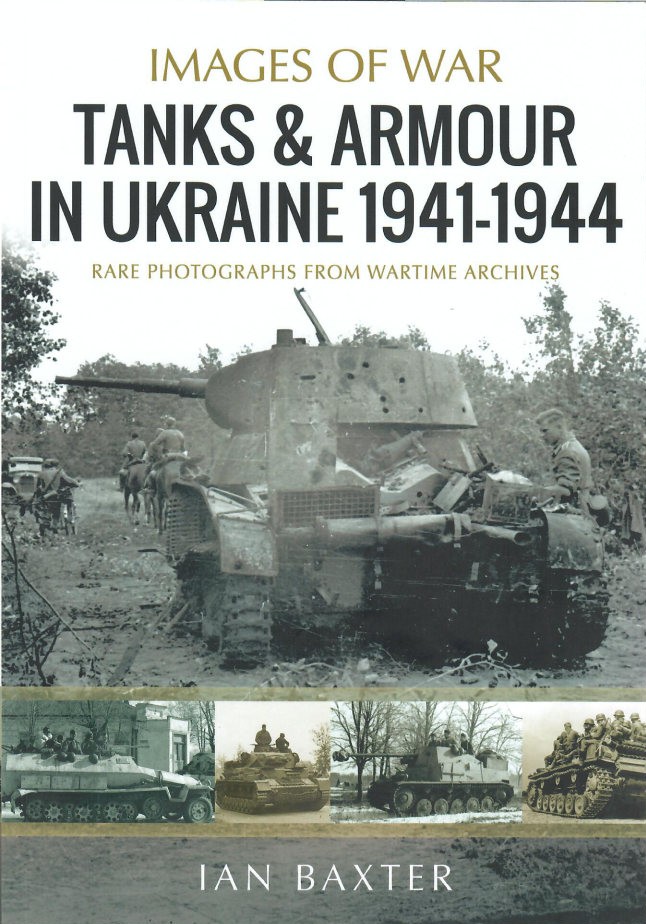
Following the familiar Pen & Sword Images of War series is the story of Tanks and Armour in Ukraine 1941–1944. Each chapter starts with a brief history of the topic covered, followed by a lot of photographs to complement the text.
This book is composed of the following:
- About the Author
- Introduction
- Chapter One: Invasion of Ukraine, 1941
- Chapter Two: Capture of Ukraine, 1942
- Chapter Three: Fighting Withdrawal, 1943
- Chapter Four: Lost Battles, 1944
- Appendix One: German Army Group South, Order of Battle 1941-42
- Appendix Two: German Army Group South, Order of Battle 1943-44
- Appendix Three: German Army Group North Ukraine, Order of Battle 1944
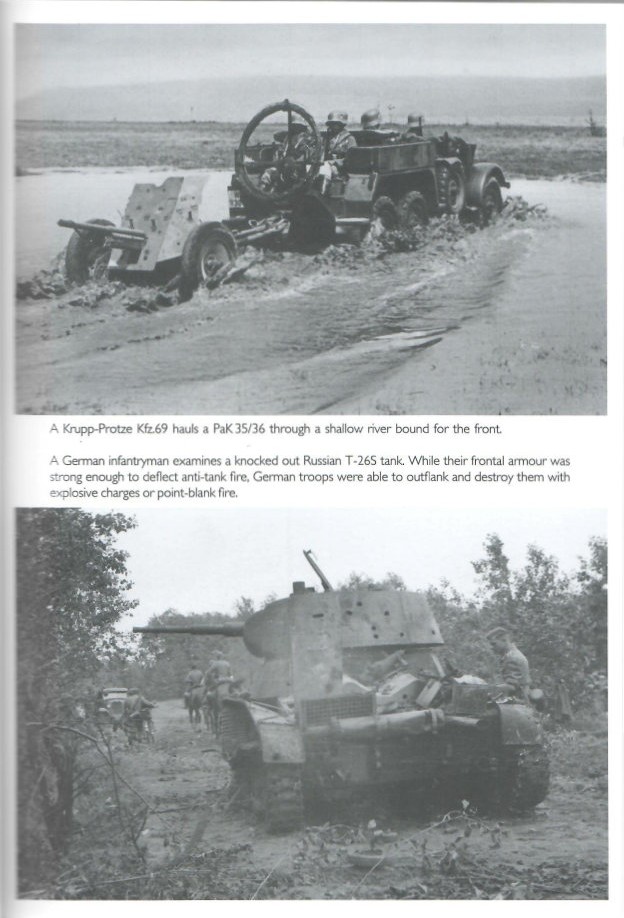
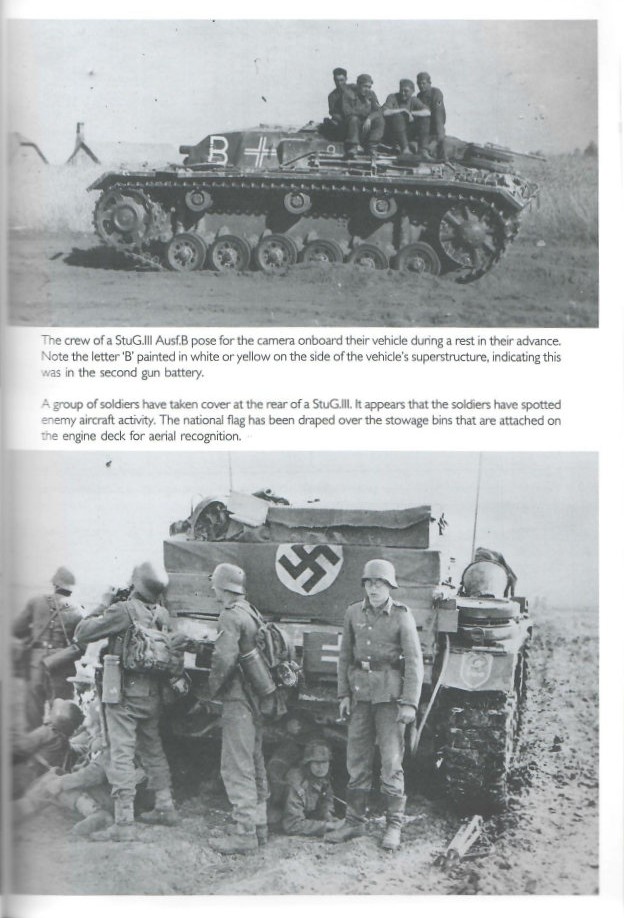
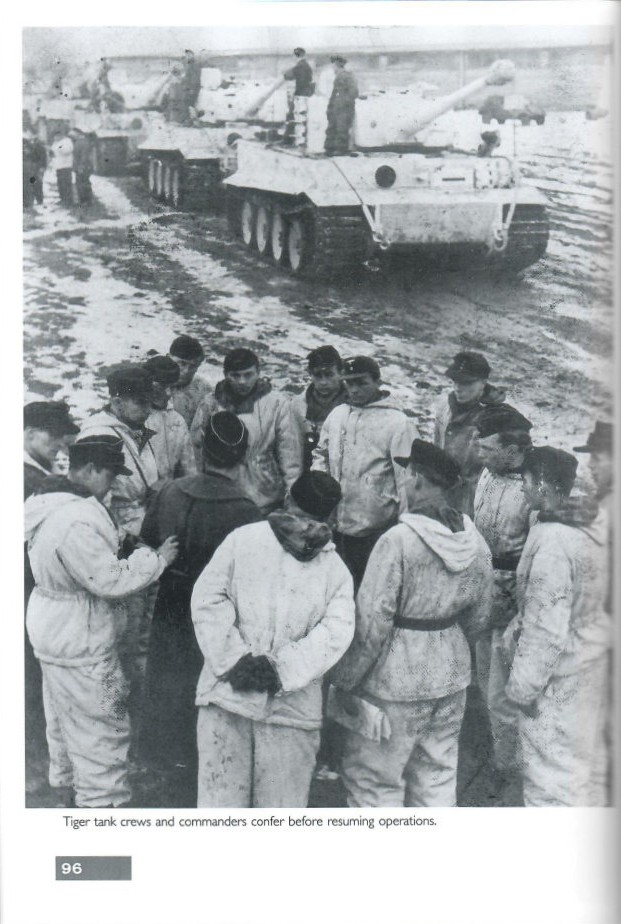
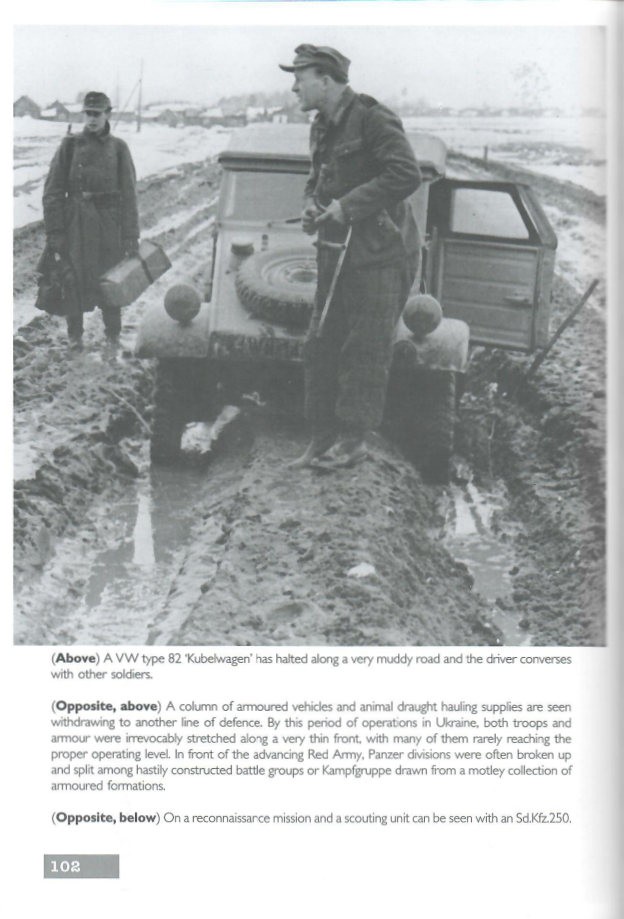
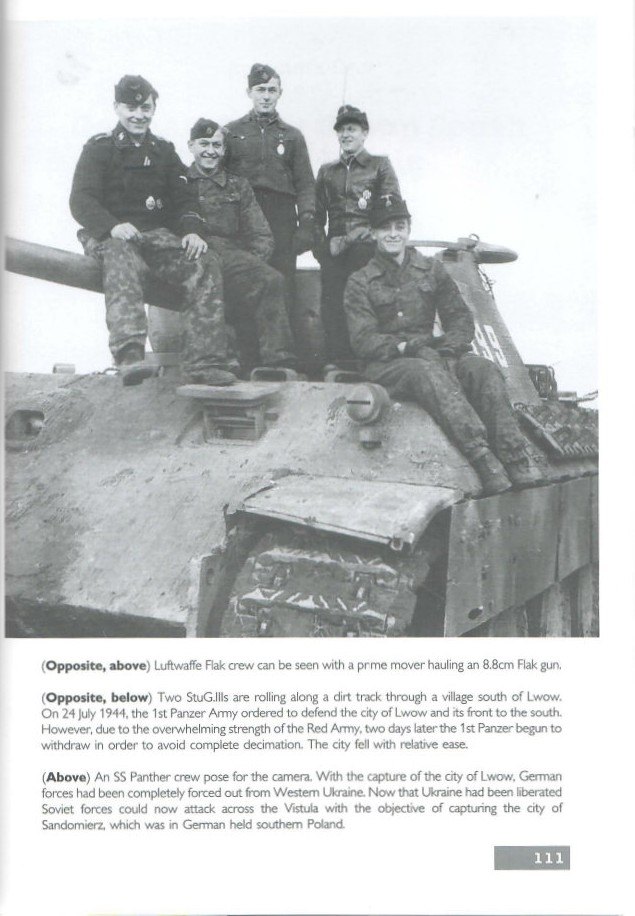
This book is a not a scholarly nor thorough analysis or history of the battles in Ukraine from 1941 through 1944. And the reader is better for it. This is a succinct history with lots of photographs to convey its message in ways words cannot. Unlike other books in this notable series, the editor needed to do a better job. As can be seen in the second paragraph in the Introduction above, there are two grammatical errors. Unfortunately, this is repeated about half a dozen times throughout the text, making the reader have a double-take to understand the gravity of the fighting while sparring with words. Although some of the errors are humorous; for example, on page 42, “The defeat of the Red Army near Kharkov had once more brought invisibility in the eyes of the German commanders.” That complaint aside, the chapter introductions do a fine job of introducing the major phase of operations (usually along calendar years 1941-1944) before showing the true value of these books – the stunning and rare photographs of German armored vehicles and tanks, with their adaptation to the terrain, weather and enemy.
The Introduction is succinct and summarizes the book well,
When the German war machine launched its attack against the Soviet Union on 22 June 1941, Adolf Hitler had given priority first to the capture of Ukraine, which was against the advice of his generals. In order to secure Ukraine quickly and effectively, the German Army Group South entrusted its powerful Panzer Group 1 to lead the spearhead through the country. It included the III, XIV and XLVIII Army Corps (motorized) with five Panzer divisions and four motorized divisions (two of them SS) equipped with 799 tanks. Unlike their enemy, German armoured units had effective command, control, communication, and a massive supply of ammunition and support formations coupled with considerable combat experience and extensive training. What followed in the heartlands of Ukraine was a series of powerful wide sweeping deep penetrating armoured attacks toward the Dnieper River. Places like Dubno, Brody, Kyiv, Crimea, and Kharkov saw heavy armoured fighting.
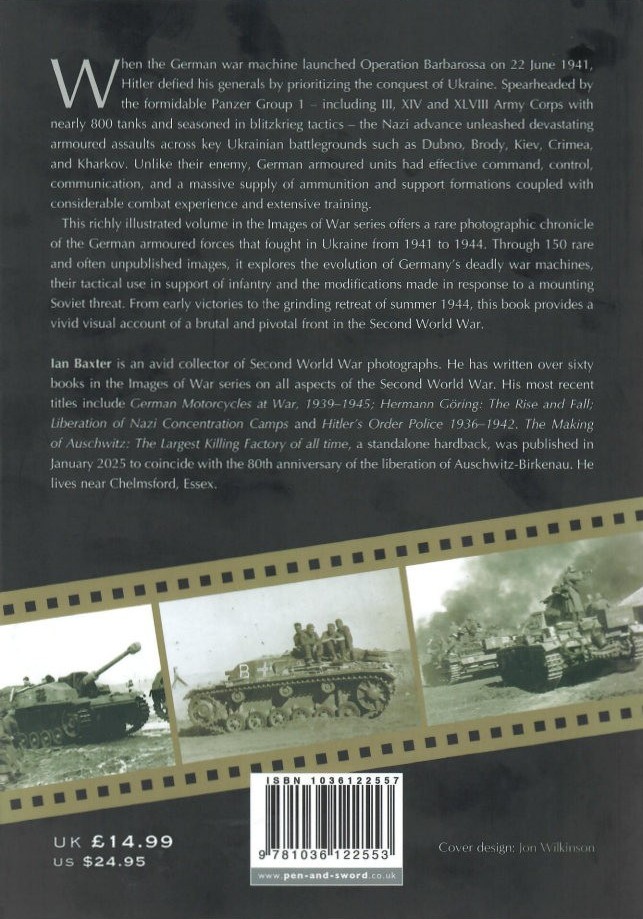
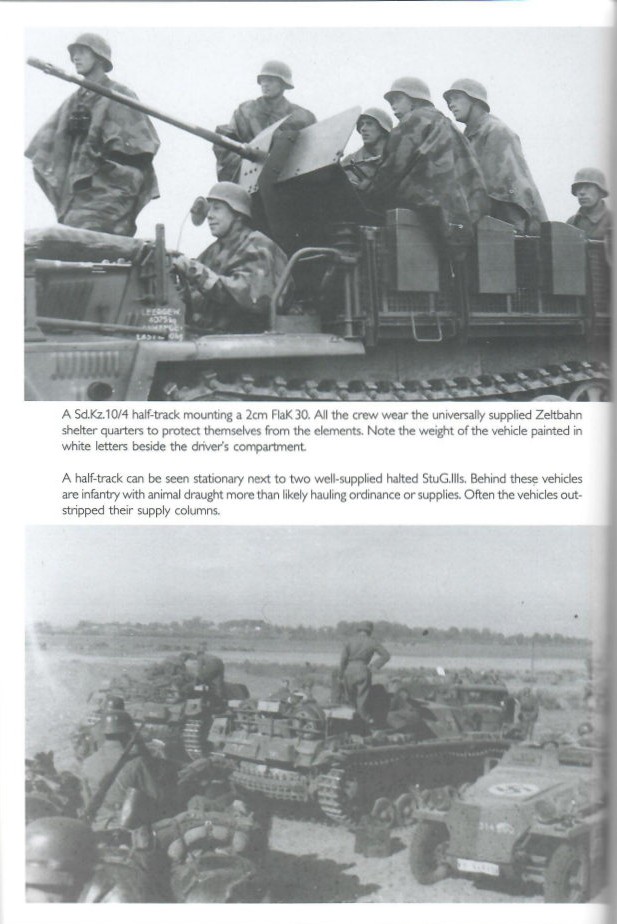
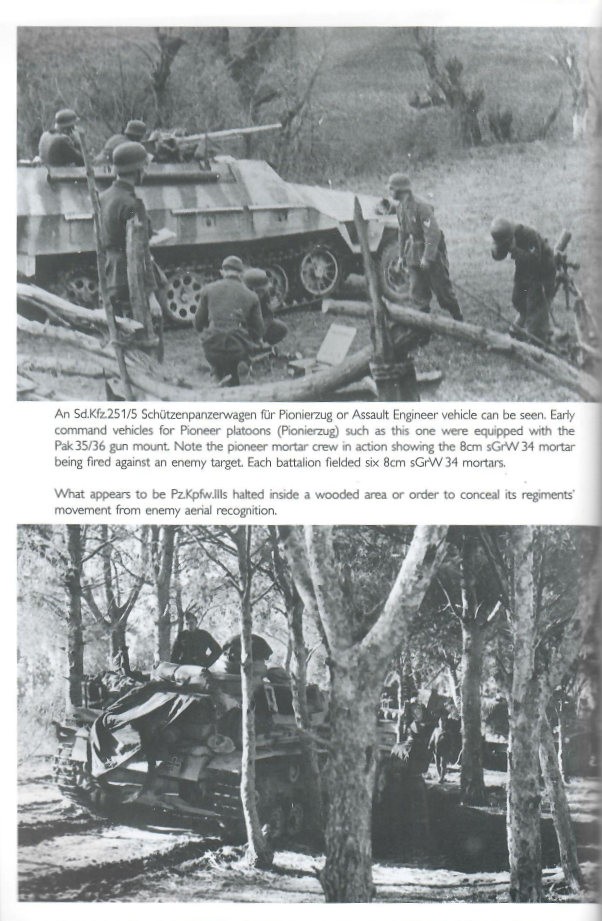
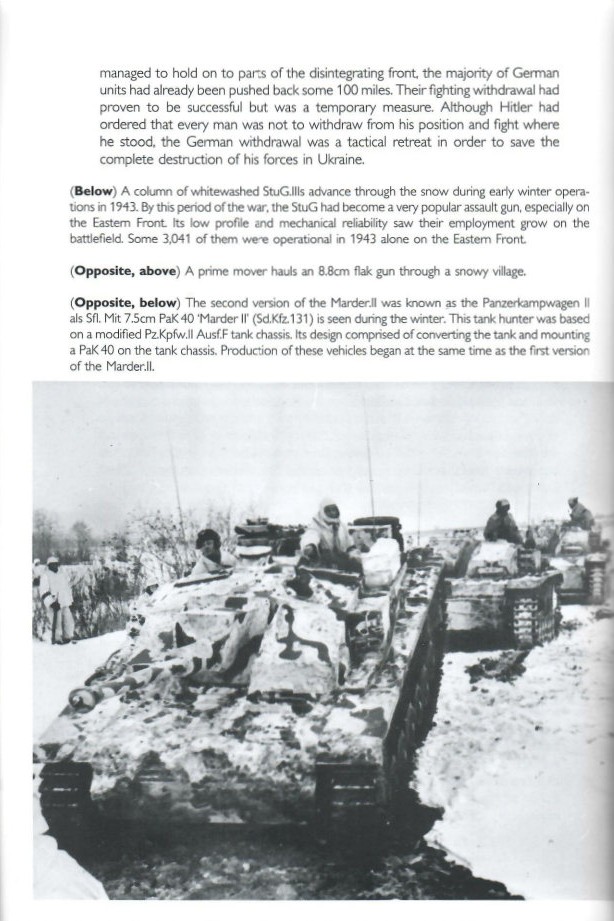
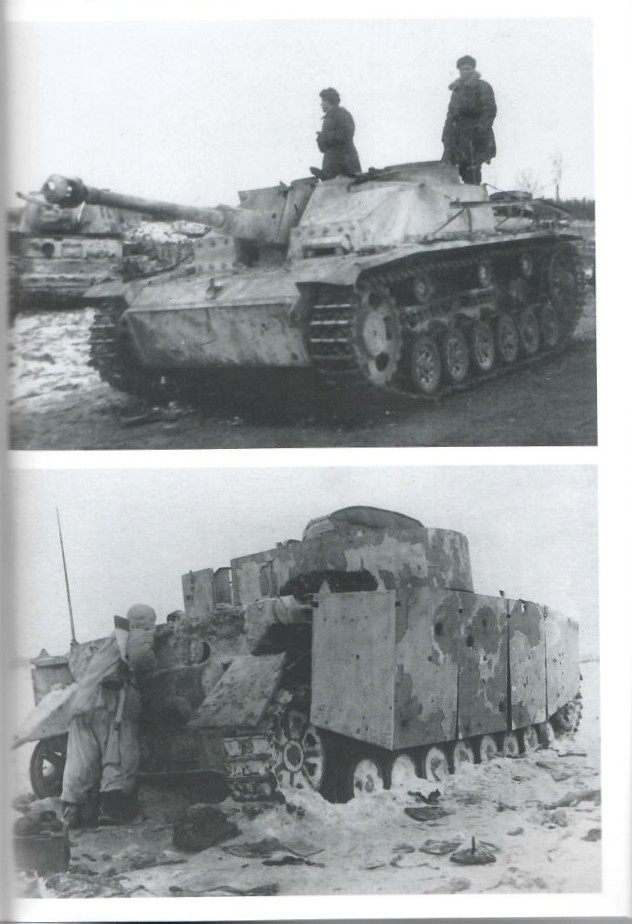
This book in the Image of War series is a highly-illustrated record of German tanks and armour that fought in Ukraine between 1941 and 1944. It describes how these deadly machines fought and supported and (sic) infantry on the battlefield. It depicts how these formidable weapons were adapted and up-gunned to face the ever-increasing enemy threat. With rare and often (un?) published photographs this book provides a unique insight into German armour from its early triumphant days in 1941 and 1942 to its slow and painful retreat in 1944.
The German Army Group South, with Panzer Group 1’s 799 tanks, soon found itself opposed by 2,500 Soviet tanks. The Soviets lost between 800 and 1,000 tanks in the battles, particularly around Brody. Both sides learned, and had it not been for the superior German training, command and control, and logistics, the result would have been much different. Both sides learned valuable lessons: the Germans had a shock encountering the medium T-34 and heavy KV-series tanks, and quickly looked for solutions; the Soviets tried to stem the tide while developing tactics, strategy, command, and mass that would take time to develop. This book shows both sides as the fighting evolved through 1944.
While the Germans initially held technological superiority, the vast distances, weather, terrain and dogged determination of the Soviet soldier took its toll on man and machines. Despite the German focus on tanks and armor, a vast majority of the German forces still relied on draft animals and infantry marching on foot. The blinding and choking dust were replaced by the infamous “rasputitsa” (literally "season of bad roads") mired transportation and literally brought movement to a halt. The German invasion started with more than 800,000 horses on the Eastern Front. By the time winter arrived, some 8,000 horses died per day due to enemy fire, extreme arctic temperatures and over exertion.
Modelers are well served by this book that delivers amazing photographs of German armored vehicles in Ukraine. The evolution of German armor is evident as the war progresses. The conditions created a fight for survival against both the elements and enemies. Armor modelers can use the photographs for inspiration, whether being an early Panzer II in choking dust in the early days or a war-weary StuG replete with infantry and accoutrements of the campaign festooned onboard in deep mud or freezing snow. Page after page offers inspiration. This is an excellent book and well worth the modeling money spent.
Profuse thanks to Casemate and IPMS/USA for providing the review sample.
Comments
Add new comment
This site is protected by reCAPTCHA and the Google Privacy Policy and Terms of Service apply.
Similar Reviews