
Sweeping the Skies
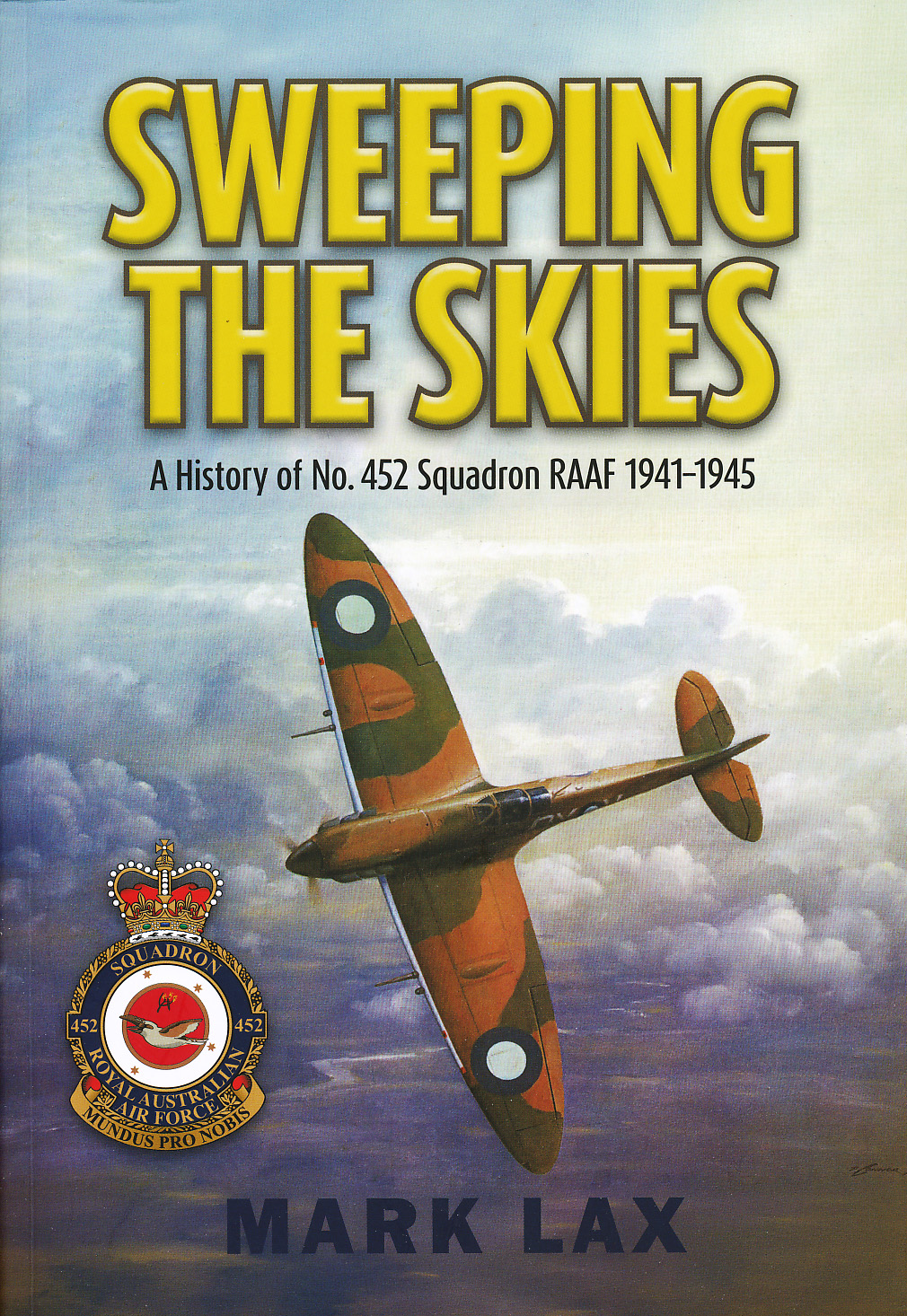
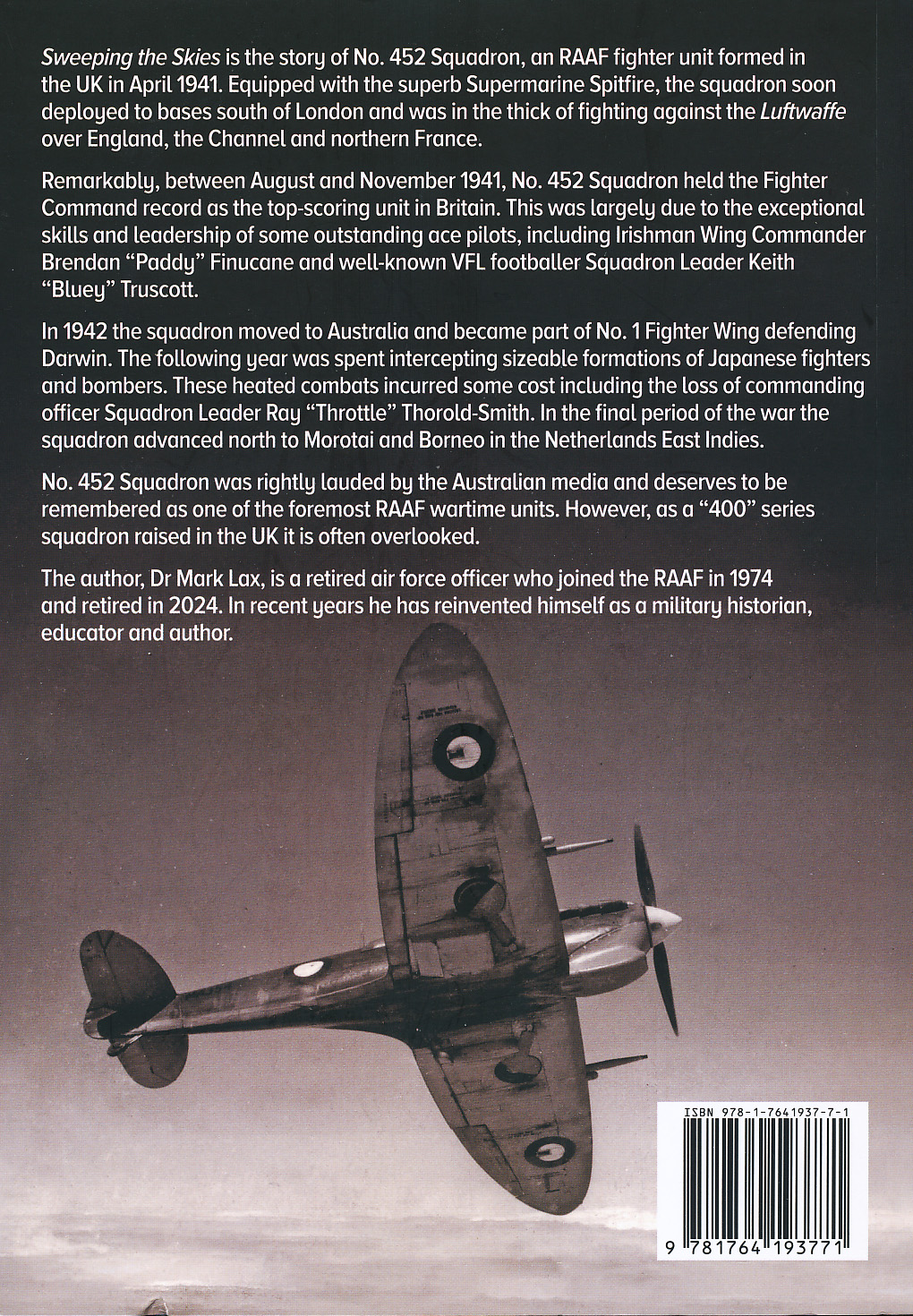
At the start of WWII, the Royal Australian Air Force was little more than a glorified flying club with few pilots and only a couple of hundred effective aircraft. With the outbreak of war, the Australian Government committed to a large and rapid expansion of RAAF airpower, including the formation of a number of units in Britain to serve alongside the RAF. One of these squadrons was 452, a fighter squadron formed in April 1941 and manned by RAAF personnel but operationally controlled by the RAF.
Equipped with the Spitfire V and based initially in RAF Kirton in Lindsey, once it had worked up, it moved to RAF Kenley and into combat on Circus operations over France. The squadron built up a reputation for dogged persistence and determination, and was led by a number of famous aces, including Irishman Wing Commander Brendan “Paddy” Finucane and well-known VFL footballer, Squadron Leader Keith “Bluey” Truscott. Such was their skill that they became the top-scoring Fighter Command squadron for the period between August and November 1941.
Following the Japanese attacks on Australia’s north coast in early 1942, the Australian public clamored for better defenses, and 452 was one of three fighter squadrons dispatched to northern Australia in mid-1942 for the defense of the city and port of Darwin. Unfortunately, poor serviceability of engines and airframes and poor leadership and tactics meant that the squadrons weren’t as effective in fending off Japanese air raids as had been hoped. It wasn’t until the introduction of new Spitfire VIIIs that 452 and their colleagues could really get to grips with the Japanese, taking the fight into the SW Pacific theater until the end of the war.
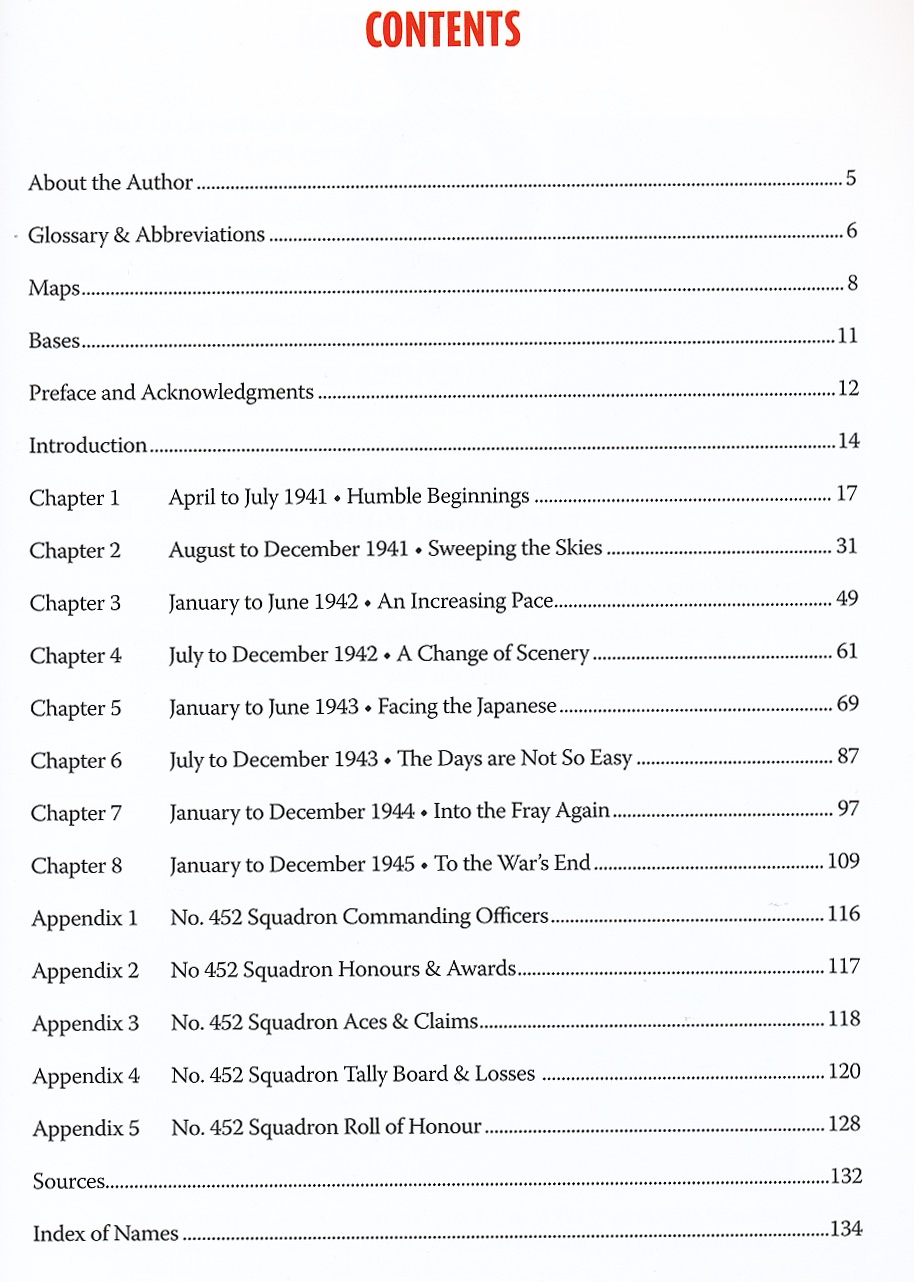
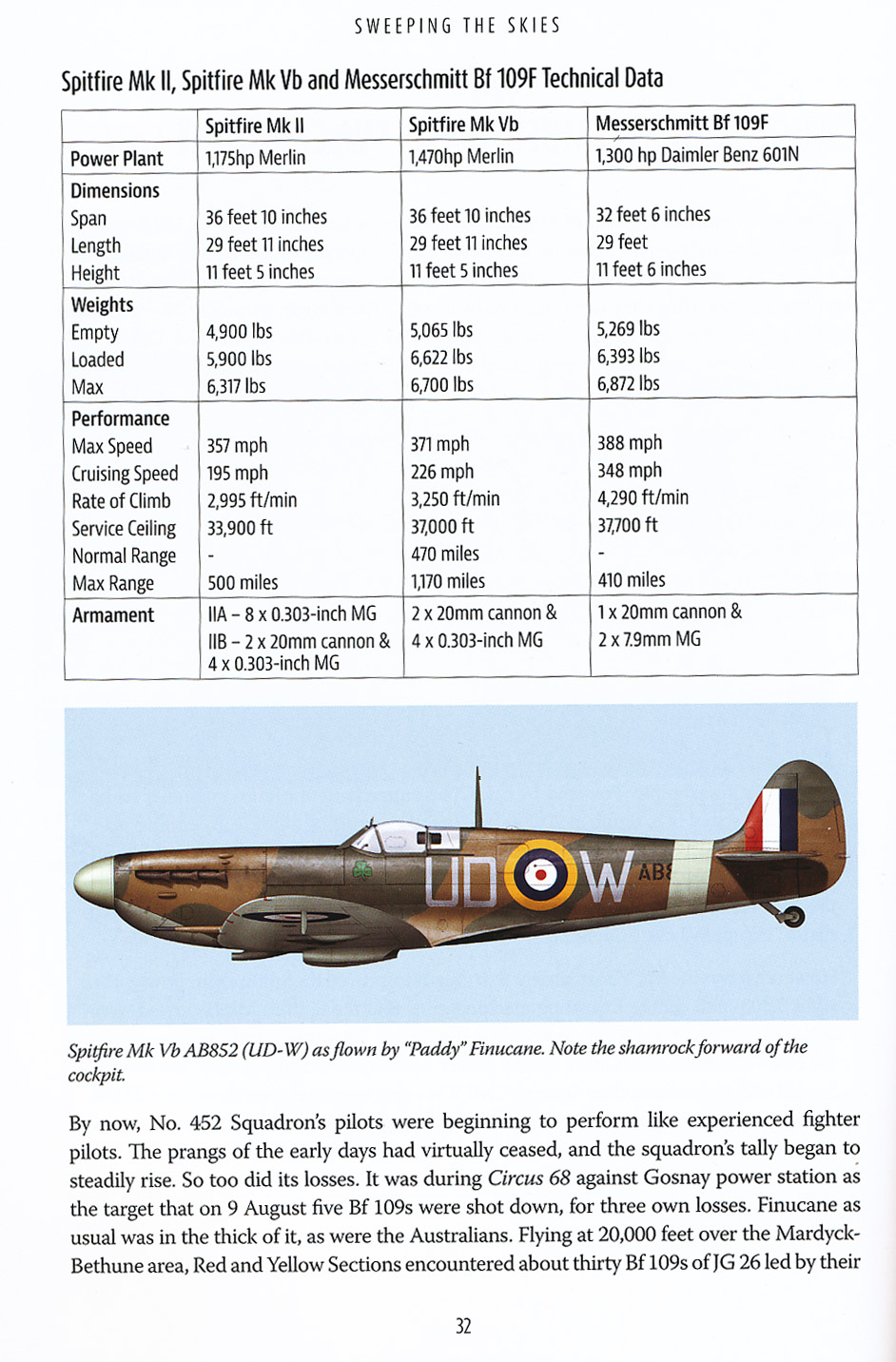
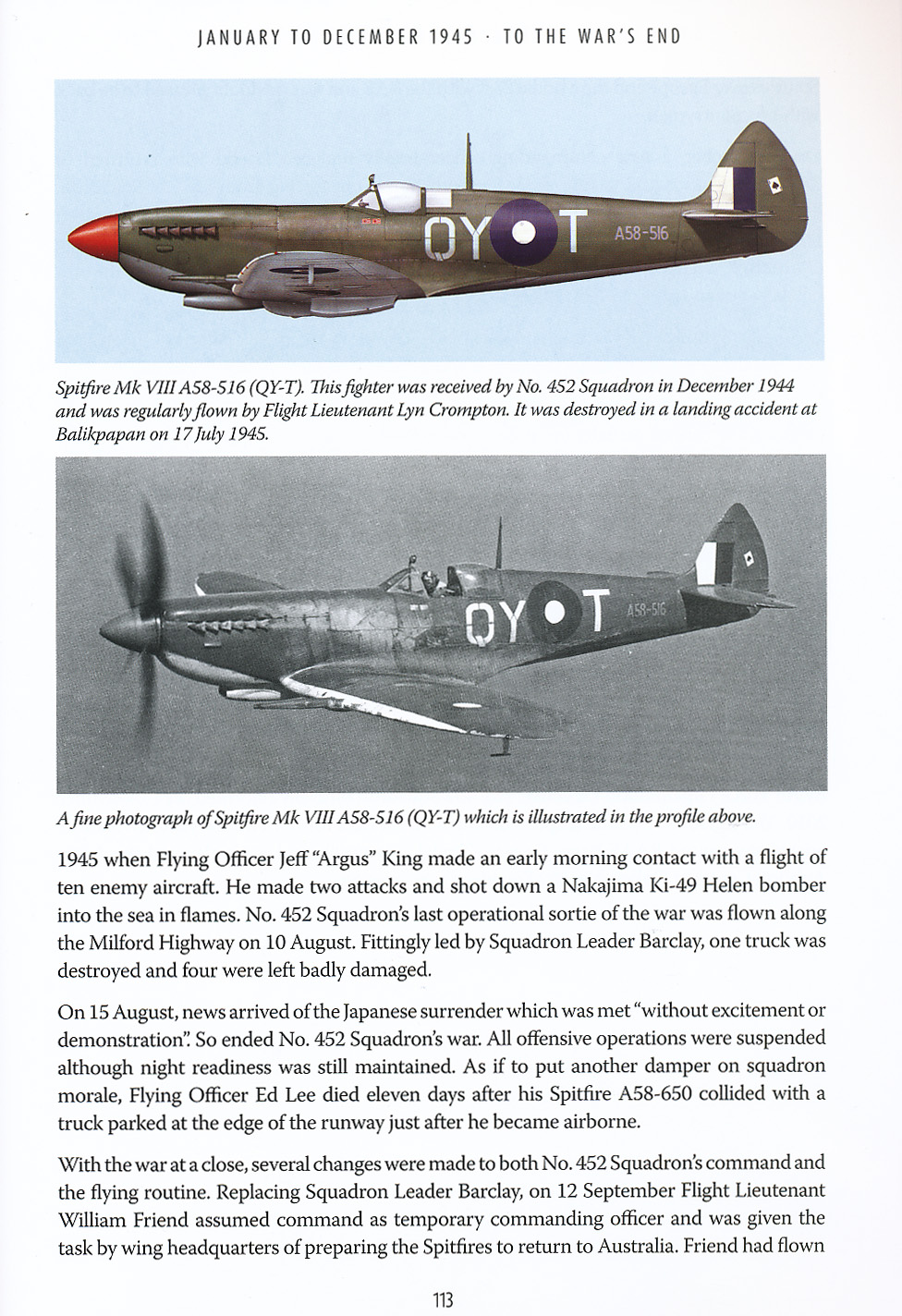
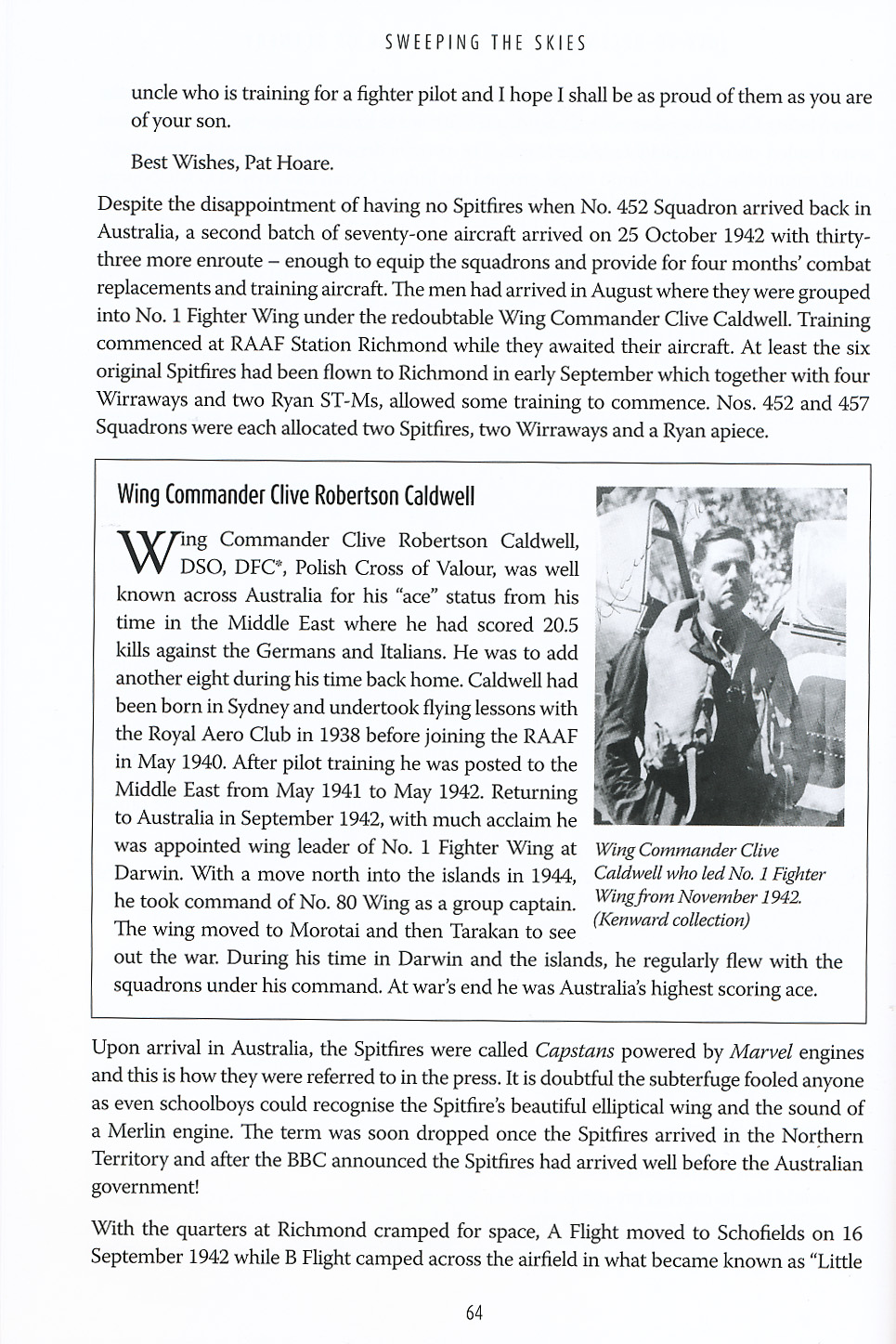
Author Mark Lax is a retired RAAF officer and writes with authority and clarity, never pulling punches but also acknowledging the human side of the story. Many first-hand accounts dot the text, enhanced by plentiful period photos of pilots and planes. Also featured are a number of nice full-colour profiles of some of the Spitfires used by 452; these are by renowned artist Juanita Franzi. While there are longer and more detailed books available on the RAAF in WWII, including the excellent Darwin Spitfires by Anthony Cooper (NewSouth Publishing, 2011), this concise volume brings accessibility and clarity to an often-emotive subject.
This is a nice book detailing a rather neglected aspect (outside of Australia) part of WII aviation history and the author deserves plaudits for brining this concise history to us. Recommended. Many thanks to the good folk at Casemate for the review sample.
Comments
Add new comment
This site is protected by reCAPTCHA and the Google Privacy Policy and Terms of Service apply.
Similar Reviews