
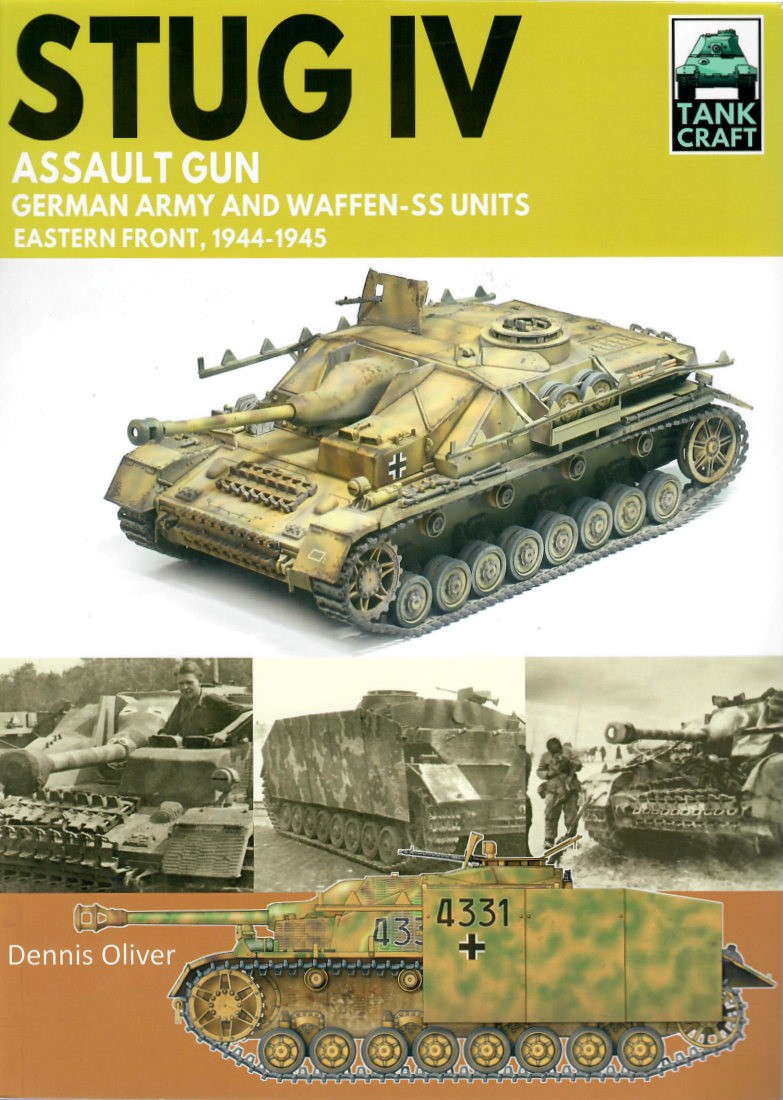
StuG IV Assault Gun German Army and Waffen-SS Units, Eastern Front, 1944-1945
Details the StuG from its inception in December 1943 to the end of WWII on the Eastern Front. Officially, the Sturmgeschütz IV (StuG IV, Sd.Kfz. 167) was a German assault gun variant of the Panzer IV based on the identical in role and concept to the highly successful StuG III assault gun variant of the Panzer III. In the last two years of the war, both StuG models were given a tank destroyer role in German formations and tactical planning, greatly augmenting the capability of the dwindling tank force available to the German military. After all, what could be better than a StuG III? A plus one to StuG IV!
From the talented author, Dennis Oliver,
This book is very much a companion piece to Tankcraft 19: StuG III & IV, German Army, Waffen-SS and Luftwaffe, Western Front 1944-1945 and Tankcraft 44: StuG III Assault Gun, German Army, Waffen-SS and Luftwaffe Units, Eastern Front 1944-1945 and as such I have deliberately omitted references to the strategic situation or tactical operations focusing instead on the units which operated the StuG IV and the technical modifications made throughout its production run.
As this is a companion book to the previously published books mentioned above, do you need another book on the StuG? The answer is absolutely, especially if you want to make an accurate model of the StuG IV on the Eastern Front. As usual, the photographs are worth the price of the book, the details and captions in the Technical Details and Modifications chapter are a bonus, and the rest of the book is the cherry on top.
The StuG IV was born of necessity following the largely successful RAF bombing raids of 22/23 November 1943, which badly damaged the Berlin-based Altmärkische Kettenwerk (Alkett) factory, the principal manufacturer of the StuG III assault gun. The StuG III had become critical to shoring up the German military’s armored force and loss of the factory was catastrophic. A conference was quickly set up and Friedrich Krupp AG engineers pointed out that Alkett assembled the assault gun’s superstructure and chassis from separate components. Thus, Krupp’s Panzer IV chassis were mated to surviving Alkett StuG III superstructures. An added bonus was the logistical support became slightly better with spare parts available for both the Panzer IV and the StuG IV.
The aim of these innovative series is to provide modelmakers and enthusiasts with a new standard of primarily visual reference to both the full-size vehicles and their models, using detailed line drawings, plans, and photographs, many in full color. Each book is devoted to a famous military vehicle – chosen for their popularity as a modeling subject – but will range from main battle tanks to 4x4s.
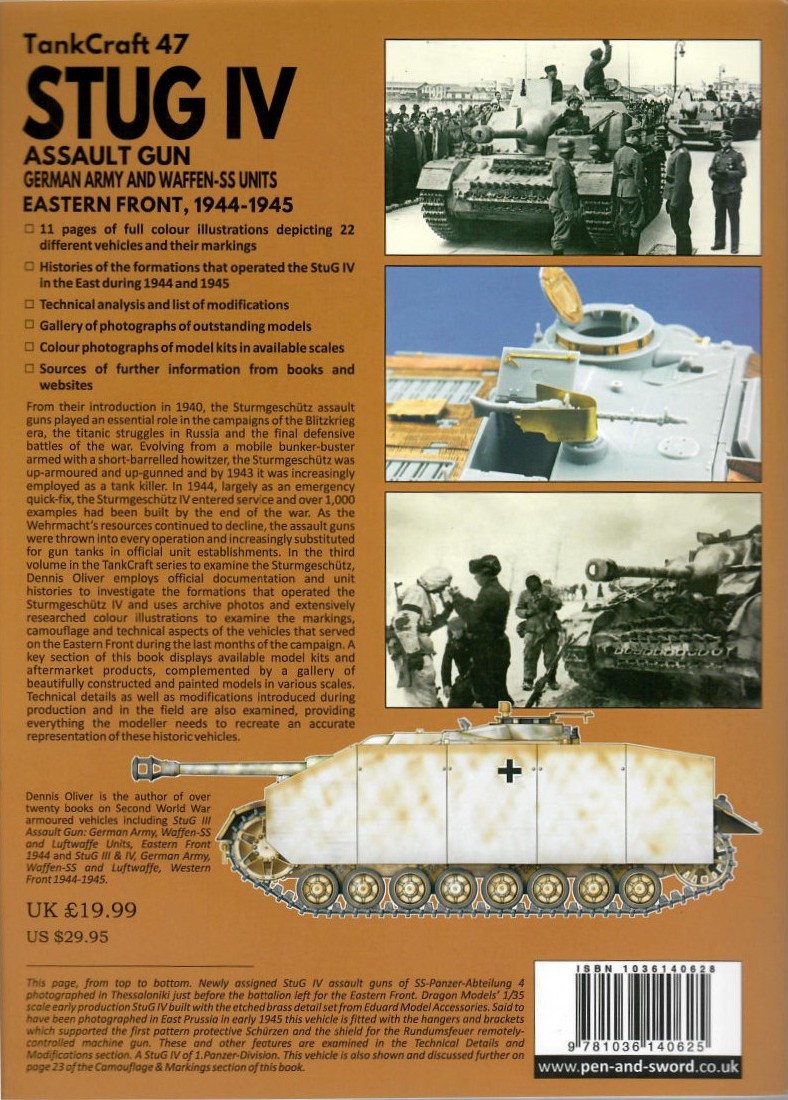
This 64-page book is outlined in the familiar TankCraft format and is loaded with incredible black and white photographs, color illustrations, supporting text and detailed captions, modeling references, and a bibliography in the following chapters:
- Introduction
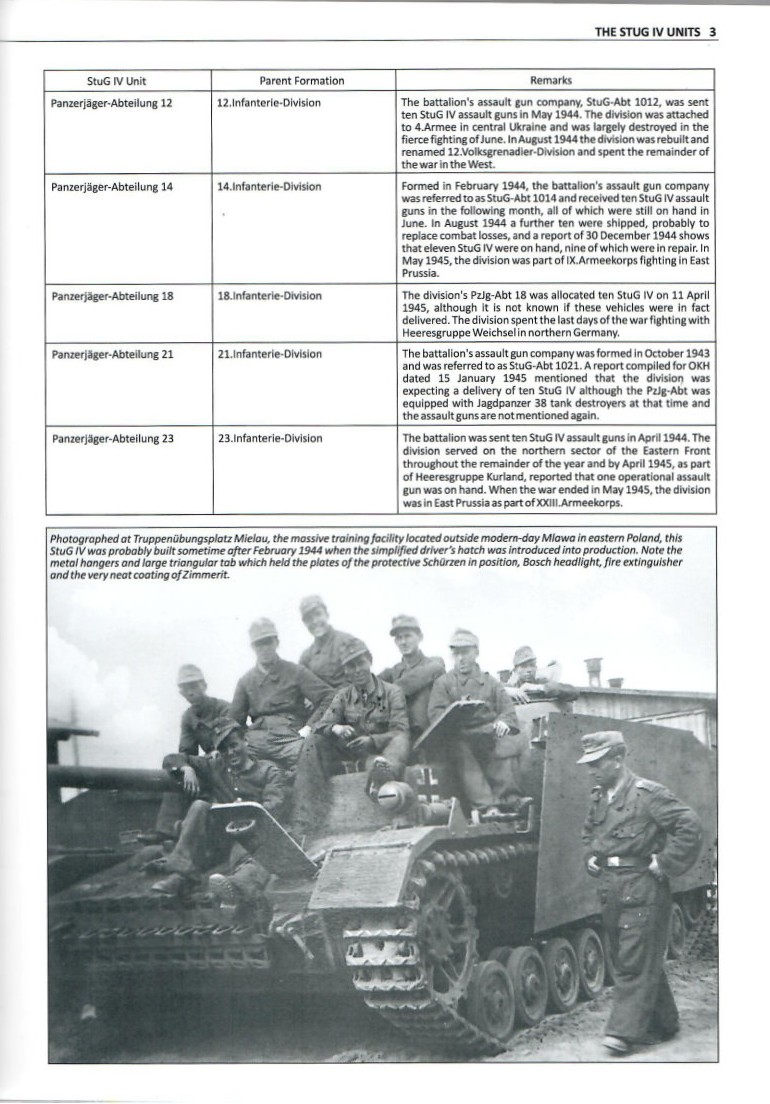
- The StuG IV Units
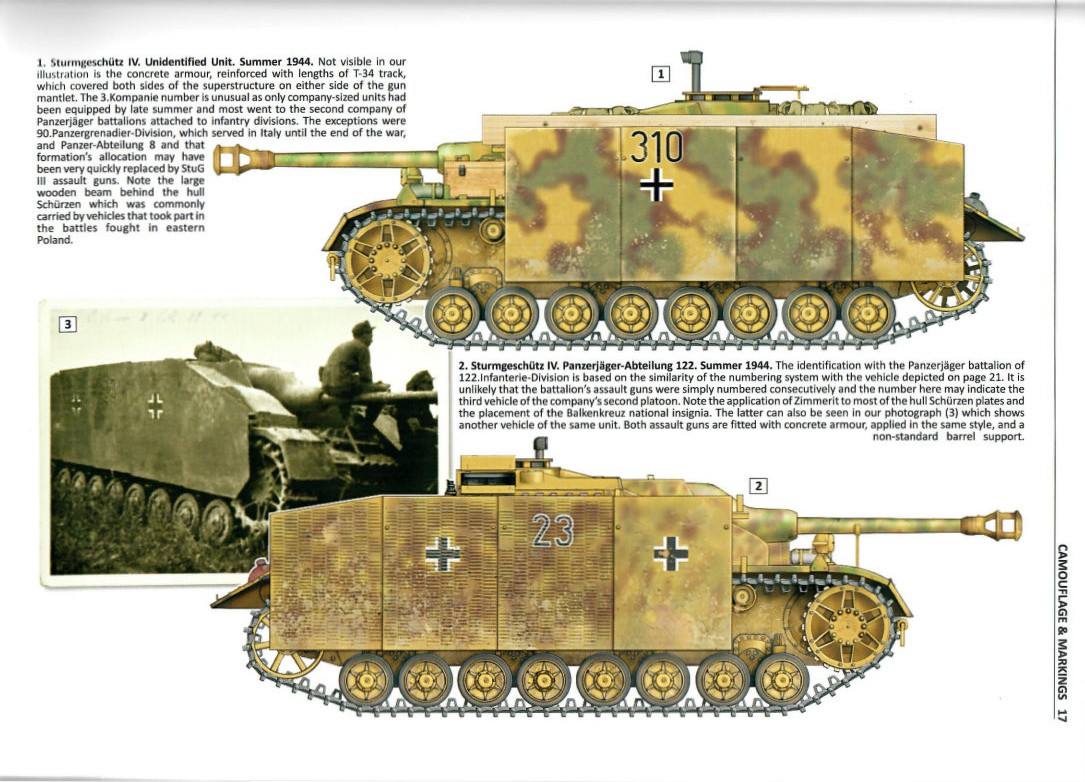
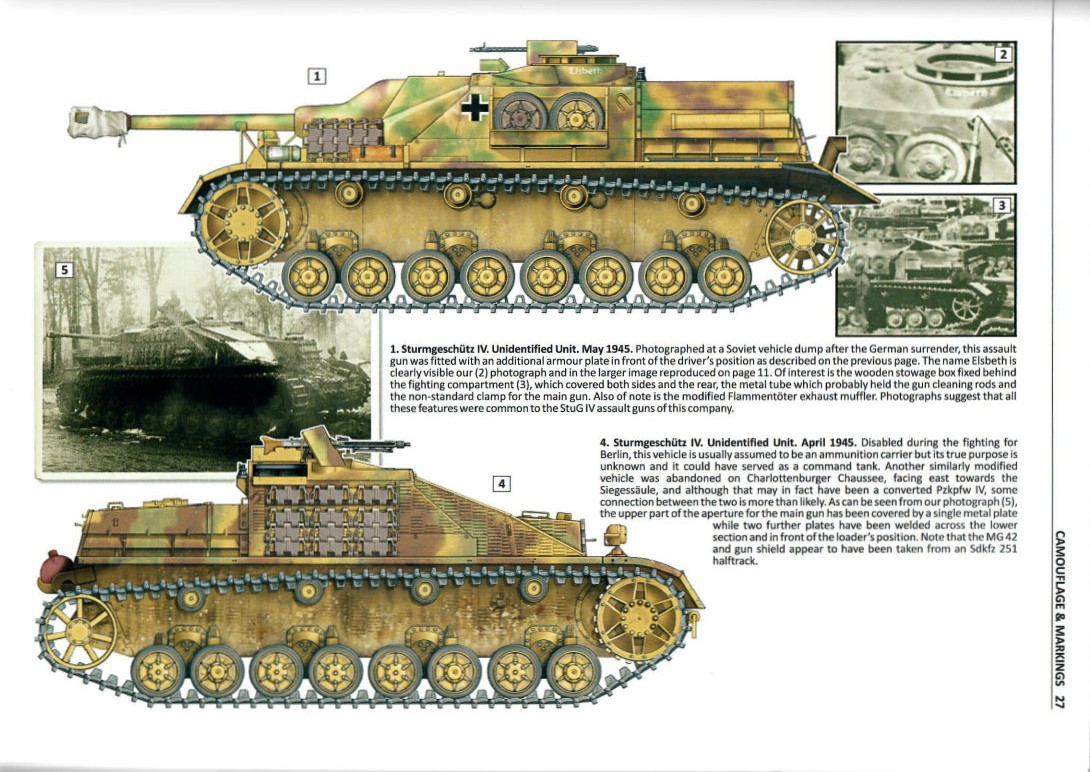
- Camouflage & Markings
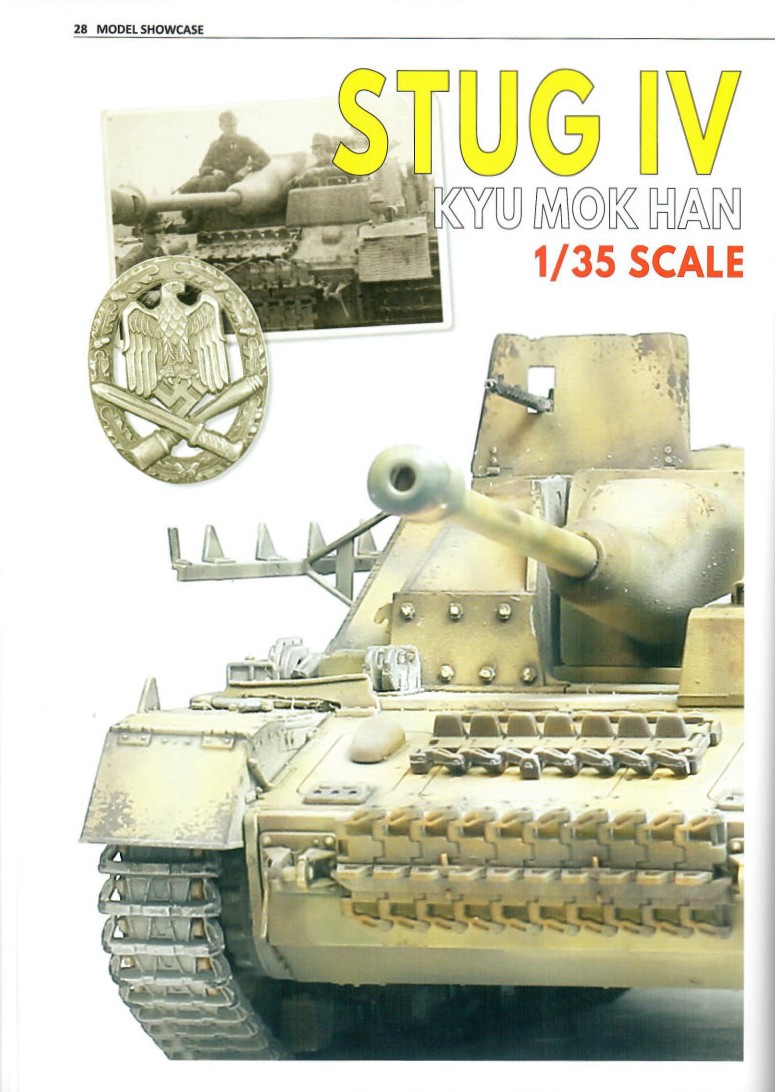
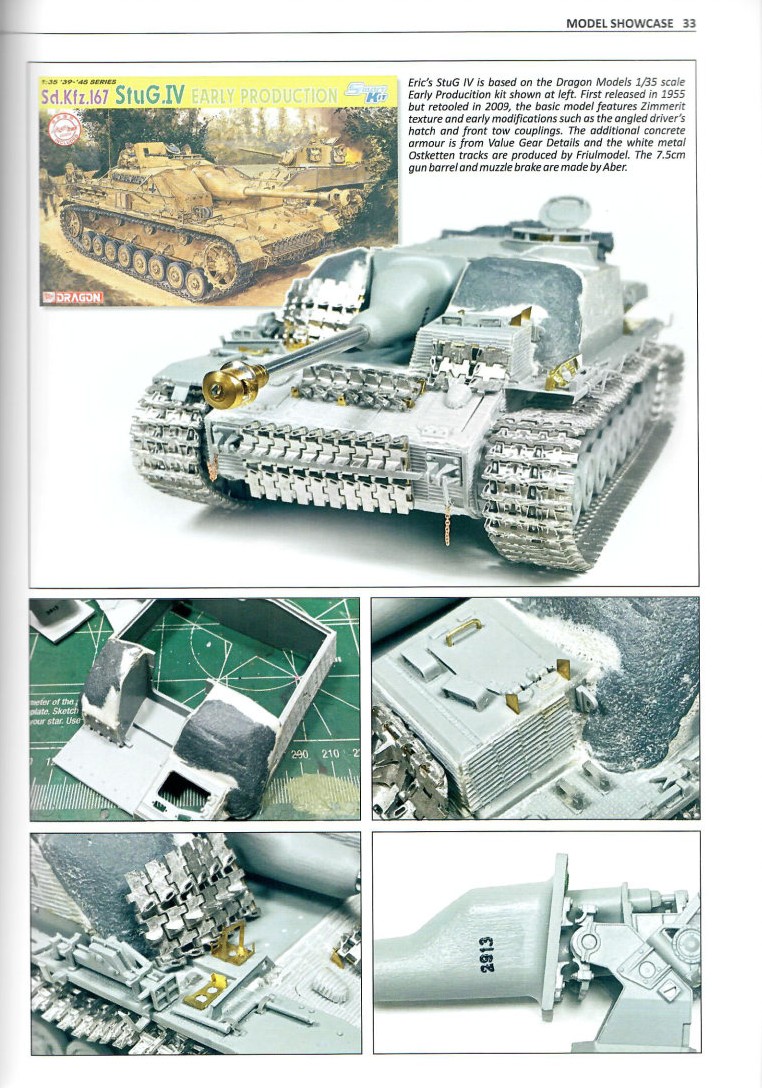
- Model Showcase
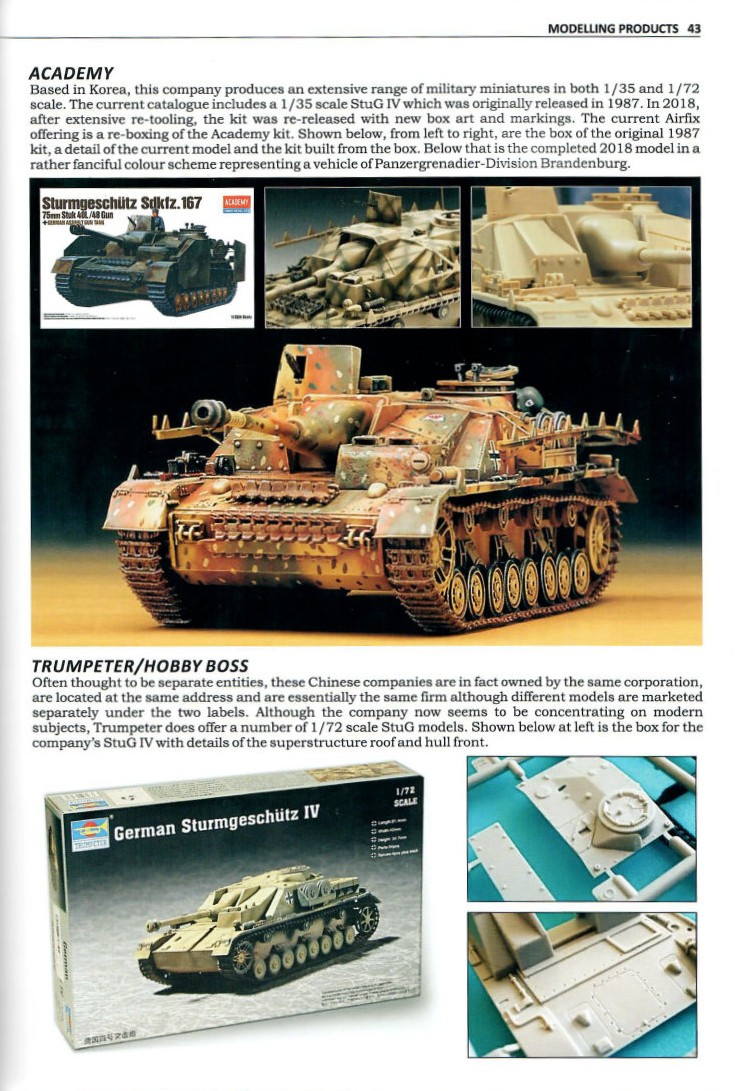
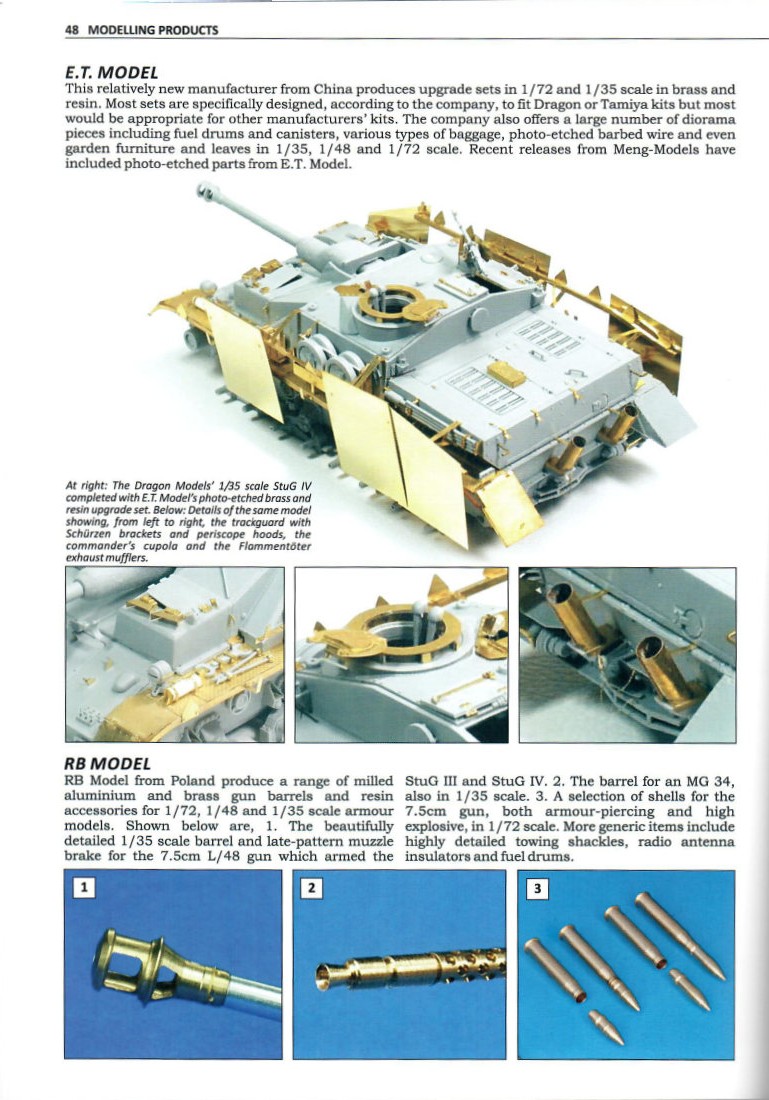
- Modelling Products
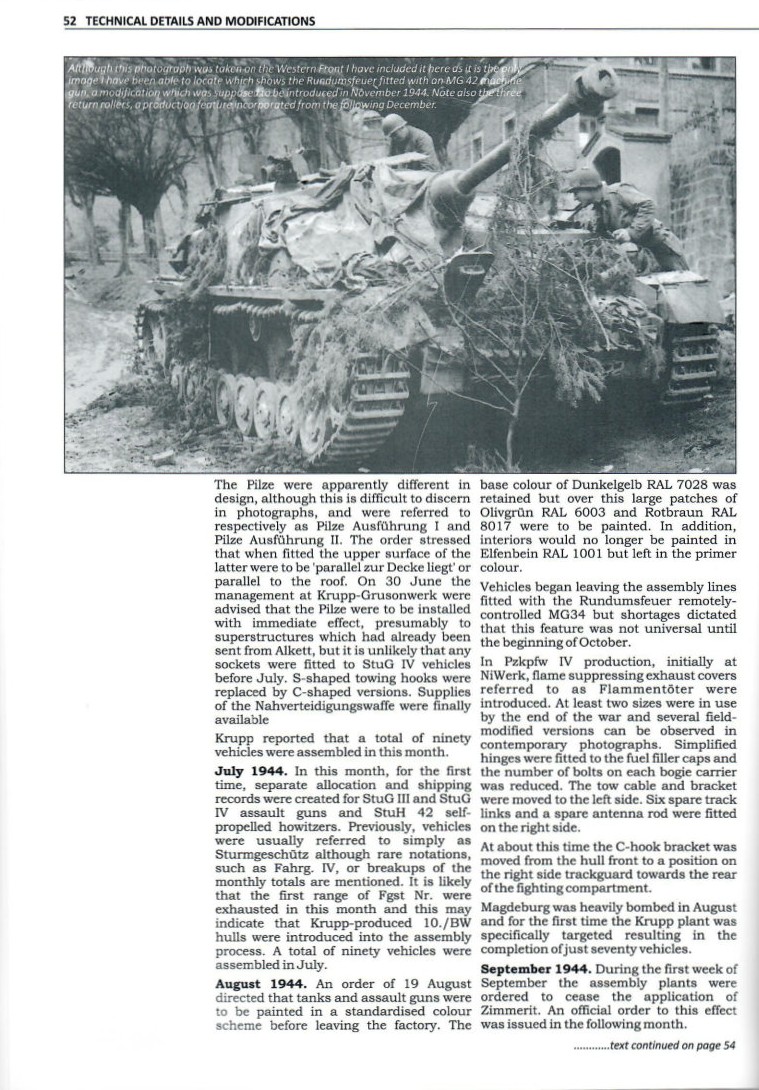
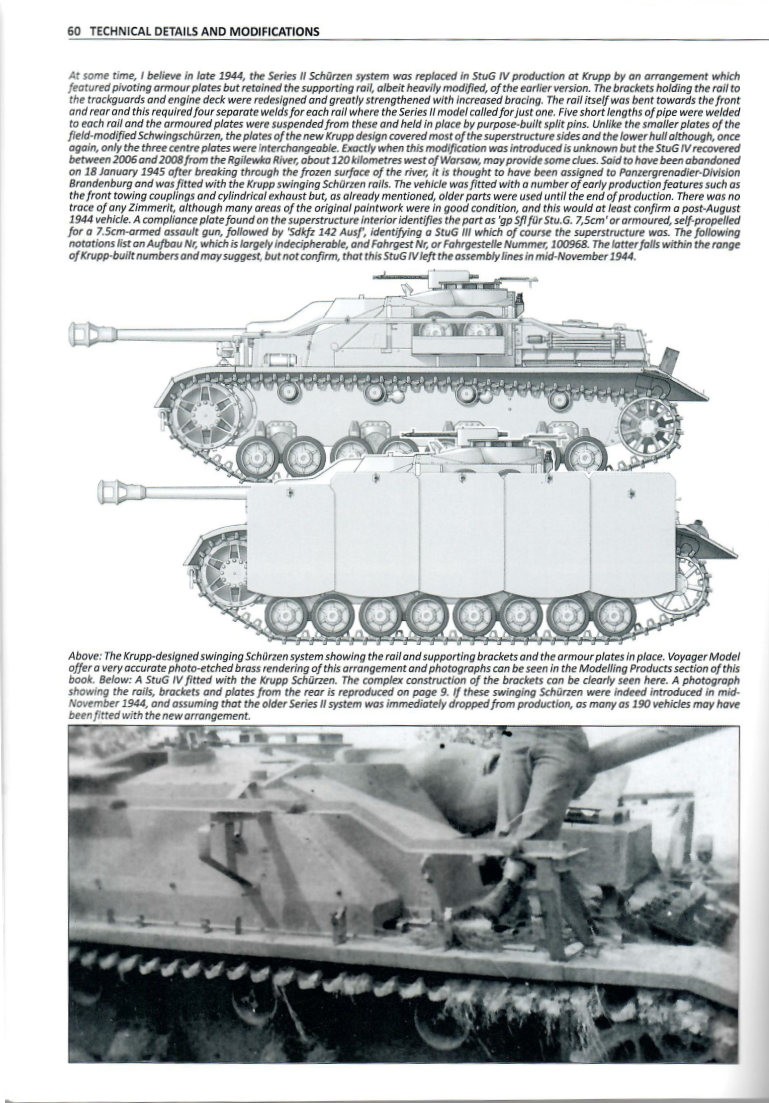
- Technical Details and Modifications
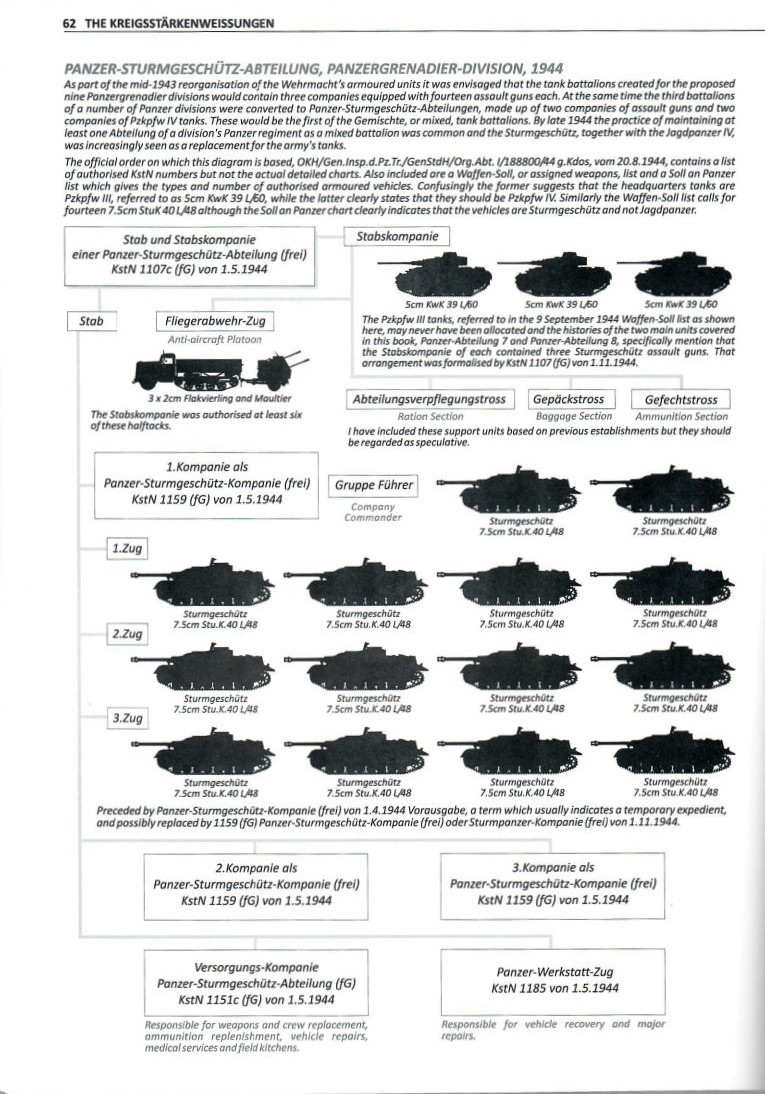
- The Kriegsstärkenweissungen (War Strength Predictions)
- Product Contact Details
Author Dennis Oliver continues to do an amazing job highlighting the actions, tanks, and units doing the fighting. This is further highlighted for modelers with 22 Stug IV color profiles over 11 pages, three beautiful model builds over 13 pages, five pages of model manufacturers who model the StuG IV, three pages of aftermarket manufacturers, the extensive technical details and modifications, and the Kriegsstärkenweissungen (War Strength Predictions) for three different armored formations. This is a treasure trove of the production and employment of StuG IV units on the Eastern Front.
The first StuG IV model was Monogram’s 1/32 German WW II Sturmgeschuetz Assault Tank in 1968 and made famous by Shepard Paine in his featured and groundbreaking How to Build Dioramas book. This was followed in 1976 by both Tamiya and Italeri, then known as Italaeri (one of the reasons I really enjoy this series are the details about model manufacturers, as I remember this spelling, but thought it was advanced modeler syndrome affecting my memory). From there, it was off to the StuG IV races!
Dennis Oliver sums it up well,
In examining the technical aspects of the Sturmgeschütz (StuG IV), it should be remembered that the entire programme was at all times regarded as an expedient, in part to make good the expected shortfall in StuG III production and as an interim replacement for the more powerful Jagdpanzer designs, many of which were still on the drawing board. As mentioned in the introduction, the StuG IV was built on a Pzkpfw IV chassis and suspension fitted with the armoured superstructure and gun of the StuG III.
This is a fantastic book about an armored vehicle born out of necessity that served well for the remainder of the war. If you want to learn more about modelling a StuG IV on the Eastern Front, this is your book. Of the 1,111 StuG IVs manufactured, this important combat vehicle punched far above its numbers. This is an easy-to-understand history of the StuG IV and is replete with references for modelers. I know StuG IV Assault Gun German Army and Waffen-SS Units, Eastern Front, 1944-1945 will be on my bench when I build my Airfix StuG IV. The question is which version and which unit? Thanks to this book, the search will be easier; or perhaps it is easier to build more StuGs!
Profuse thanks to Casemate and IPMS/USA for providing the review sample.
Comments
Add new comment
This site is protected by reCAPTCHA and the Google Privacy Policy and Terms of Service apply.
Similar Reviews