
Partisans & Guerrillas of World War Two - Poland, the Soviet Union, Czechoslovakia, Italy, France
The Images of War series is a great series for modelers and those interested in history because the story told in amazing photographs that are usually not available anywhere else. Philip Jowett has authored several books within this series, and one of the amazing aspects of these books is that no matter the author, the books all feel a part of the series rather than disparate writing styles under the same banner.
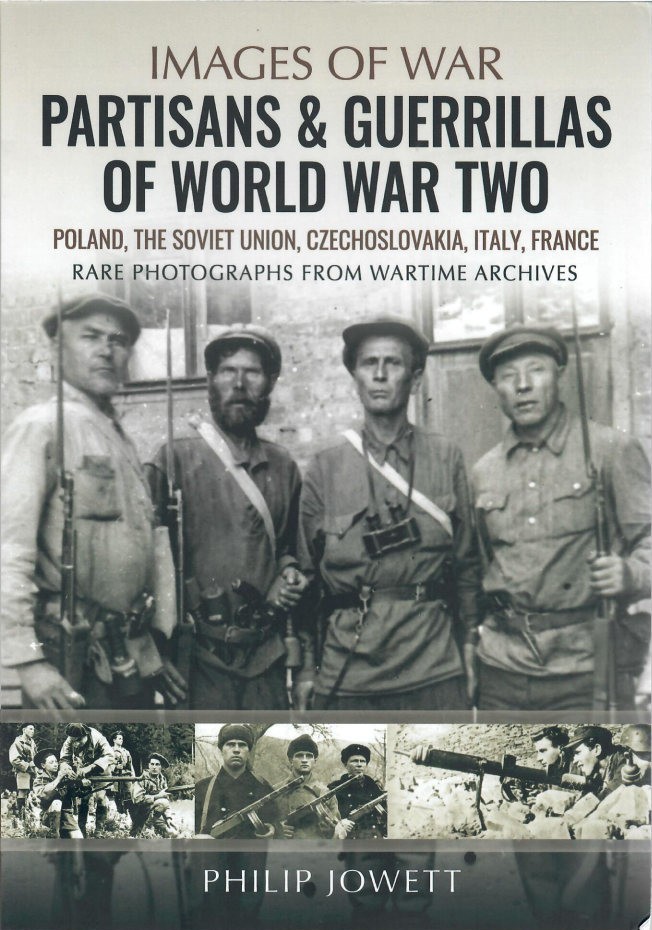
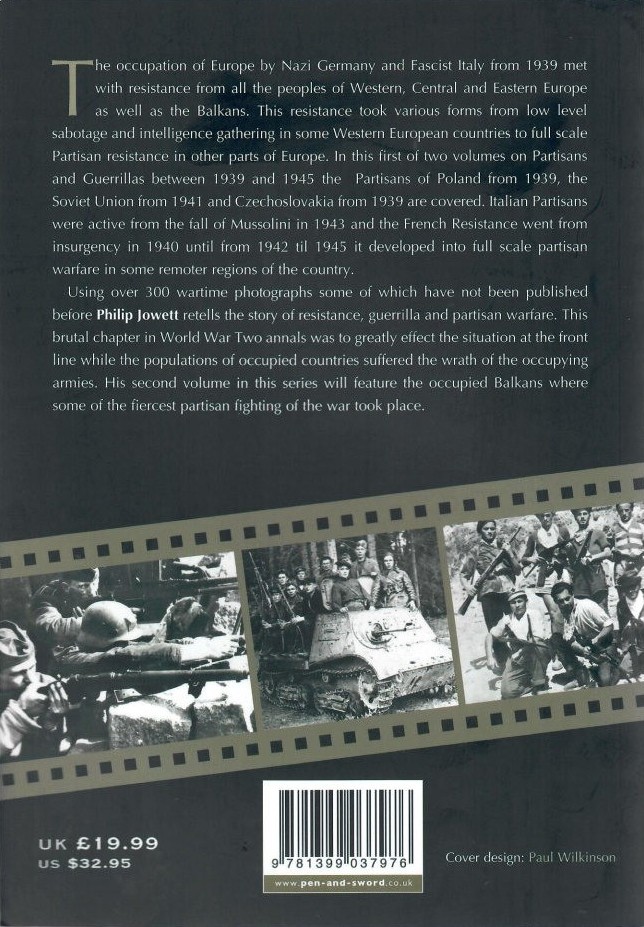
Following the familiar Pen & Sword Images of War series is the story of Partisans & Guerrillas of World War Two - Poland, the Soviet Union, Czechoslovakia, Italy, France, covering 248 pages with 300 black and white photographs. Each chapter starts with a brief history of the topic covered, followed by a lot of photographs to complement the text. This book is composed of the following:
- Prelude
- Introduction
- Chapter One: Poland 1939-1945
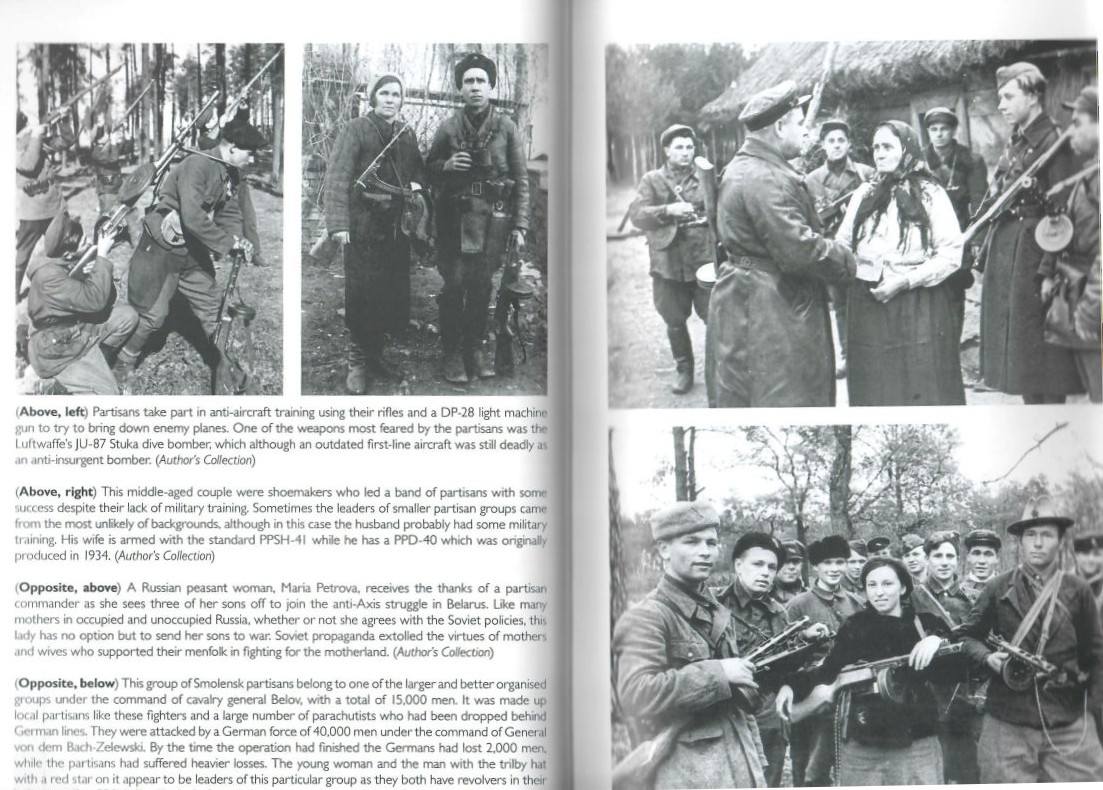
- Chapter Two: Soviet Partisans 1941-1944
- Chapter Three: German Partisan Operations 1941-1944
- Chapter Four: Soviet Partisan Warfare 1943-1944
- Chapter Five: Axis Anti-Partisan Forces in Russia 1941-1944
- Chapter Six: The Warsaw Risings 1943-1944
- Chapter Seven: Czechoslovakia 1940-1944
- Chapter Eight: Italian Partisans
- Chapter Nine: Italian Partisans & Fascists
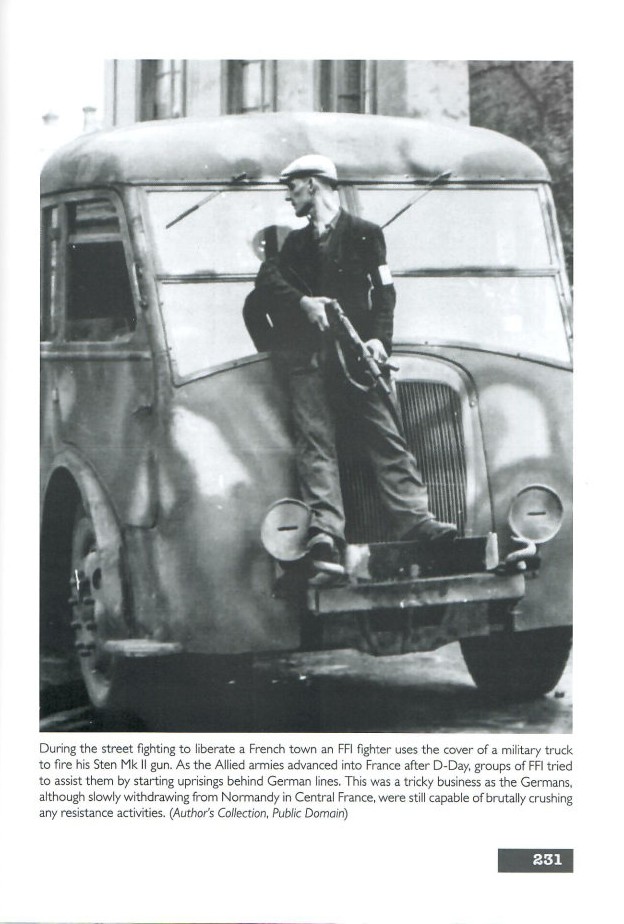
- Chapter Ten: French Resistance 1940-1944
The terms partisan and guerrilla are often intertwined, and the definitions can be nebulous. The author doesn’t split hairs with the definition as it can take away from the stories of those involved. I pondered this difference throughout the book and concluded that it really doesn’t matter. What does matter is that citizens of every country occupied or invaded by the German and Italian militaries fought back. This type of warfare is often a footnote in history, particularly WWII Europe. Philip Jowett does an amazing job of not only highlighting subjugated people fighting back, but also the native collaborators, whether being governments or citizens who resonated with the cause.
The Germans, in particular, were brutal to the populations they subjugated. Resistance took bravery, especially as the occupiers carried out reprisals. Innocent civilians were often not only caught in the crossfire, but were also targeted on large, unimaginable scales. Stories of resistance fighters are few; this book corrects this oversight and highlights how partisans and guerrillas aided the Allies, or in the case of the Soviets, wore down the German forces before they continued their attacks.
The early German conquests in the Baltic states and Ukraine were met with relief from the civilian population having suffered under Soviet rule. The celebrations and liberation were short-lived as they learned the German way.
In a directive of 25 July 1941, the OKH – Oberkommando des Heeres (High Command of the German Army) cautioned its soldiers against any ‘soft’ treatment of the Russian population. A few months later, Field Marshal Keitel told his troops to regard any opposition to their occupation with brutality, saying that fifty to a hundred Russians should be shot for every German soldier killed by partisans.”
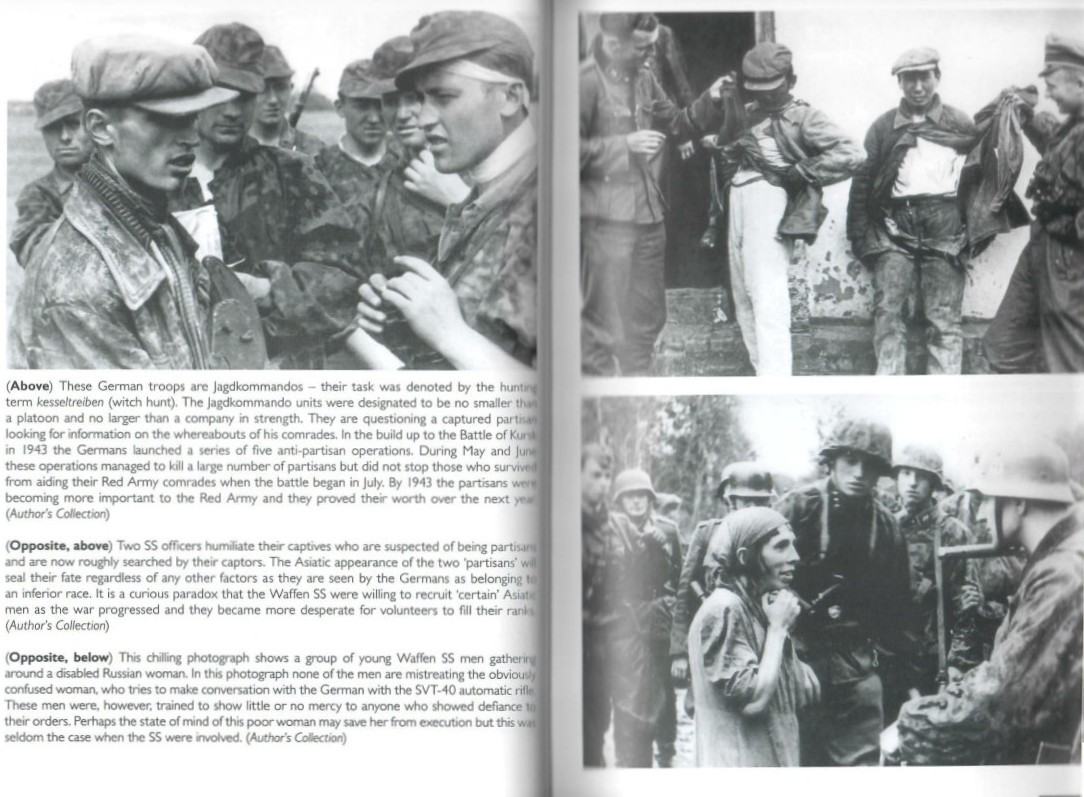
The brutality of anti-partisan operations in Russia is staggering, and the author doesn’t pull punches. During 1942 and 1943, large-scale operations were conducted by troops pulled off the front line.
Four of the main encirclement operations were: ‘Operation Bamberg’ – 26 March to 6 April 1942; 4,396 ‘partisans’ killed for a loss of seven Germans killed! ‘Operation Hanover’ – April to June 1942, which saw 45,000 Germans battling 20,000 partisans and losing 2,200 men, while the partisans lost over 10,000 men. In July 1942 ‘Operation Vogelsang’ resulted in the deaths of 1,193 partisans, with the Germans suffering fifty-eight killed and 138 wounded. ‘Operation Zigeunerbaron’ – May to June 1943 was intended to disrupt partisan activity in support of the Red Army fighting at the six-week-long Battle of Kursk – from early July until late August. During ‘Operation Kottbus’ in Belorussia in 1943, a total of 4,500 ‘fighters’ were killed, but many of the dead were identified as women and children. The Germans claimed to have captured 492 rifles but did not explain what threat the civilians had been to their anti-partisan operation.
The partisan war was a constant drain on German operations. With the tide of war favoring the Soviets, anti-partisan warfare became less of a focus for the Germans. “SS Leader Heinrich Himmler made a rather measured and telling statement. He said, without a hint of irony: ‘Perhaps we have overreacted to these bandits, and by this have caused ourselves needless problems.’”
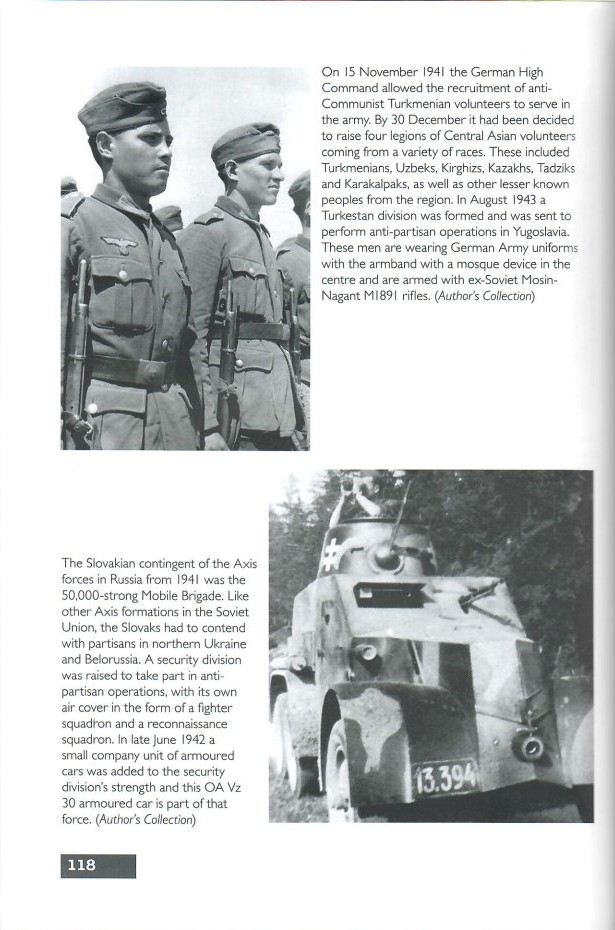
The Germans raised several units of anti-partisan units from the various indigenous groups who suffered under Soviet rule, to include Baltic countries, Belorussians, Ukrainians, anti-Communist Russians (who may have fought for the White Army during the Russian Revolution), and ethnic groups such as the Cossacks, Tartars, Kalmucks, Turkmen, and the most infamous, the Soviet forces who fought against their former Soviet allies.
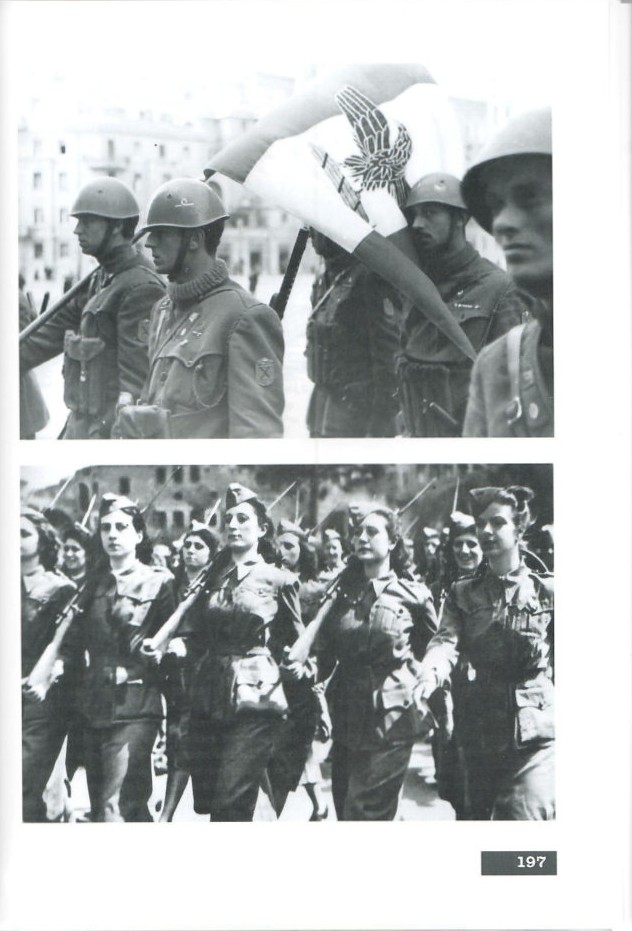
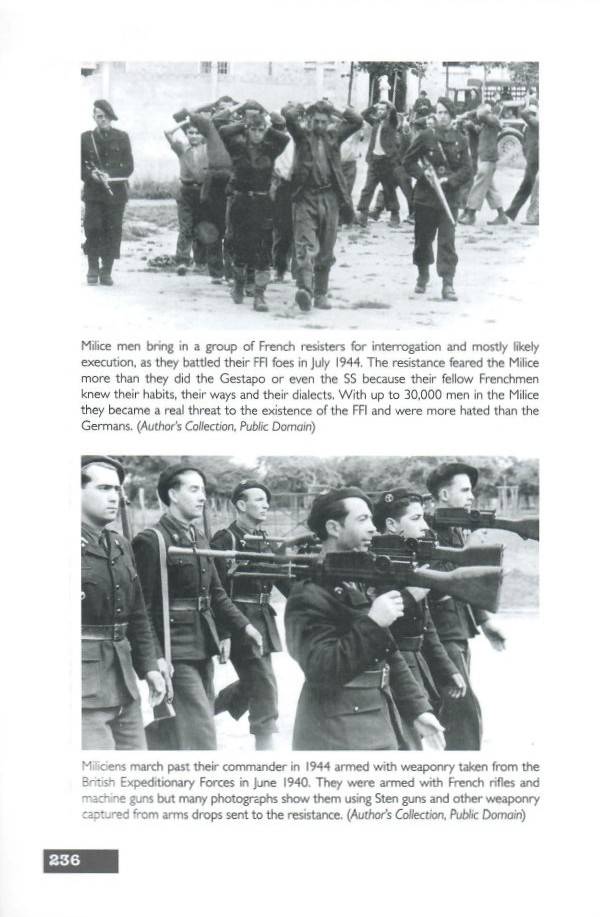
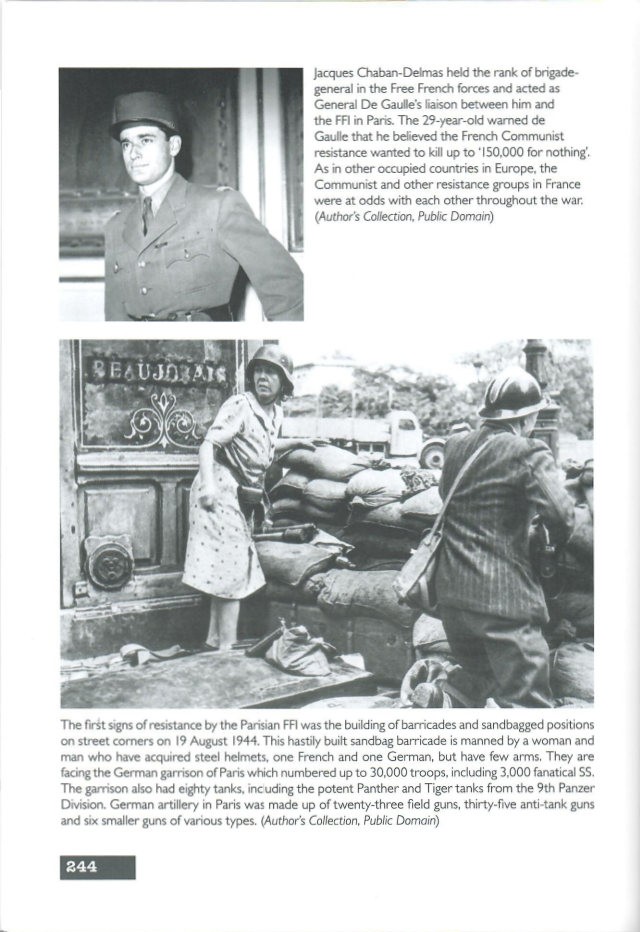
The chapters on the Warsaw Risings (first the Warsaw Ghetto and then Warsaw while the Red Army let both sides bleed out before attacking and overwhelming the German forces), Czechoslovakia (with its division into the Protectorate of Bohemia and Moravia, Slovakia, and Carpathian Ukraine, Italy (which could be its own book after 1943 when a civil war broke out between South and North Italy when Italy moved over to the Allied side, resulting in communist, fascist, anti-fascist and Jewish resistance groups fighting the Allies, Germans and fellow Italians), and France with its partition between German and Vichy French before the Allied invasion. The fighting was brutal and very well detailed.
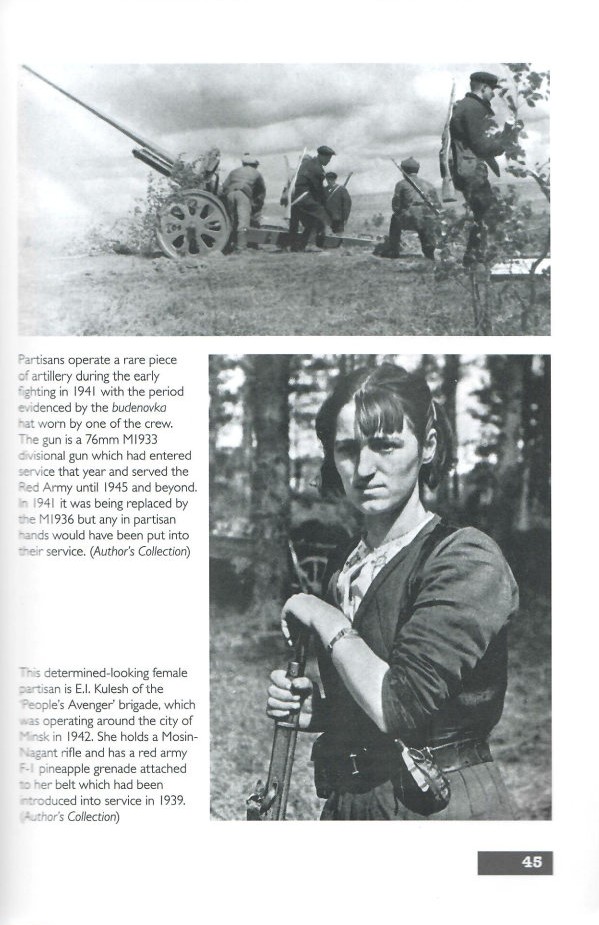
This book really fills a void in the history of European World War II. As usual, the photos are worth the price of the book alone. There are haunting images of humans enduring unimaginable horrors. The exhausted looks of the combatants tell the story in ways words cannot. The author took his time to dig into the various factions and their reasons for doing so. These people didn’t back away from their beliefs and most often gave their lives for what they believed. At the end of the Warsaw Ghetto uprising, the only surviving ZOB (Jewish Combat Organization) Commander, Marek Edelman, “said that the Jews’ inspiration to fight was: ‘Not to allow the Germans alone to pick the time and place of our deaths.” Many fought for the future of their countries after the Germans were defeated, both pro- and anti-communist in those countries that would soon fall on the east side of the Iron Curtain.
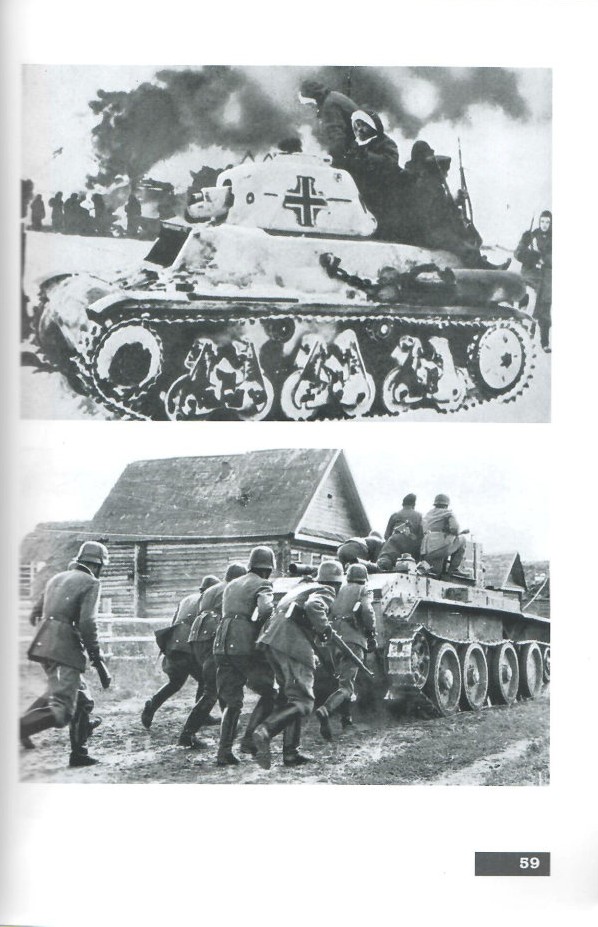
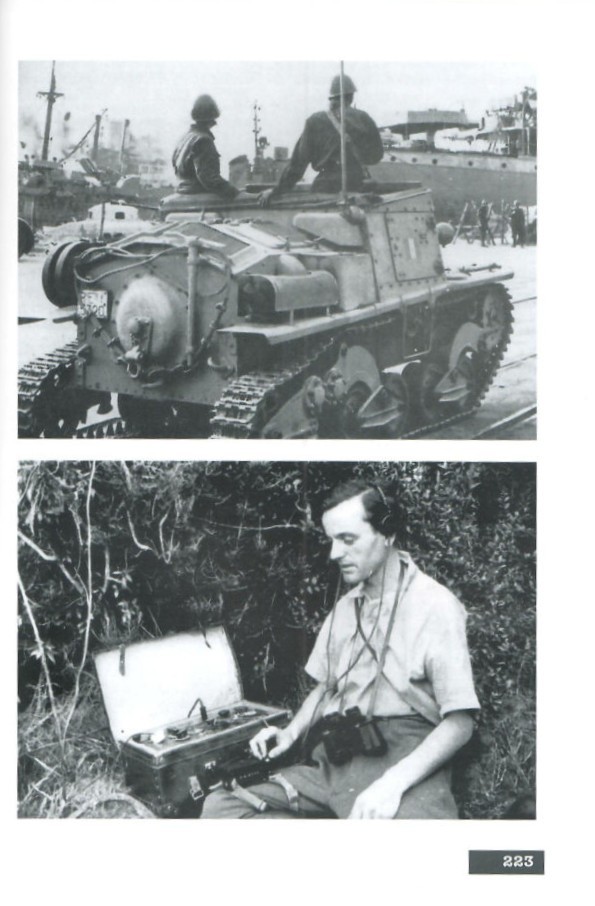
Modelers will be inspired by this book, particularly figure modelers, makers of vignettes and dioramas. While there are a few photos of armored vehicles, particularly French and Italian tanks pressed into German service, the focus is on the fighters. The mix match of uniforms and weapons are numerous with Russian troops pressed into German service with German uniforms and Soviet weapons, Russian partisans with German weapons, and everything in between, particularly when the Allies (primarily British and American) supplied weapons (there is a photo of Poles using PIAT (Projector, Infantry Ant-Tank) launchers).
This story is too big for one book. Fortunately,
A second book will feature the many and diverse partisan forces in the Balkans, including Greece, Yugoslavia and Albania. The partisans and guerrillas were themselves often made up of diverse groups, with many having Communist sympathies. Other groups were anti-communist and fought with the partisans who were under the command of left-wing leaders like Tito in Yugoslavia and Enver Hoxha in Albania.
Profuse thanks to Casemate and IPMS/USA for providing the review sample.
Comments
Add new comment
This site is protected by reCAPTCHA and the Google Privacy Policy and Terms of Service apply.
Similar Reviews