
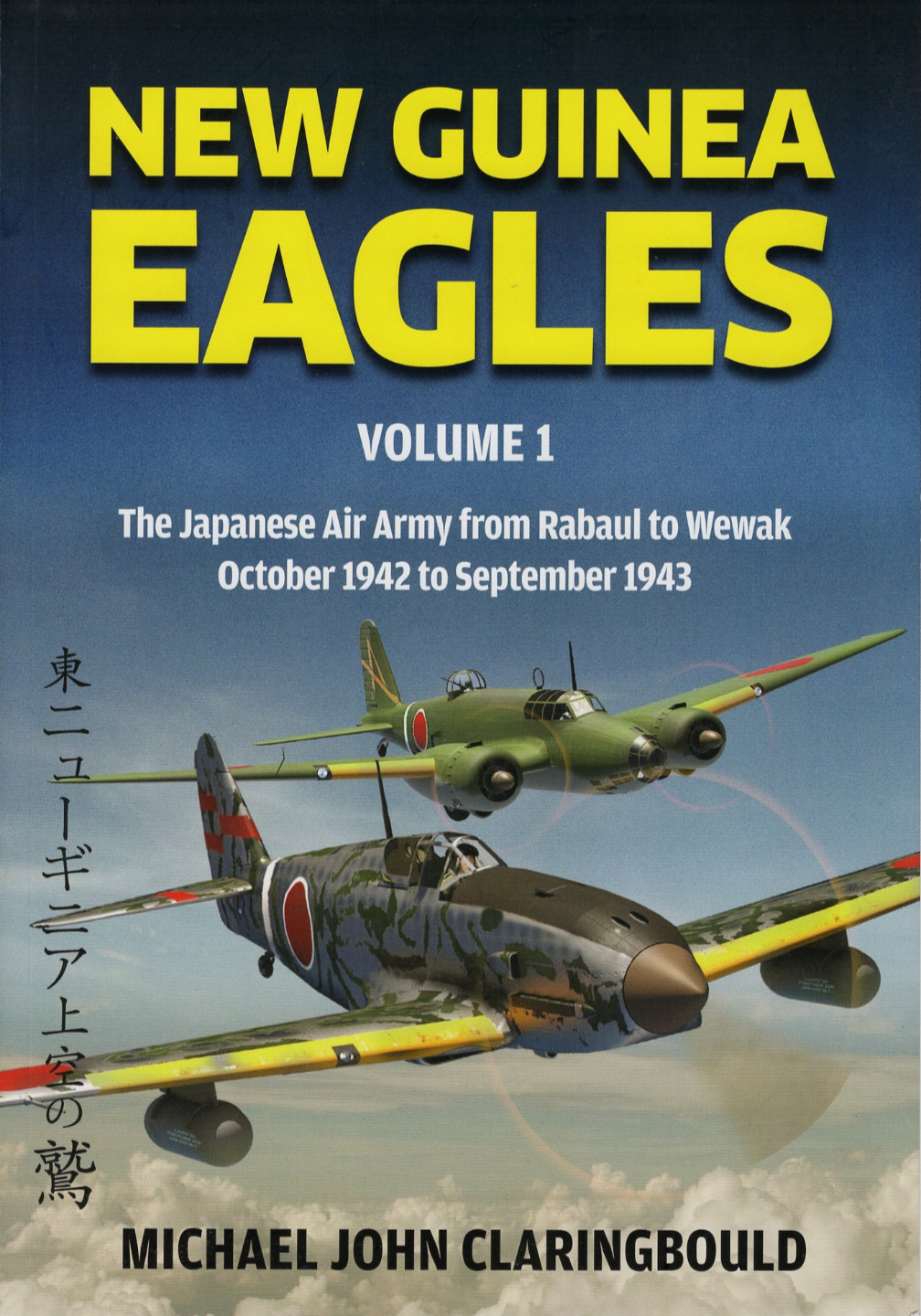
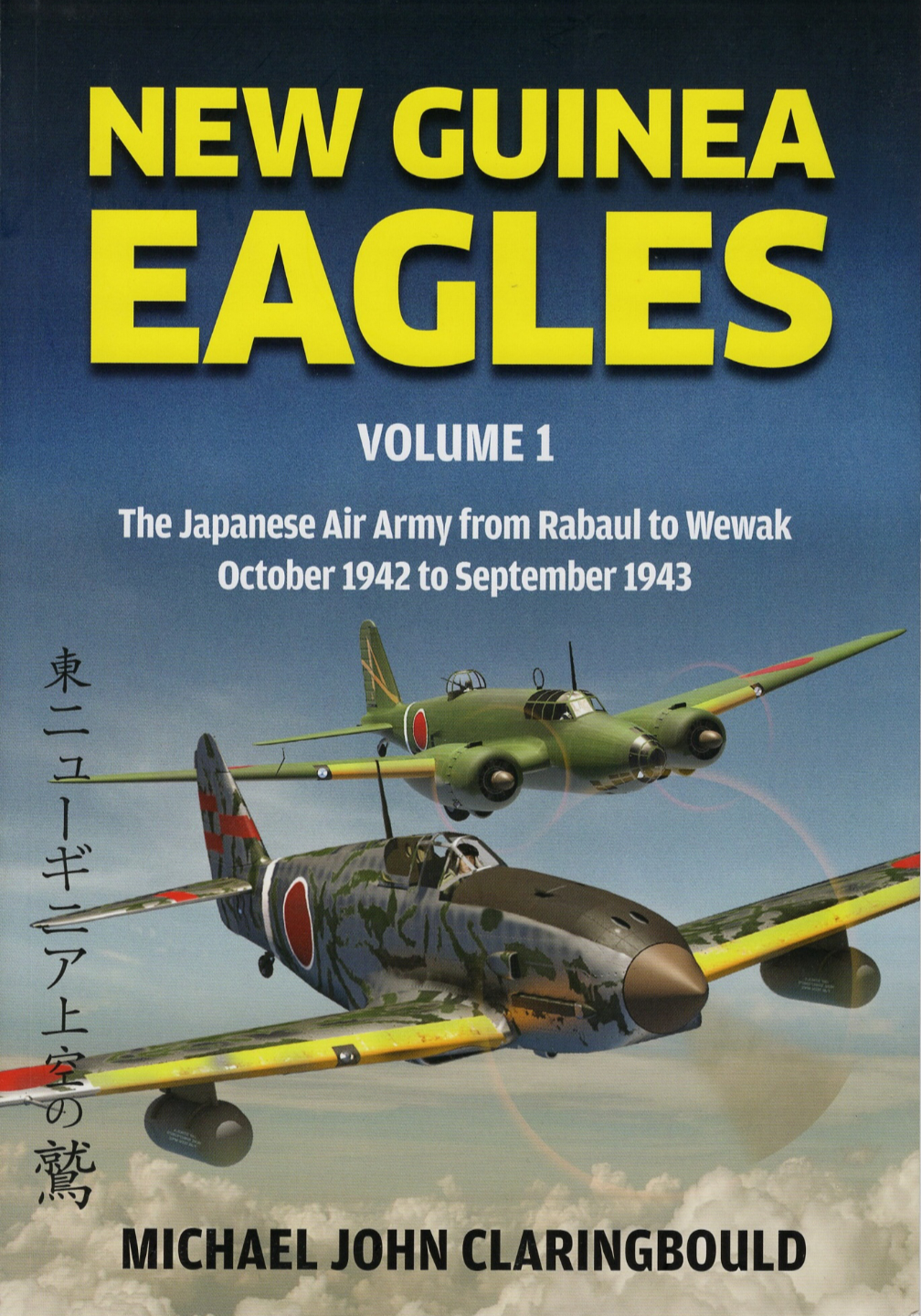
The Japanese Air Army from Rabaul to Wewak - October 1942 to September 1943
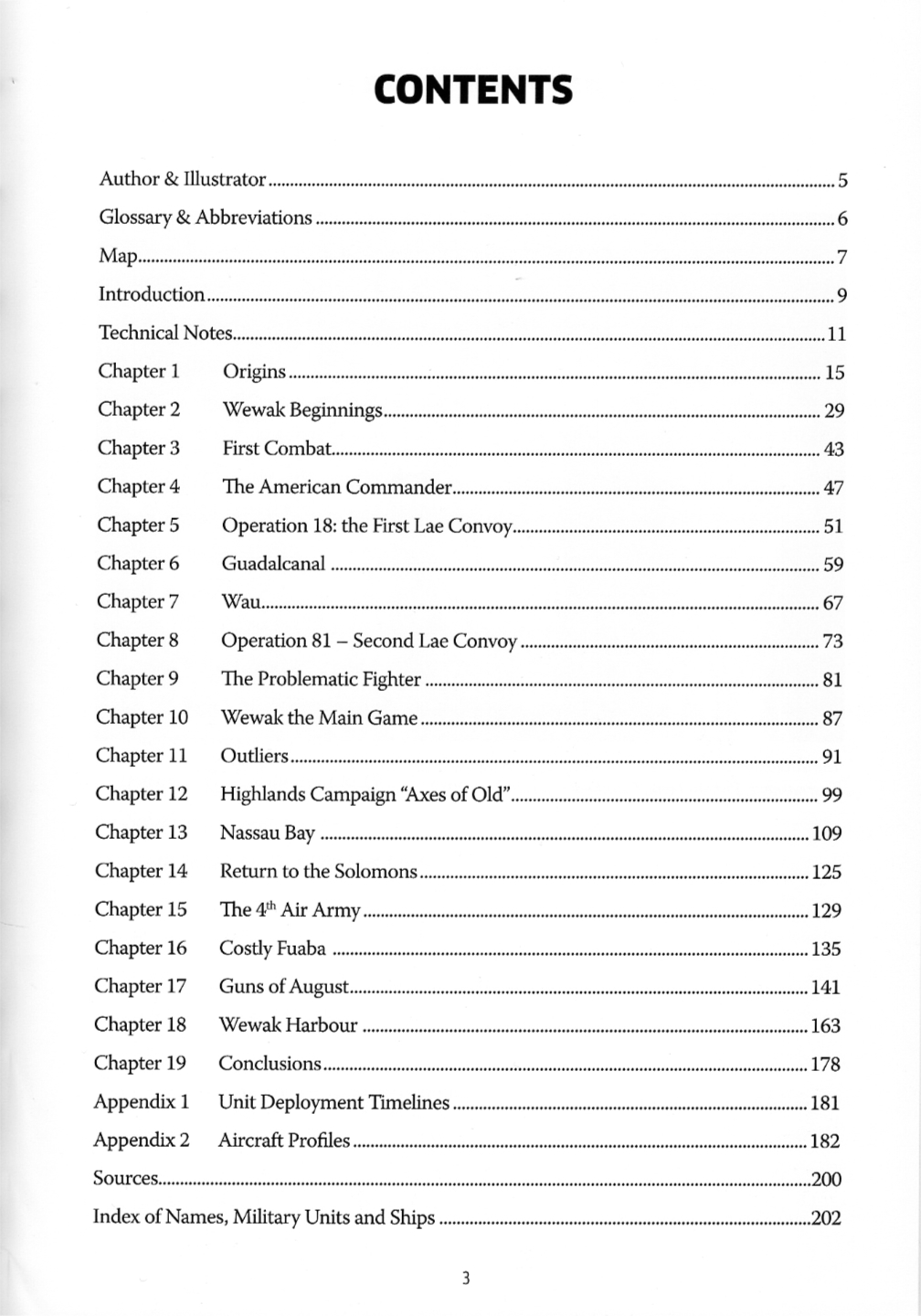
In his extensive series of earlier works, Pacific Profiles and Pacific Adversaries, covering the air war over the southwest Pacific, author/illustrator Michael John Claringbould has described the operations of specific fighter, bomber and reconnaissance aircraft as flown by their particular unit, or specific conflicts between individual pilots and aircraft. In this latest series he ties these operations together in a chronological history of the Japanese Air Army (JAAF) in the New Guinea and Solomon Islands theatres.
Starting with the initial deployment of aircraft to Rabaul, the Army attempted working in conjunction with the Navy in the Solomons campaign while at the same time covering its offensive operations in New Guinea. There they fought a multi-front battle against the weather, terrain, disease, supply limitations and equipment not at all designed to function in such a hostile environment, as well as the Americans and the Australians (and at times the Japanese Naval command). Up until September 1943 the JAAF was able to maintain a rough balance against the Allies, but for how long?
Claringbould does an admirable job highlighting facets of Japan’s New Guinea campaign (both in the air and on the ground) with information rarely discussed in western accounts of the war in the south Pacific. The Army’s early attempts to consolidate and expand their hold on the northeast New Guinea coast around the Huron Gulf (Buna, Lae, Wau and on up the northern coast) as well as around Cape Gloucester on New Britain and down into the central Solomons are described in some detail. Also, the Japanese army’s drive, first to advance into and build bases in New Guinea’s central highlands, and failing that to deny that access to the Australian army and the USAAF is also described.
While covering the overall scope to Japan’s New Guinea operations, Claringbould mixes in accounts of individual air actions between the combatants. In doing so on numerous occasions, he brings up the issue of over claiming, a problem endemic to both sides (easy enough for pilots caught up in the heat of battle, less excusable for higher officials padding the reports as they’re sent up the chain of command). With newer access to both sides’ records, the author is able to compare claims to actual reported losses. The discrepancies can be eye opening.
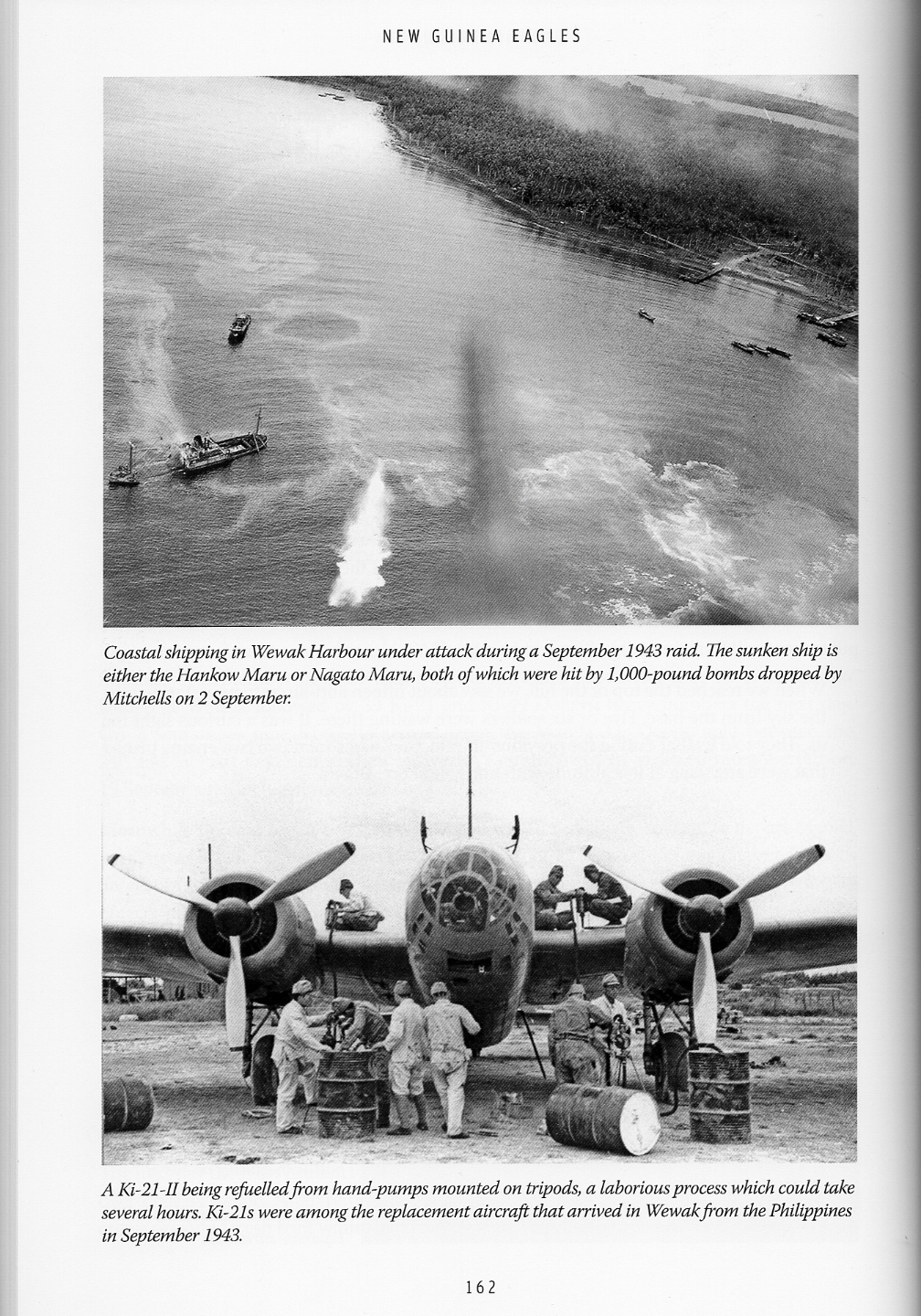
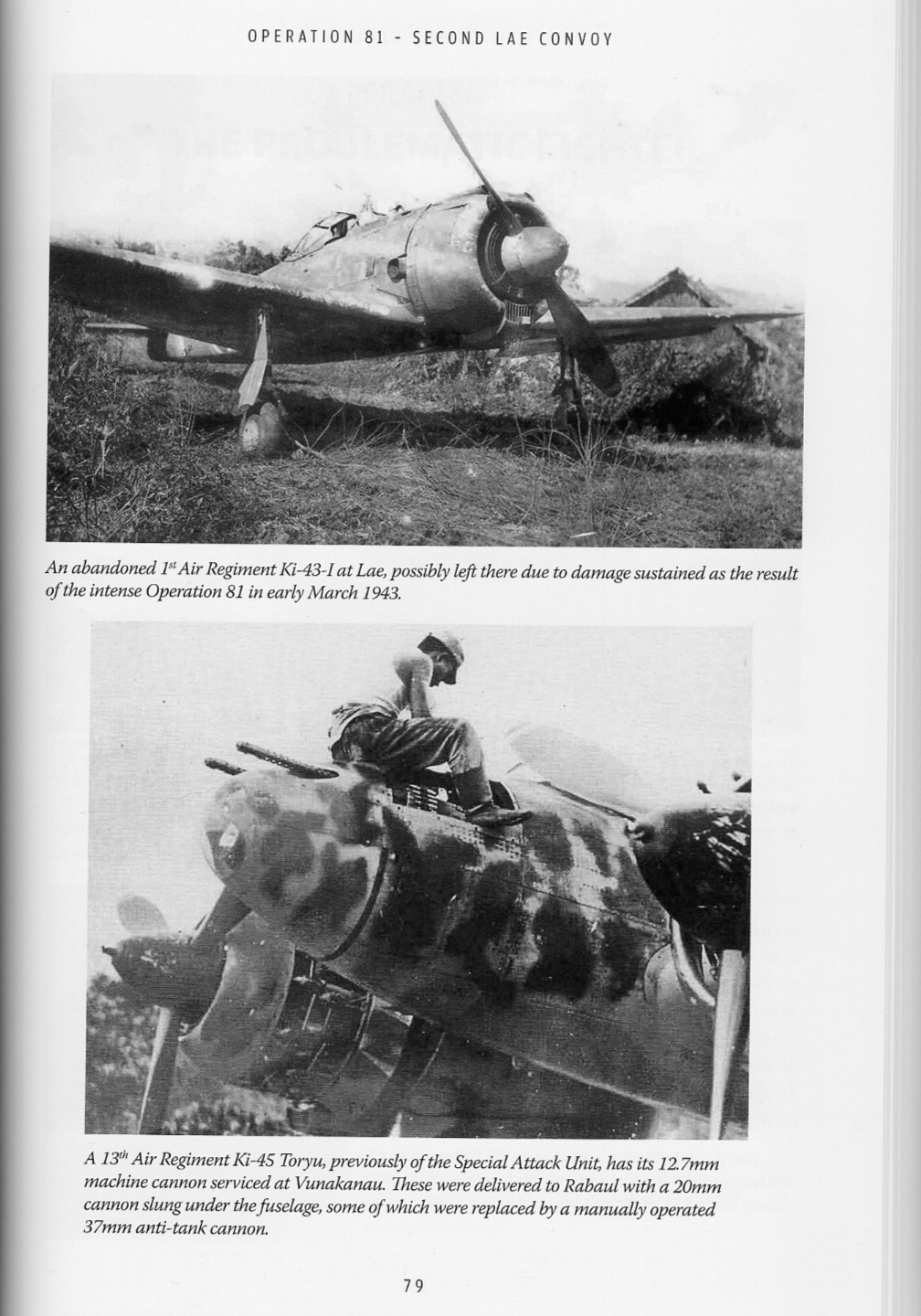
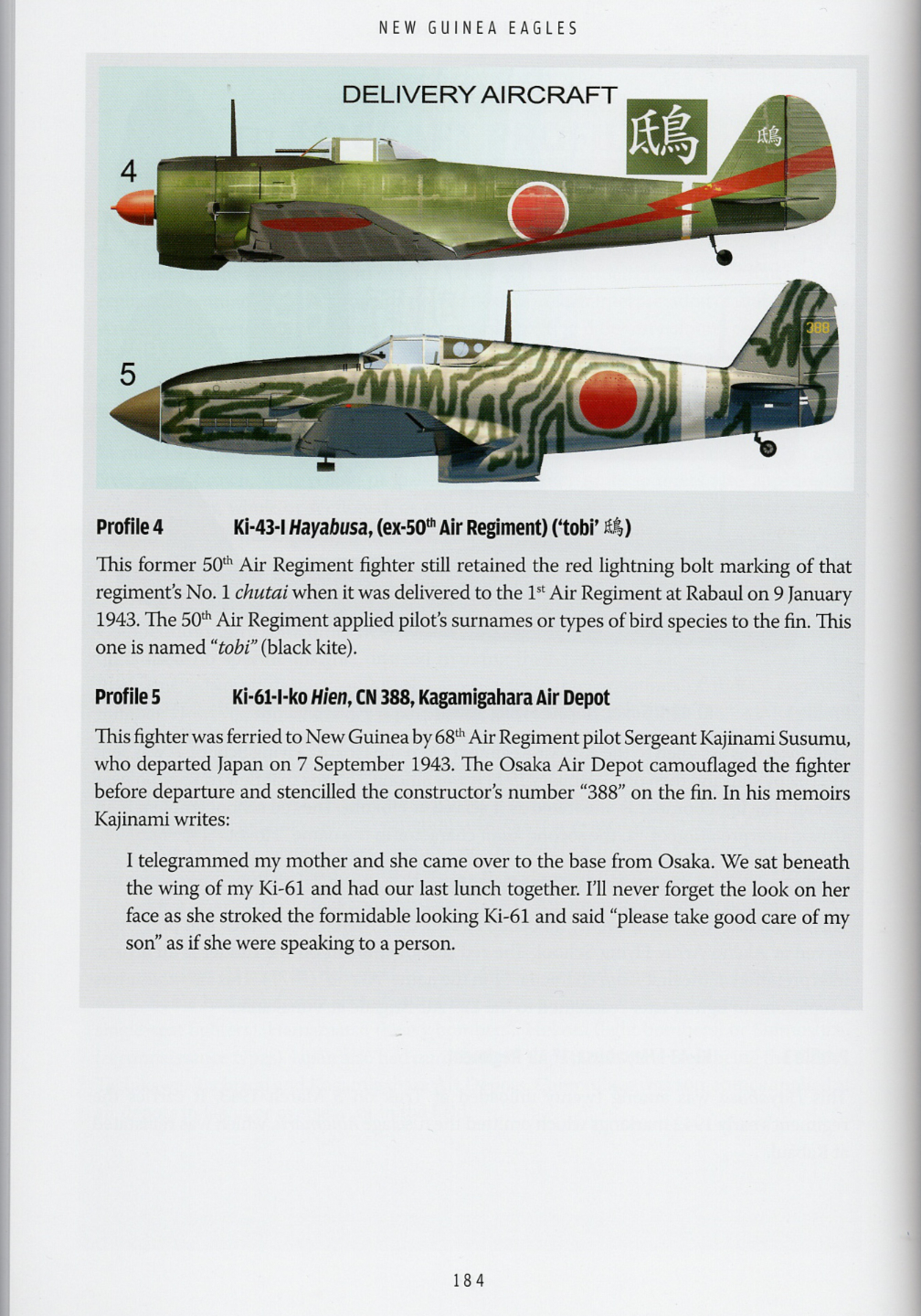
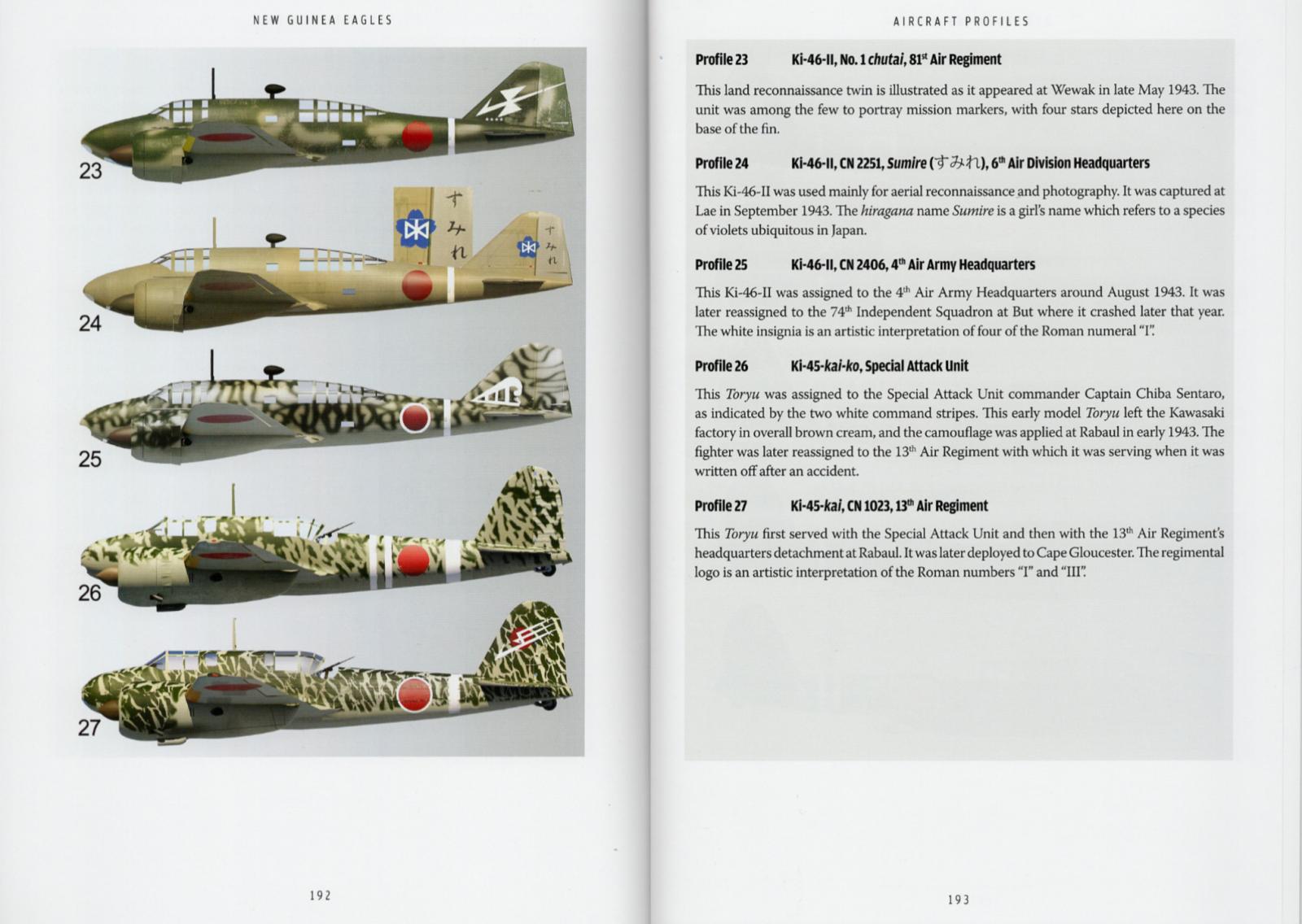
The real heart of this book, however, is the detailed technical and operational descriptions and illustrations of the various aircraft used in theater by the JAAF. Many are familiar, like the Ki-43 Oscar, the Ki-61 Tony and the Ki-21 Sally. Quite a few are less well known, like the Ki-45 Nick, Ki-46 Dinah, the Ki-48 Lily, the Ki-51 Sonia and the JAAF’s best heavy bomber, the Ki-49 Helen. These aircraft flew extensively over New Guinea and are described in detail. Last but not least are the profiles, 42 in total of all the different types. Some of the profiles and photos are carry overs from the author’s earlier works but many are new as are all of the author’s illustrations for this volume.
Whether or not you’ve read any of Claringbould’s earlier works, this series is a well-researched and documented primer of the JAAF’s struggle in New Guinea. Thanks to Casemate Publishing and IPMS for the opportunity to review this excellent book.
Comments
Add new comment
This site is protected by reCAPTCHA and the Google Privacy Policy and Terms of Service apply.
Similar Reviews