
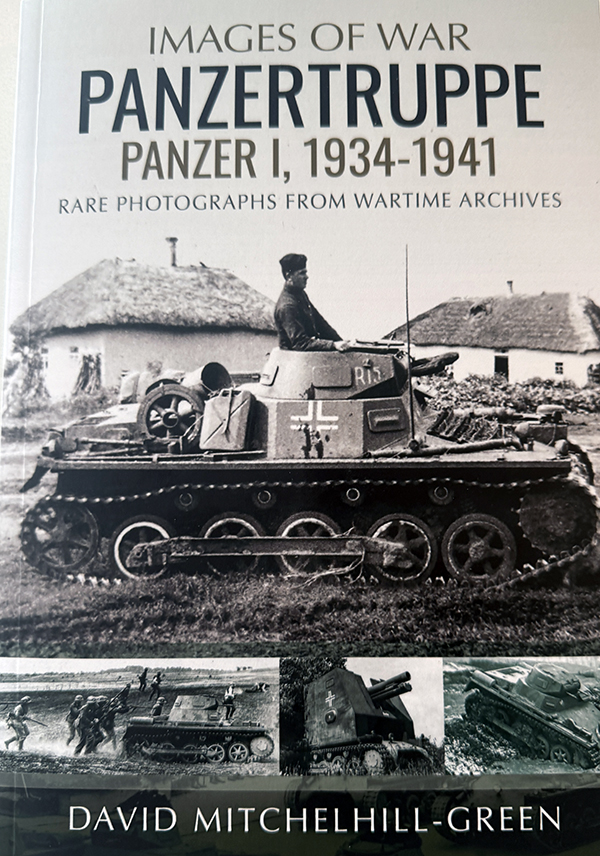
Images of War: Panzertruppe Panzer 1, 1934-1941
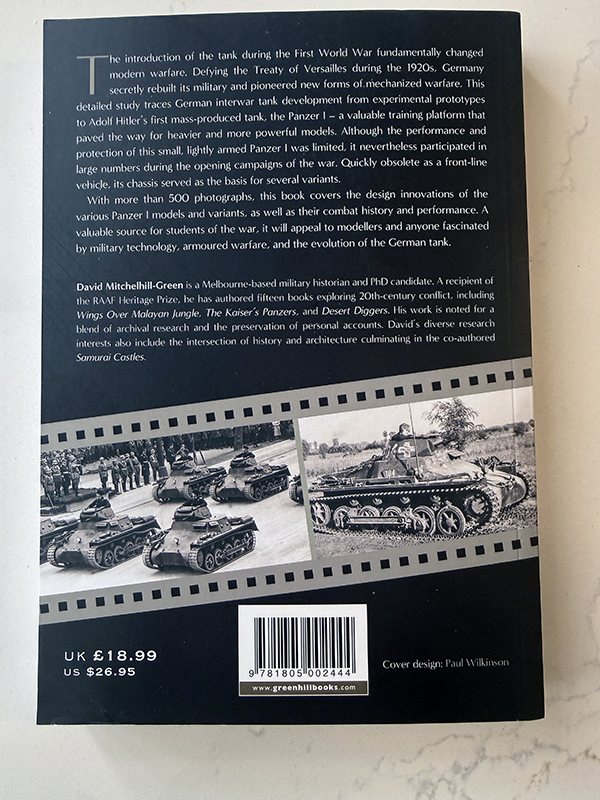
The book examines the early development of German armored forces in defiance of the Treaty of Versailles. It traces the evolution from experimental prototypes in the interwar period to the Panzer I (Panzerkampfwagen I / Sd.Kfz. 101), Hitler’s first mass-produced tank.
Although small, lightly armed, and limited in combat performance, the Panzer I played a key role in training Panzer crews and enabling the early Blitzkrieg campaigns. It saw action in the invasions of Poland, Denmark and Norway, the Low Countries, France, and the early stages of the campaign in the Soviet Union. The volume covers design innovations across models and variants, combat history, operational performance, pre-war training, and its contribution to later, more powerful German tanks.
The book is organized around the development, technical features, training role, and combat employment of the Panzer I (and related early Panzertruppe equipment) from the mid-1930s through 1941:
- Secret/experimental development in the 1920s–early 1930s in defiance of the Treaty of Versailles, leading to the first mass-produced German tank.
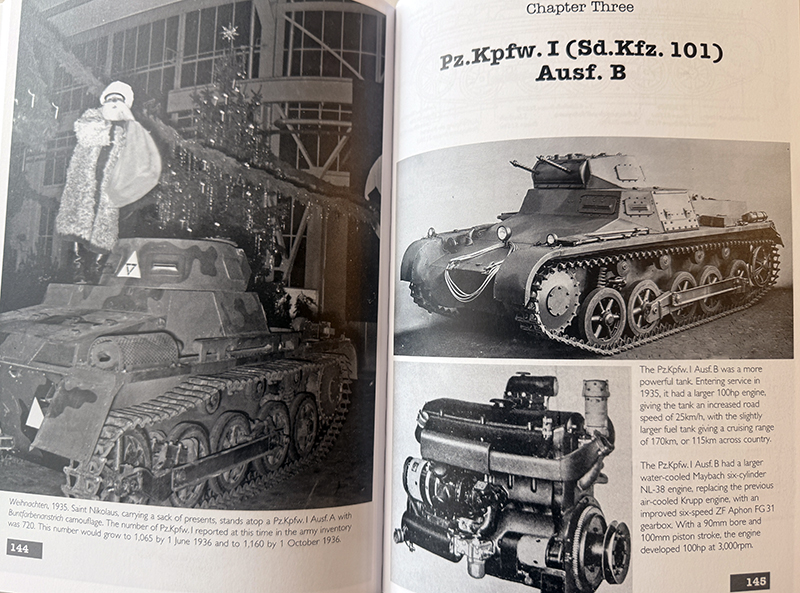
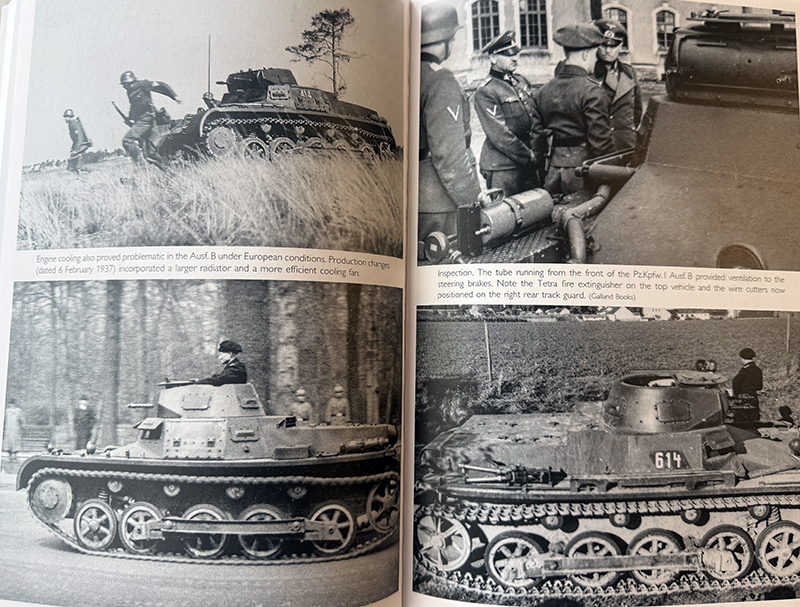
- Design innovations, models, and variants of the Panzer I (Ausf. A, Ausf. B, command versions, training vehicles, and early special-purpose conversions).
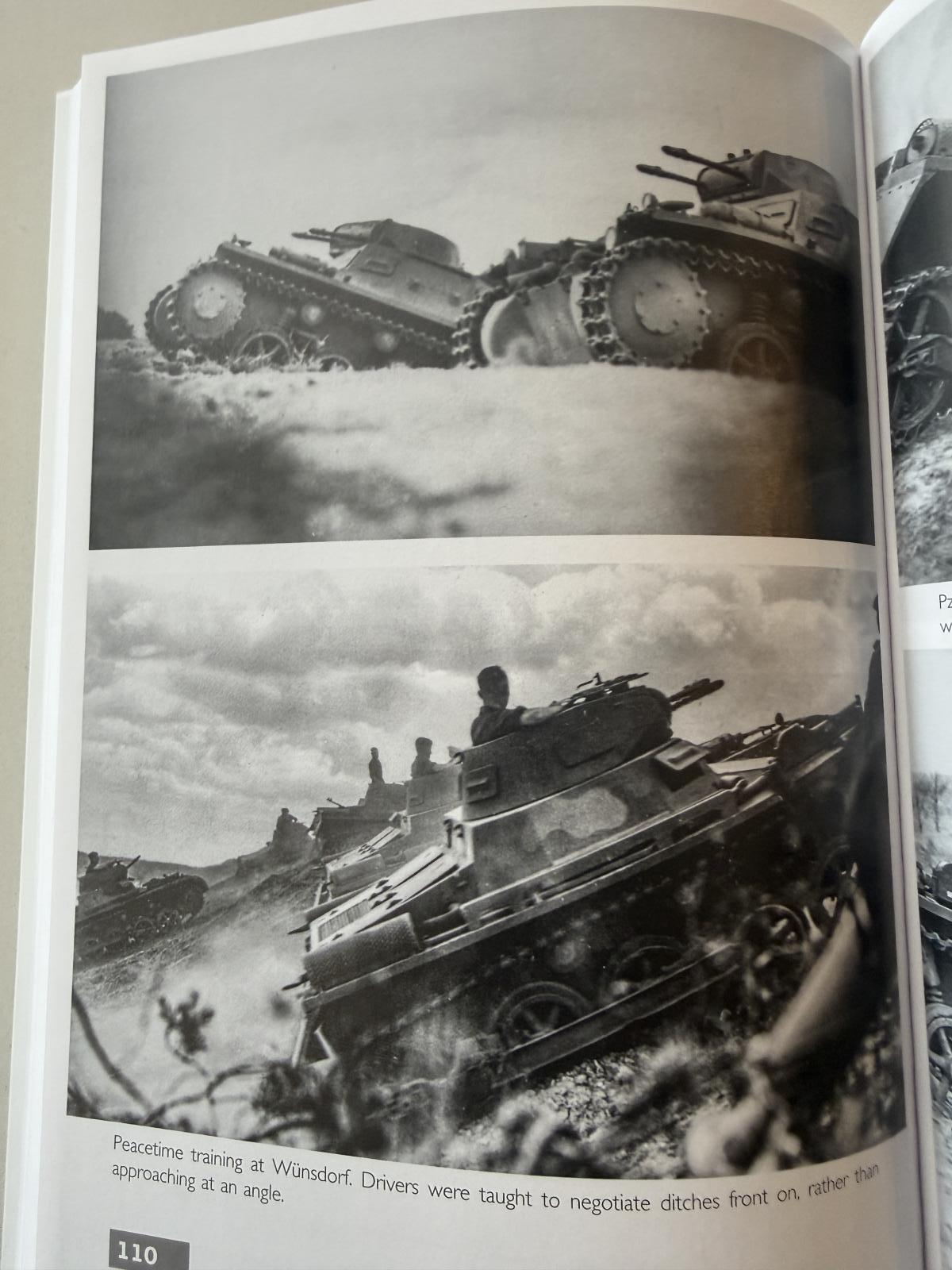
- Pre-war training and the role of the Panzer I as a crew-training platform for the expanding Panzertruppe.
- Combat performance and operational use in the early Blitzkrieg campaigns: Poland (1939), Denmark and Norway (1940), the Low Countries and France (1940), and the opening phase of the invasion of the Soviet Union (1941).
- Limitations of the lightly armed and armored vehicle, its contribution to later heavier designs, and overall assessment of its historical significance.
- Design features, innovations, and limitations of this small, lightly armed and armored vehicle (typically equipped with twin machine guns).
- Its role in training the nascent Panzertruppe and preparing crews for mechanized warfare.
- Combat use in the opening campaigns: the invasions of Poland (1939), Denmark and Norway, the Low Countries and France (1940), and the early stages of the invasion of the Soviet Union (1941).
- How the Panzer I served as a foundation for later, more powerful German tanks despite its combat shortcomings.
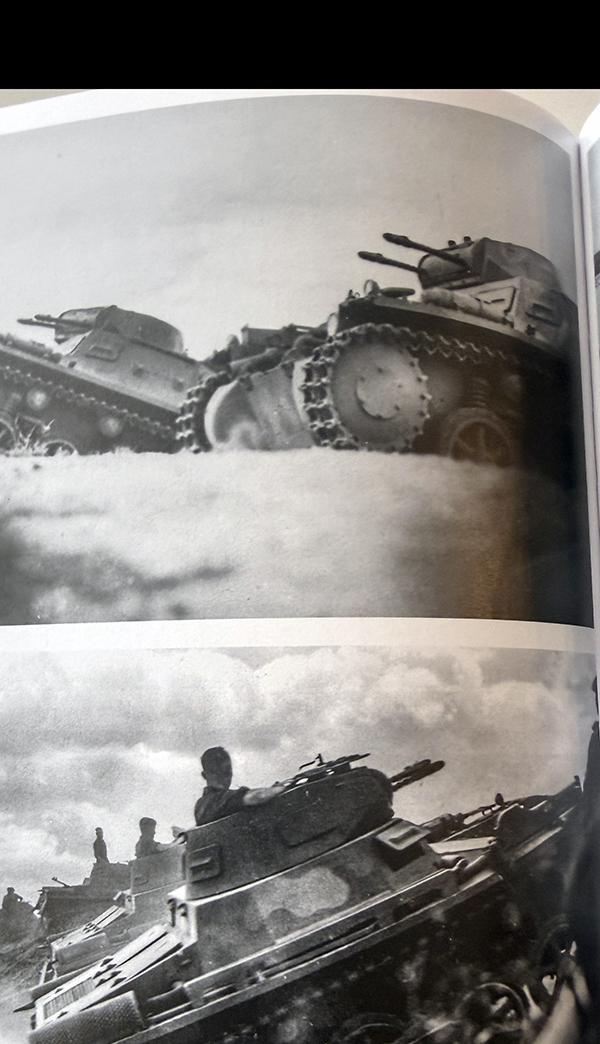
The volume contains more than 200 black-and-white photographs drawn from wartime archives (many described as rare or previously unpublished), accompanied by researched captions and supporting text. Like other titles in the series, it prioritizes visual documentation over extensive narrative chapters.
As with other titles in the series, it pairs well-researched text and detailed captions with a large selection of archival photos, making it useful for military historians, students of armored warfare, modelers, and enthusiasts of early WWII German technology.
https://www.penandswordbooks.com/9781805002444/images-of-war-panzertruppe-panzer-i-19341941/
Thanks go to Casemates for providing the publication and the IPMS for the opportunity to review it.
Comments
Add new comment
This site is protected by reCAPTCHA and the Google Privacy Policy and Terms of Service apply.
Similar Reviews