What's New

Review Author
David Horn
Published on
Company
Hobby Boss
Scale
1/48
MSRP
$29.00

Aircraft and History

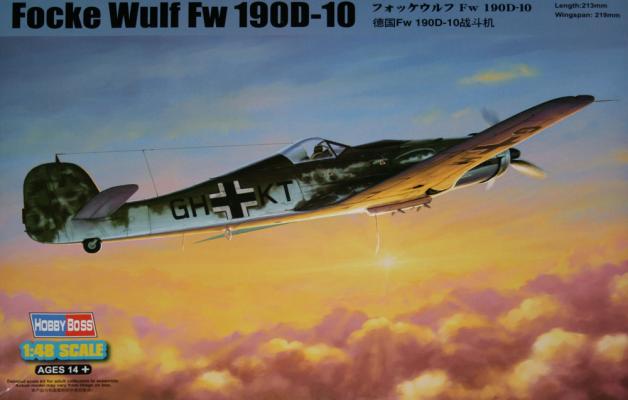
The Focke-Wulf Fw-190 series aircraft may be the best German fighter aircraft in WWII. Developed by Kurt Tank in the late 1930’s, it proved itself in combat over France in 1941. The first Fw-190’s had a radial engine but later on, an inverted V-12 engine was installed and the Fw-190D series was born. This subject, Fw-190D-10 is an interesting subject, only two prototypes were produced and the D-10 did not make it to production. Many of the featured used on the D-10 were later used on the TA 152.

Kit

This kit has superb detail inside and out. Cockpit detail is nice and some photo etch is provided. The real gem is inside the wheel bays, you can see the back of the engine and super charger components. All of the control surfaces except the elevator can be displayed in a deflected position.
Review Author
Rod Lees
Published on
Company
Quickboost
Scale
1/48
MSRP
$12.00

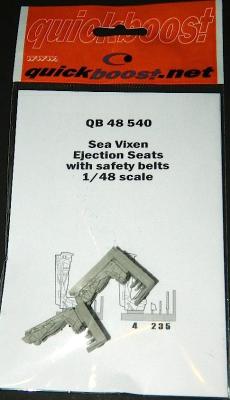
Thanks again goes out to our friends and suppliers at Quickboost for yet another outstanding upgrade for a good kit, namely the Airfix Sea Vixen. If you are into Vacuforms, you could also use it on the Dynavector kit if you so desire (and have one).

These seats are designed for “right” and “left” sides, i.e. the #1 seat is for the pilot (Stick actuator), and seat #2 (as indicated on the pour stub) is for the “right”, or Radar systems operator position (in the “coal hole” as many called it).

This took maybe an hour to paint and dry; as there are no color instructions, I found a few internet pictures to determine the information I needed. The back pad was painted in leather brown, and the seat pad in dark green. Drybrush with white, pick out some details in silver, and it’s done.

Review Author
Dave Koukol
Camden Koukol
Published on
Company
Dragon Models
Scale
1/35
MSRP
$43.39

Background

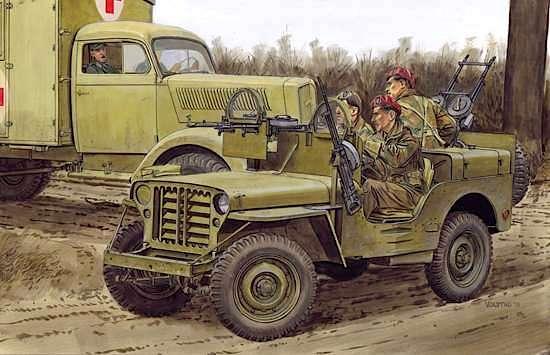
One of the most recognizable Allied vehicles of World War II was the Jeep – or ¼ Ton 4x4 Truck. Outfitted for a variety of roles, one of the most dashing was the role of British Special Air Services (SAS) “raider” operating far behind enemy lines. Equipped with extra fuel tanks, Vickers machine guns, and bullet-proof driver and passenger windshields, the SAS Jeeps were lightweight, agile, rugged vehicles well-suited for commando operations focused on disrupting enemy activity.

Review Author
Dave Koukol
Camden Koukol
Published on
Company
Dragon Models
Scale
1/35
MSRP
$71.59

Background

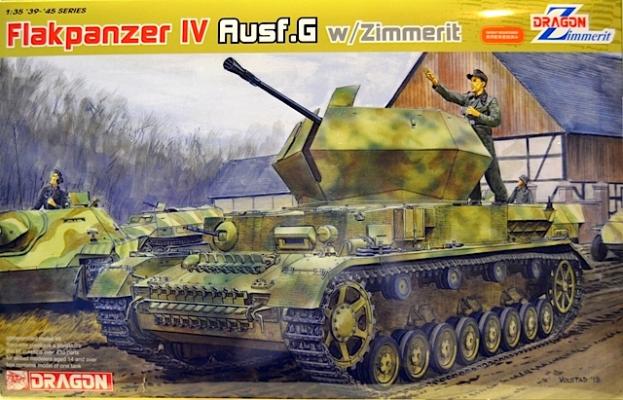
With increasing Allied air dominance in the European Theater in World War II, German armored forces found themselves in need of mobile and survivable anti-aircraft defenses to cover and protect their operations on all fronts. Originally equipping wheeled and half-tracked vehicles as self-propelled anti-aircraft platforms, the requirement for a more robust solution was quickly recognized. The solution came in the form of salvaged chassis from damaged Panzer IV variants retrofitted with anti-aircraft armament. One of the final variants to see combat operations was the Flakpanzer IV "Ostwind" (“East Wind”). The Ostwind’s single rapid-firing 3.7cm Flak 43 and increased armor was a marked improvement over its “Wirblewind” predecessor’s quad 2 cm mount. Of the 100 Ostwinds originally ordered, only 44 were completed by March 1945.

Book Author(s)
Various
Review Author
Dave Morrissette
Published on
Company
Scale Aircraft Modelling
MSRP
$12.00

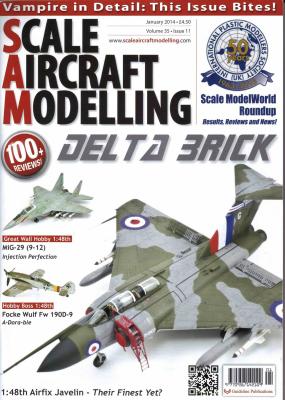
Each issue of Scale Aircraft Modeling follows a basic design and format. There are usually two Feature Articles, an Aviation in Profile piece, industry news and a series of Compact Build Reviews.

The Feature articles for this issue covers a magnificent build of Airfix new Gloster Javelin Mk 9 and also a 1/48 Academy BAe T-59 Hawk. The Airfix Javelin build by Mike Williams covers the construction and painting in detail with excellent shots of the cockpit and all internal detail. He finishes with an excellent paint scheme and the kit looks fantastic.

The other Feature article from Brian Wakeman covers building the Academy BAe Hawk in Korean trainer markings. The Korean trainer version requires adding a replacement nose. Detail is provided on this and upgrading the cockpit and also an excellent painting and weathering guide. This finished shots look awesome.

Review Author
Walt Fink
Published on
Company
Scale Aircraft Conversions
Scale
1/72
MSRP
$12.95

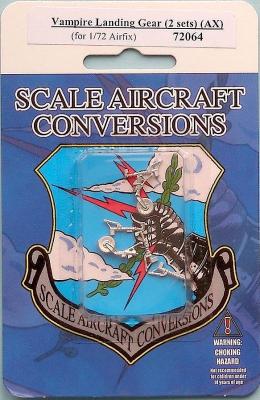
SAC continues their production of replacement landing gear parts for various kits. This set, engineered for the newly tooled 1/72 Airfix Vampire T.11, is a faithful and delicate copy of the kit parts, but undoubtedly stronger. In the photo below the plastic kit parts are on top with the SAC parts below them for comparison.

I was impressed with the thinness of the main gear doors and the smooth surface texture of all the parts. No pits, no holes, and compared with the kit parts, all was true, including the keyed axles. There’s a little bit of flash needing cleanup, but then, that exists on the plastic parts, too. A few swipes with a fine file will take care of it.

Vampire models are notorious tail-sitters and need a fair amount of weight in their small nose cavities, but the SAC nose gear won’t help much in that regard---it’s about the same weight as the kit’s plastic one.

Review Author
David Wrinkle
Published on
Company
Dragon Models
Scale
1/35
MSRP
$67.00

The Kit

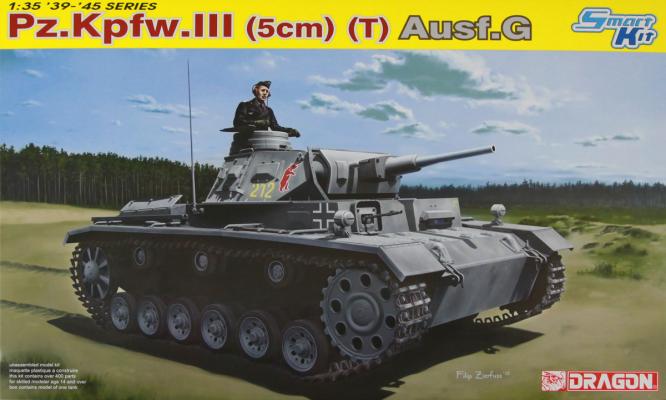
This is my first Dragon Pz. III build and my overall impression of the kit is very favorable. The parts are very well molded with fine, delicate detail and no flash to speak of… almost. I found only a few small fit and engineering issues that take away from the overall build experience. In general the kit builds up like any other newer Dragon armor kit. The other thing I noticed was a bunch of parts. However, you will notice that nearly half of them are not used in this version of the Pz. III.

The Hull comes with no interior detail other than the hull mounted MG and the torsion bars for the suspension. With an aftermarket interior, you wouldn’t see much if any of the bars anyhow. The turret does have some detail, but it is limited to the gun breech, spent shell basket, commander’s step / seat and the interior portion of vision slits.

Review Author
Roger Rasor
Published on
Company
Quickboost
Scale
1/48
MSRP
$8.49

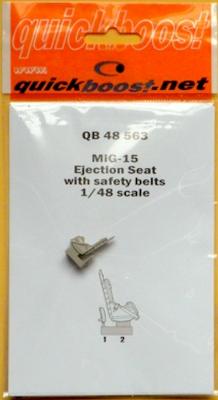
Quickboost has released a highly detailed MiG 15 ejection seat to replace the ones found in the Trumpeter and Tamiya 1/48 scale kits. The seat may be easier to find than the Tamiya kit these days, but it is a welcome detail part for anyone with that kit. Anyone building the easier to come-by Trumpeter kit will likewise be pleased with the opportunity to considerably enhance the cockpit of that kit by adding this one detail. The Quickboost seat captures the look of the prototype very nicely with crisp (and more refined) details, and realistic molded-in safety belts that will add much to the cockpit of either kit.

Review Author
Rod Lees
Published on
Company
Master Model
Scale
1/48
MSRP
$6.00

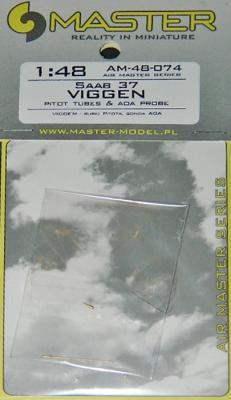
Master Models is one of those companies who have stepped up to deliver what we really need; durable, accurate metal pitot tubes and probes for our fast-mover jets. THANK-YOU VERY MUCH for filling the void!

The only thing I will say is to be careful with them, as they can turn your house into a doctors’ office for injections in little time!

These 3 little (and I mean tiny, miniscule, actually “Scale”) bits are perfect to add to your model. First, they are made of brass, which makes them durable but not “unbendable” like stainless steel or actual needles; they have a bit of “give” when “tweeked”, but return to shape. That means you won’t have the same issues as resin pitot tubes where the cat breathes on the parts and they go flying off into the netherworld!

Second: Where else are you going to find such great metal machine work at a reasonable price? Only with Master Models!

Review Author
Dave Koukol
Published on
Company
Dragon Models
MSRP
$64.00

Background

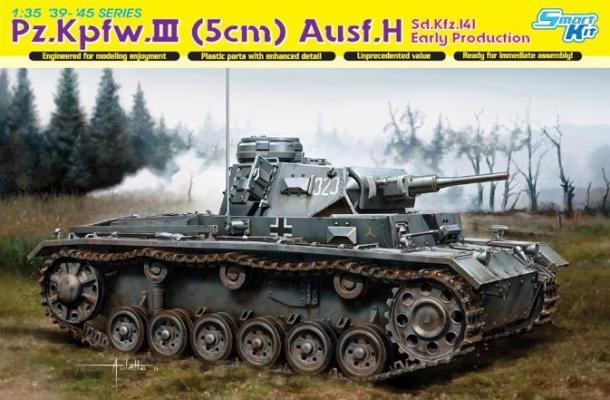
Based on requirements laid down in 1934, and first seeing production in 1937, the Panzer III was fielded as the primary battle tank of the Wehrmacht at the outset of World War II. Upon engaging the Red Army’s T-34’s and KV-1’s it was evident the Panzer III was at a significant disadvantage. The E-, F-, and G- models were retrofitted with a larger 50mm main gun, which became standard on the –H model along with additional armor bolted to the rear, glacis and front superstructure of the hull. The Ausf. H also received an improved transmission and redesigned sprockets and idlers. Of an initial order of 759 Ausf.H’s, only 308 were produced until April 1941.