
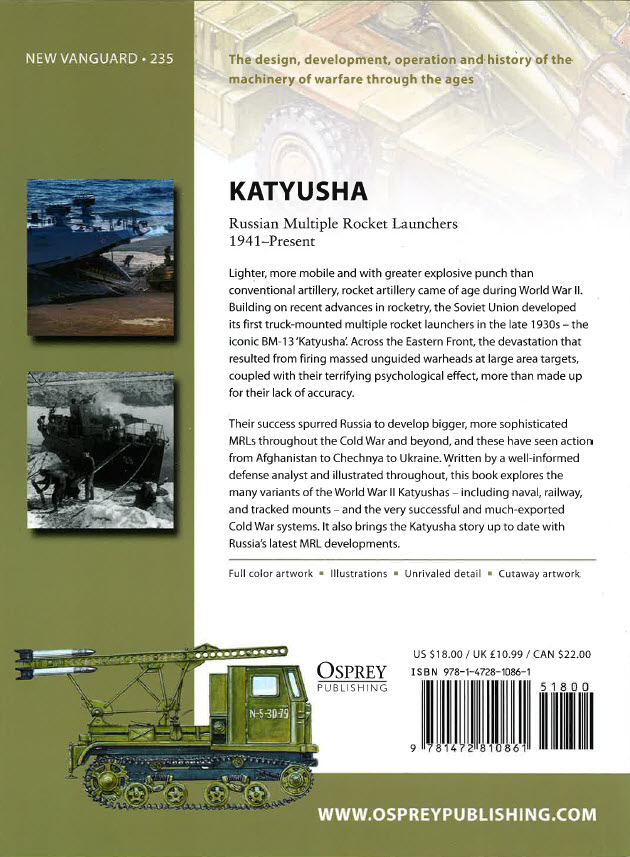
Katyusha: Russian Multiple Rocket Launchers 1941–Present
The newest in Osprey’s New Vanguard series is authored by Jamie E. Prenatt is a Department of Defense senior analyst, with a particular interest in weapon systems development. He has over 30 years of military and civilian intelligence experience. He holds a Masters in Government/National Security Policy from Georgetown University. He has taught military history, war-gaming, and historical miniature painting at the Smithsonian Institution for several years.
Adam Hook began working as an illustrator in 1983. He specializes in detailed historical reconstructions, and has illustrated Osprey titles on subjects as diverse as the Aztecs, the Ancient Greeks, Roman battle tactics, several 19th-century American subjects, the modern Chinese Army, and a number of books in the Fortress series.
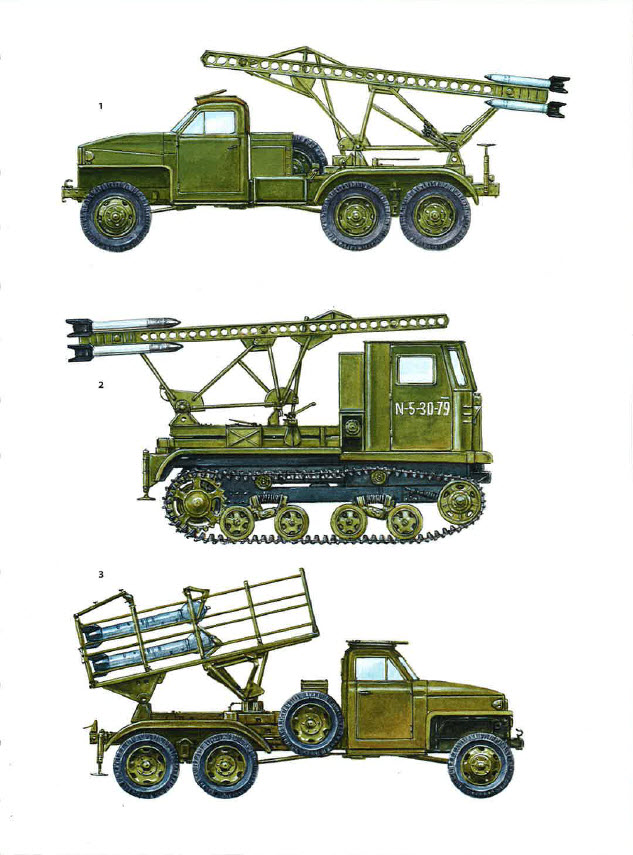
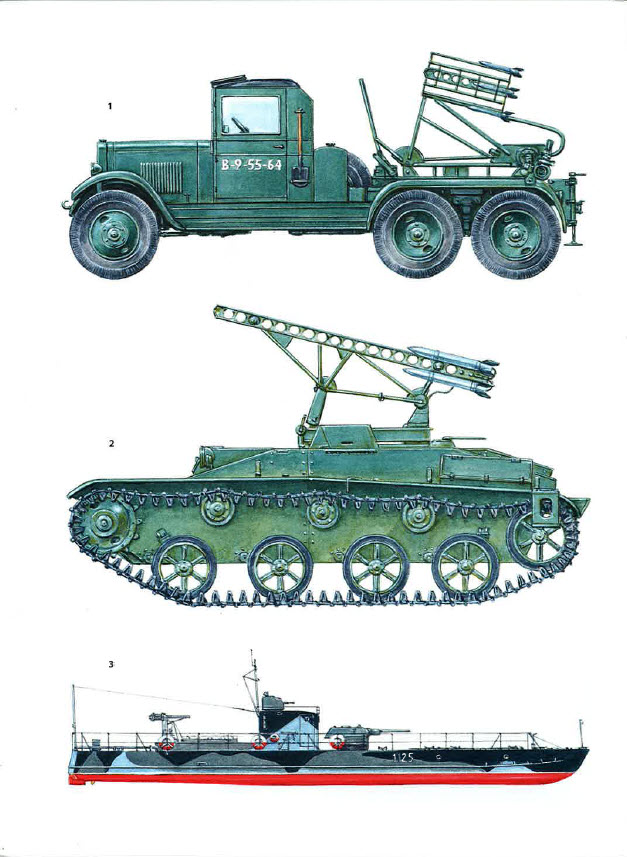
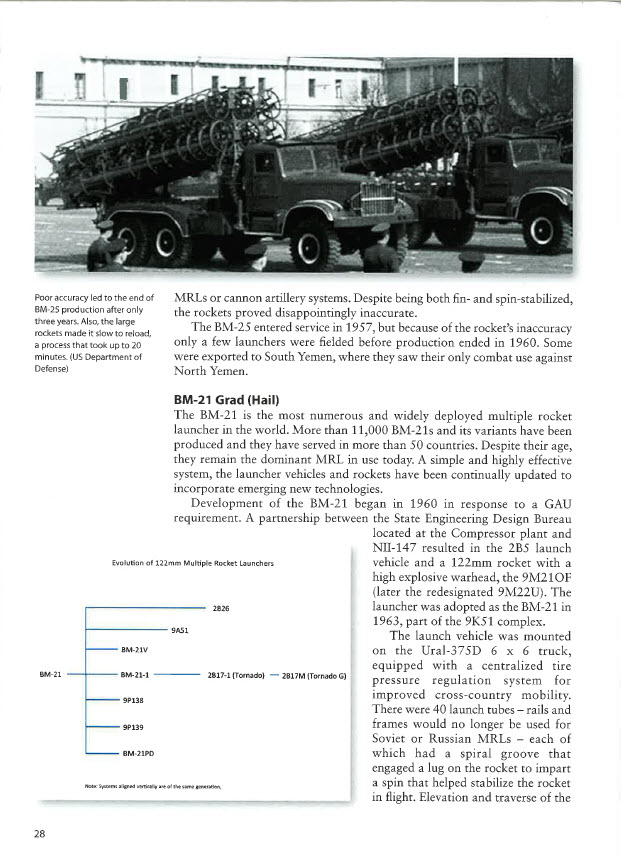
I counted 21 black and white photographs, 19 color pictures, and 15 color plates. To help make sense of the various MRL models, Prenatt includes 10 tables and graphs to illustrate their evolution and capabilities.
The use of rocket batteries without a doubt goes back to pre-history in China, but the first noted use was in the 1300s. However, it was the Russians that developed the concept of mobile Multiple Rocket Launchers (MRL) and utilized them as a serious weapon in the last century. Russia developed its first military rocket in 1817 and rockets were used extensively in the 1828-1829 Russo-Turkish war. Russia continued to pursue improvements in the field of rocketry leading to solid-fuel rockets. Mounting MRLs on trucks provided the mobility that the Russians were looking for and that is what Jamie Prenatt covers in this book.
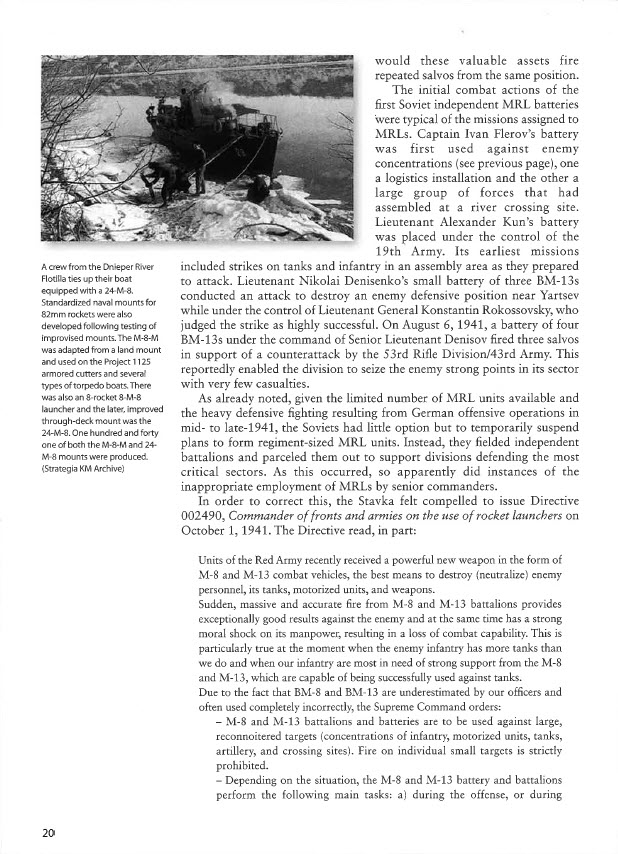
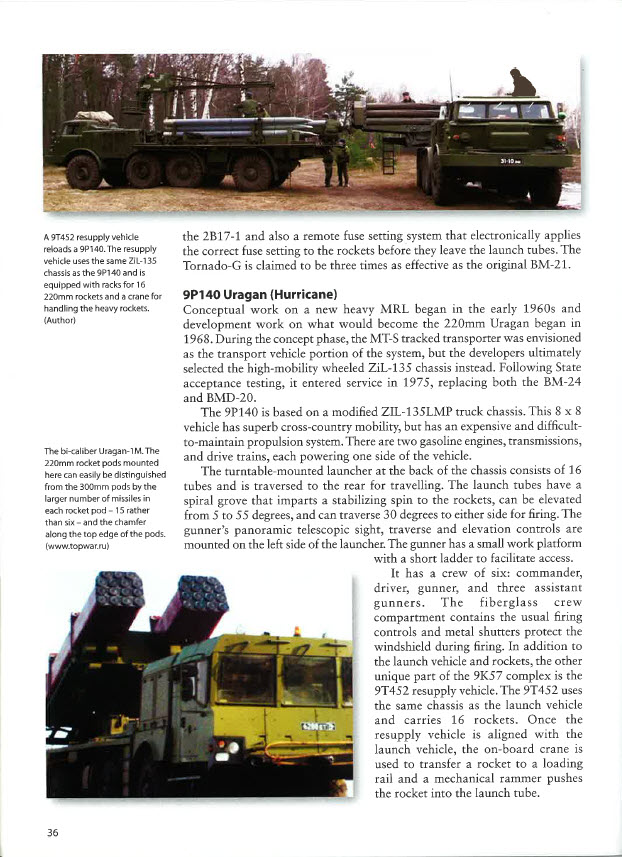
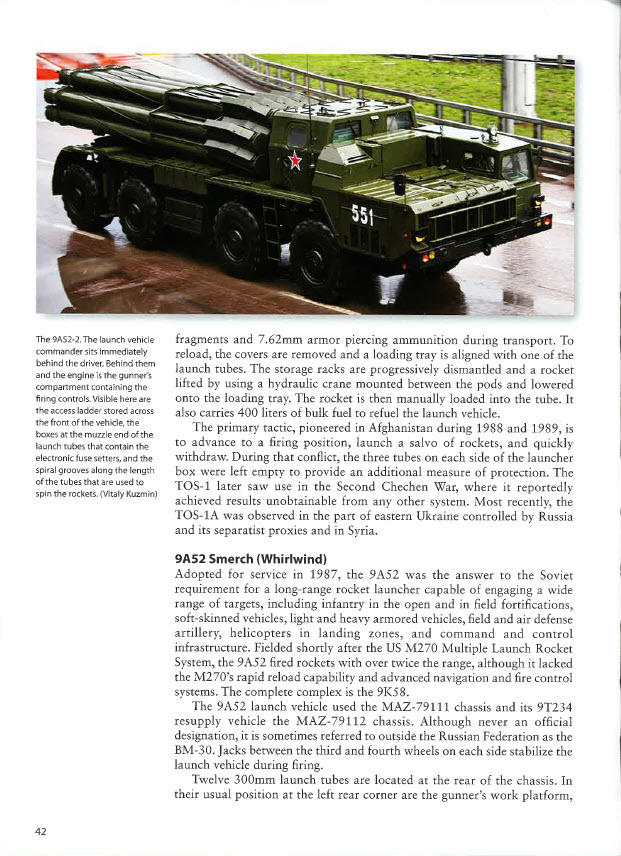
Jamie Prenatt presents a detailed overview of Russian MRLs jammed into Osprey’s 48-page New Vanguard format. He ably covers the development and problem solving that led the Soviet military from the initial prototypes of the truck mounted launcher to the sophisticated TOS-1A Solntsepek and 9A52 Smerch of today. Along the way, Prenatt also discusses the use of Russian MRLs mounted on naval vessels, railroad mounts, and towed units. Although this book is not focused on MRL operational use, I found the chapter on Russian Second World War operations quite fascinating with its use of firsthand accounts.
The Chapters include:
- Origins
- Early Rockets
- Rockets versus Guns
- Russian Rocketry and the First MRLs
- MRL-Associated Terms
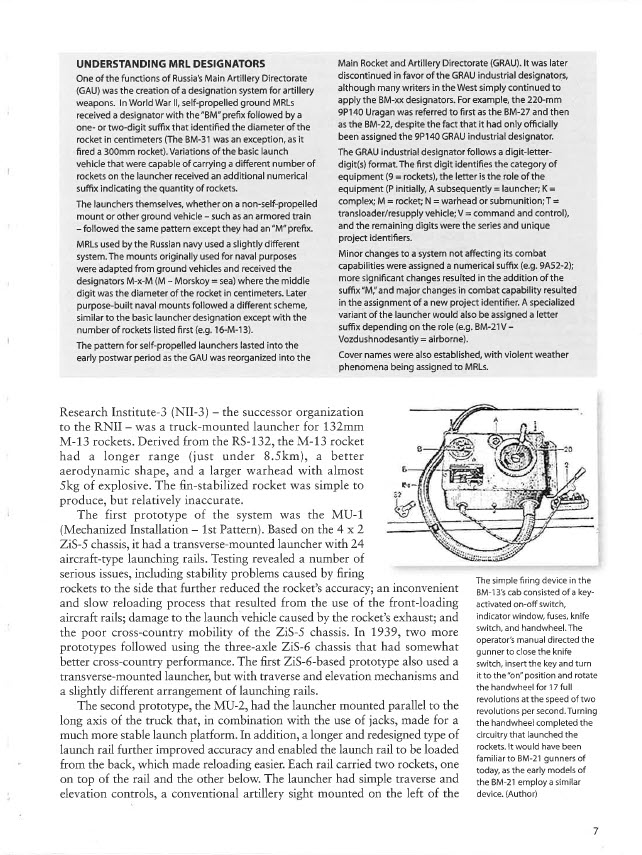
- Understanding MRL Designators [Page 7]
- The World War II MRLS
- BM-13
- BM-8
- BM-13N, BM-13 on STZ-5, and BDM-31-12 [Page 11]
- M-28
- M-30
- The M-28
- BM-31-12
- BM-8-36, BM-8-24, and BK-1125 Armored Gunboat [Page 15]
- Organization
- Production
- Operational Use [Page 20]
- Orsha – BM-13’s Combat Debut
- Battle of Berlin, April 1945
- Cold War and Modern MRLs
- BM-24
- BM-14 and RPU-14
- BMD-20
- BM-25 Korshun (Kite)
- BM-21 Grad (Hail) [Page 28]
- BM-21-1 Grad
- BM-24, BM-14, and BMD-20
- 9P138 Grad-1
- 9P139 Grad-1
- BM-21V Grad-V
- BM-21PD
- 9A51
- 2B26
- 2B17-1
- 2B17M Tornado-G
- TOS-1A, 9P140 Uragan, and BM-21
- 9P140 Uragan (Hurricane) [Page 36]
- TOS-1 Buratino (Pinocchio) / TOS-1A Solntspek (Sun)
- 9A52 Smerch (Whirlwind) [Page 42]
- Associated Equipment
- Select Bibliography
- Index
If you own one the previous releases in the New Vanguard series, you know what you are getting. This book is a great introduction and survey of Russian MLRs. Jamie Prenatt provides an excellent read into this line of weapons and should be of interest to anyone focused on military weapons. If this is your initial entry into this series, you will be pleased. My thanks to Osprey Publishing and IPMS/USA for the chance to review this great book.
Highly recommended!

Reviewer Bio
Frank Landrus
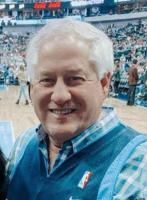
Frank retired from the Ophthalmic industry with over thirty-six years of Research and Development experience. Frank's first model kit was a 1959 Hawk 1/72 US Marines Vought AU-1 Corsair and has been building models for over sixty years. Frank's first encounter with IPMS was attending a North Central Texas ScaleFest show in 1984. Frank soon became more involved in Make-N-Take activities and became the IPMS Western Coordinator for Make-N-Takes [West of the Mississippi River]. Make-N-Takes quickly became a local model contest and airshow staple reaching a high of reaching over 1,300 children before the COVID shutdown. Frank has volunteered to assist in contest judging since 1985 and is currently the Nationals Head Figure Judge until he is dead or they find someone better.
Comments
Add new comment
This site is protected by reCAPTCHA and the Google Privacy Policy and Terms of Service apply.
Similar Reviews